

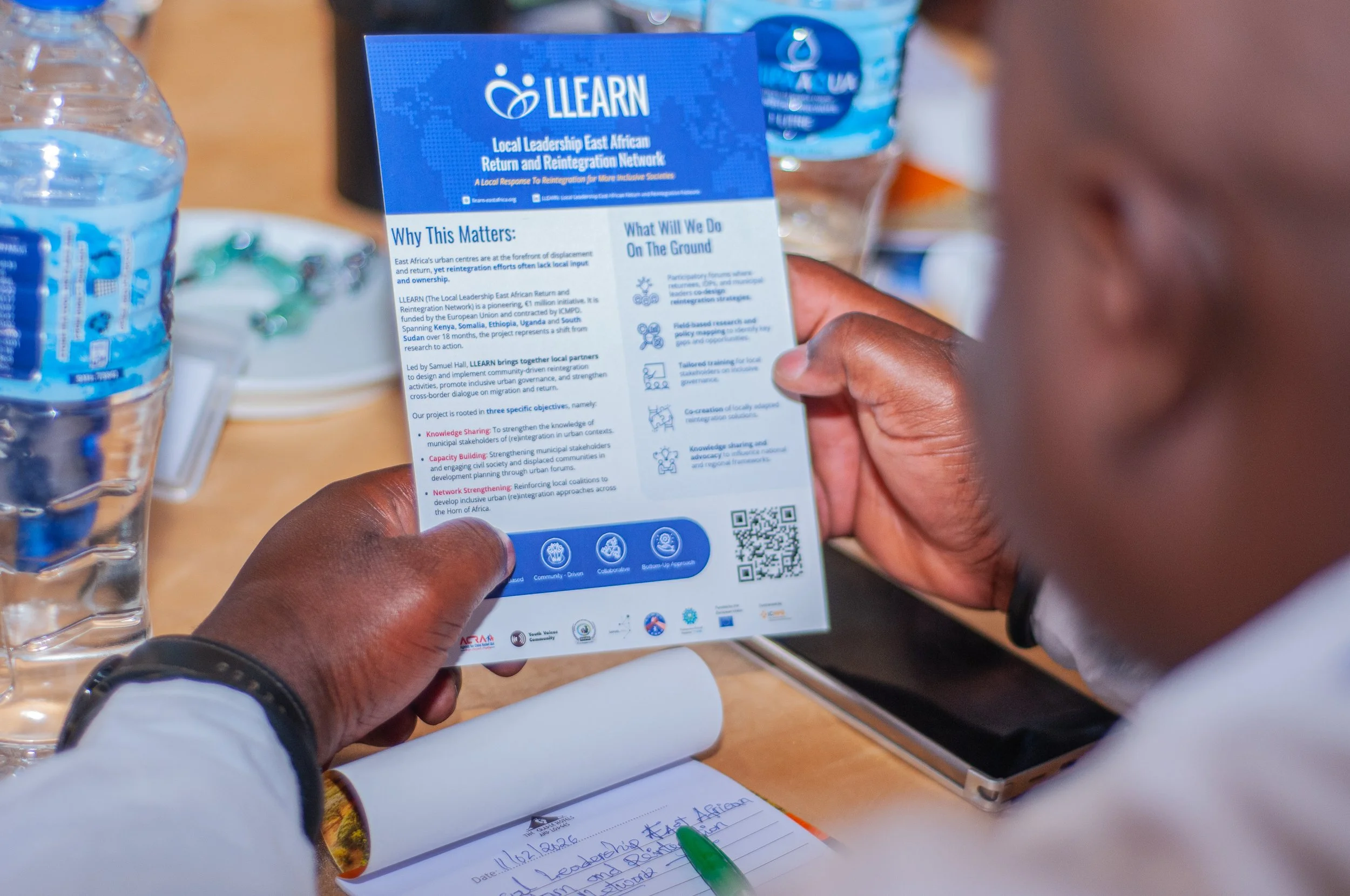
Our participatory forums happening in three rounds in each city, from February to June are local-level gatherings designed for shared analysis, agenda-setting, and validating research with displaced and host communities.
They are bringing together municipal authorities, community leaders, civil society, and returnees to:
Co-design city-level priorities and projects for reintegration.
Strengthen coordination between local governments and communities.
Identify livelihood opportunities across green, blue, and purple economies (environment, coastal, and care sectors).
Build inclusive dialogues on governance, socio-economic resilience, protection, and equality.
Read why participatory planning matters with displaced and host communities here.Scroll through some key insights below.
PF1: Bosaso, Somalia
February 2026
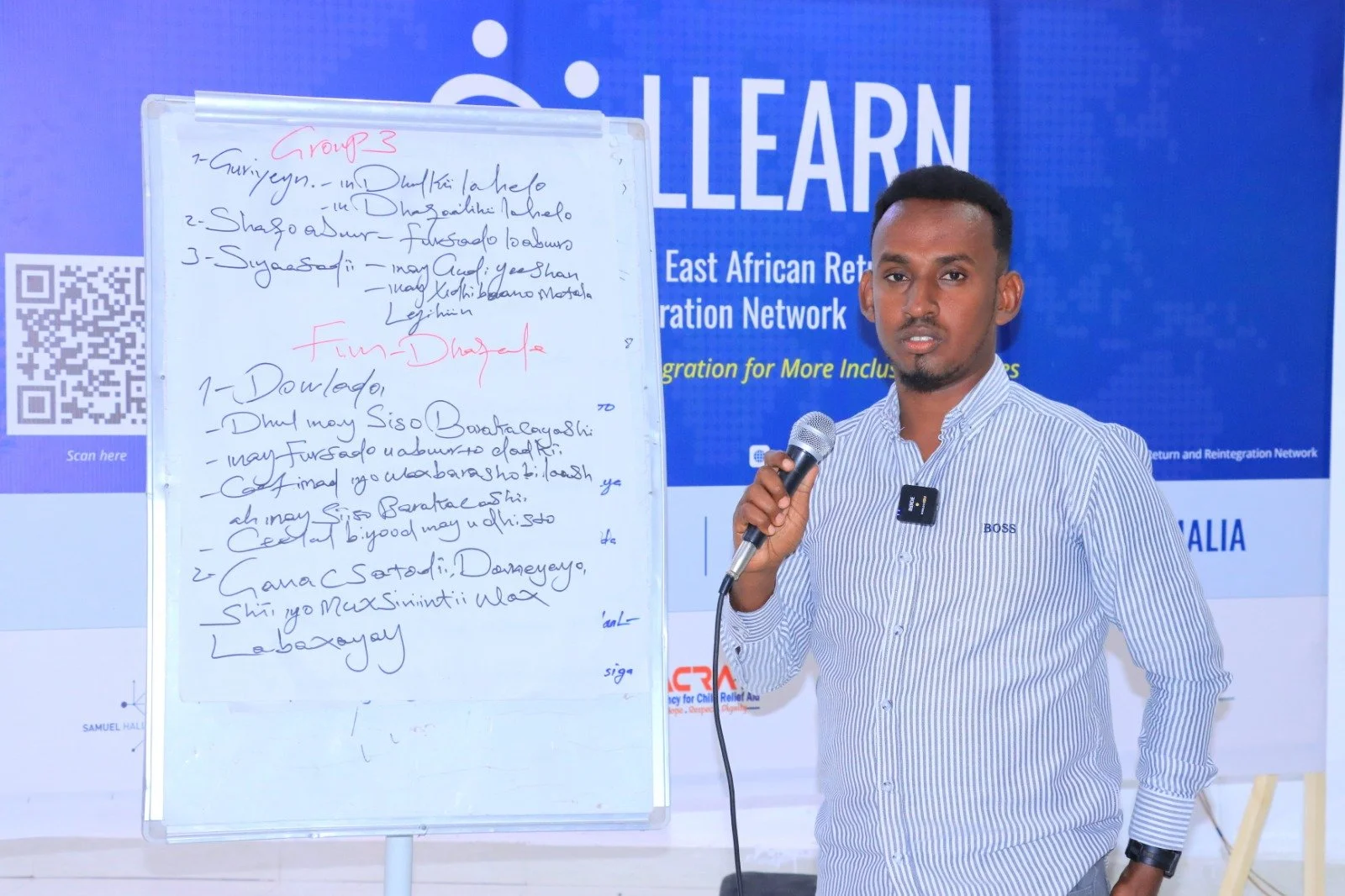
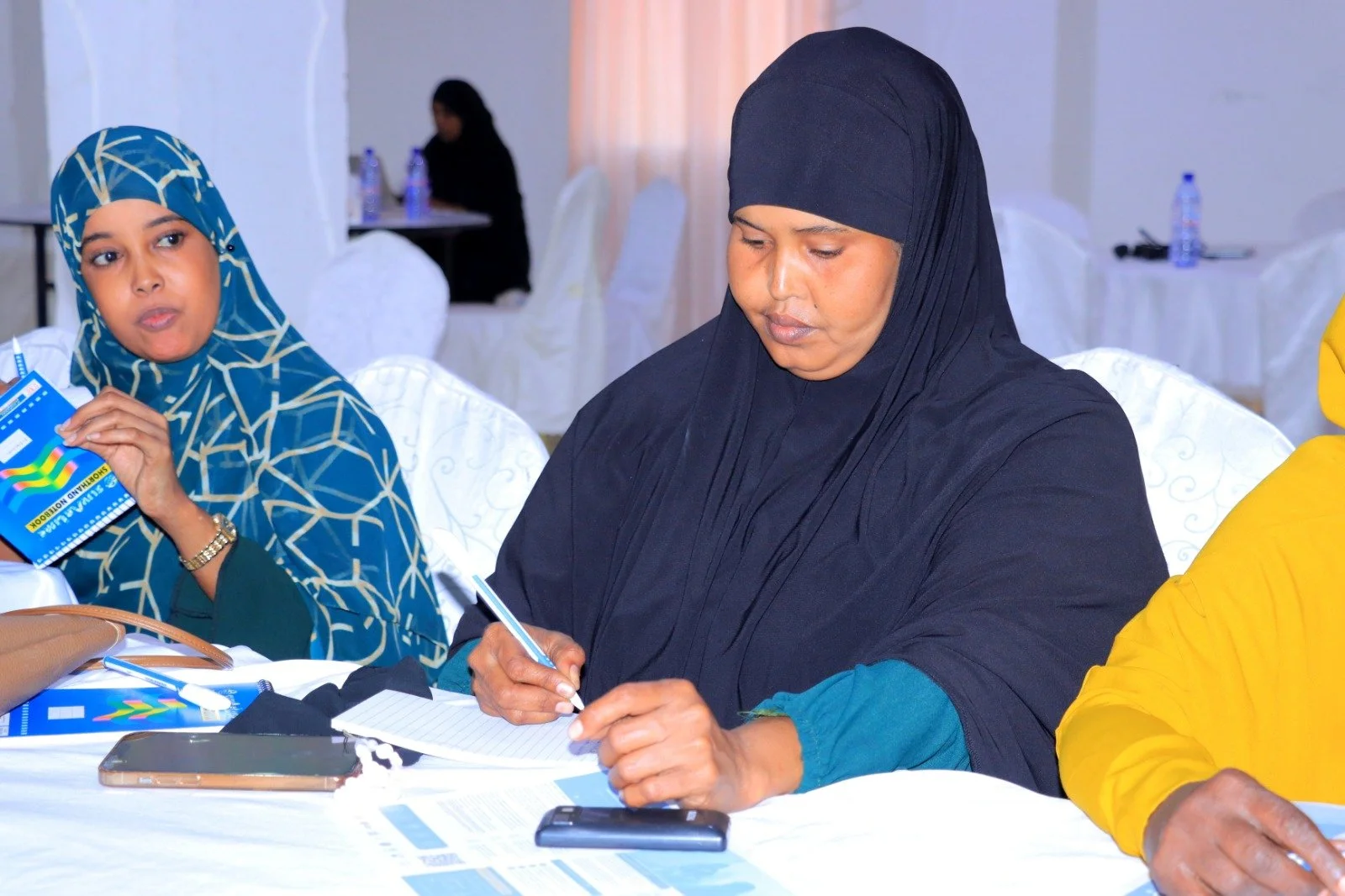
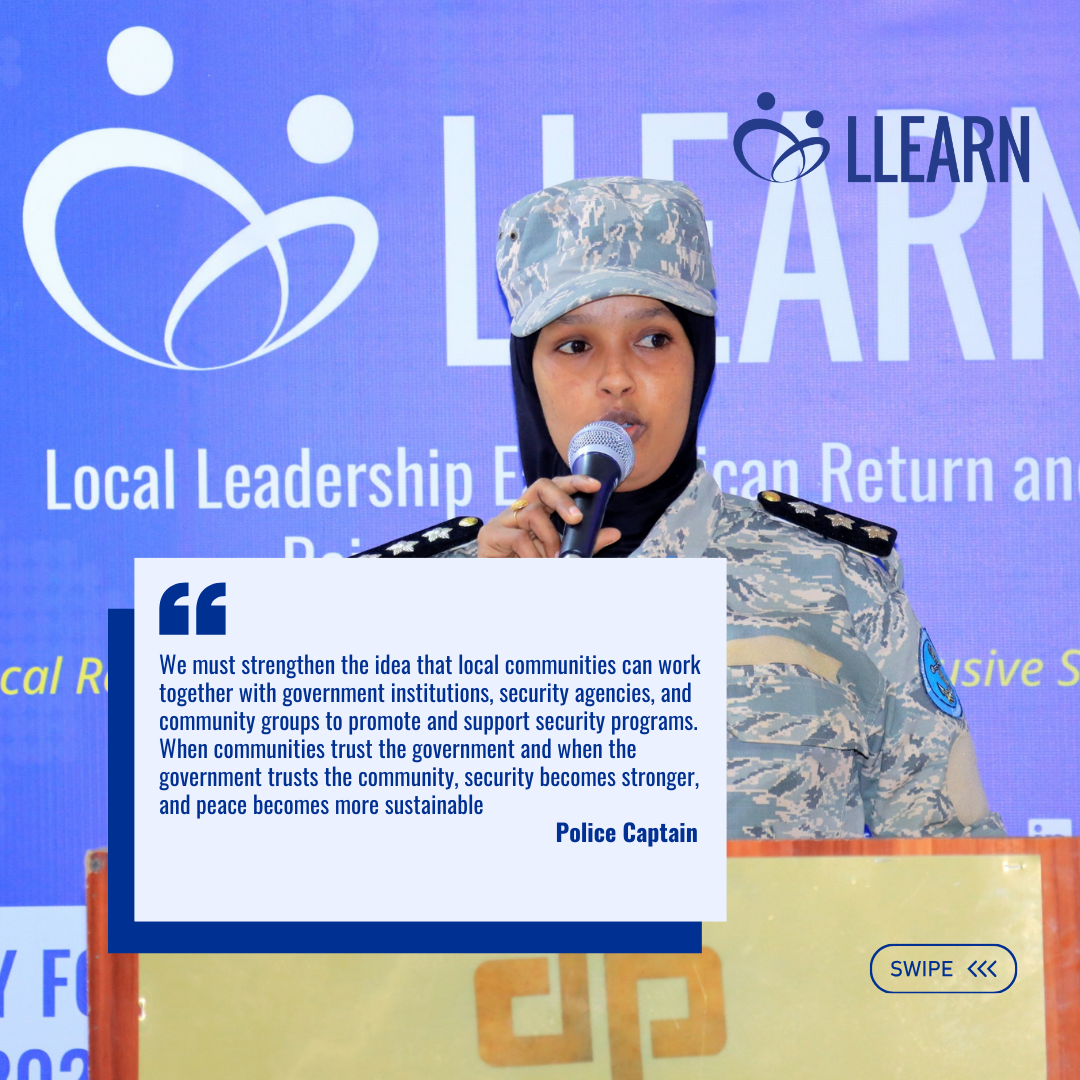
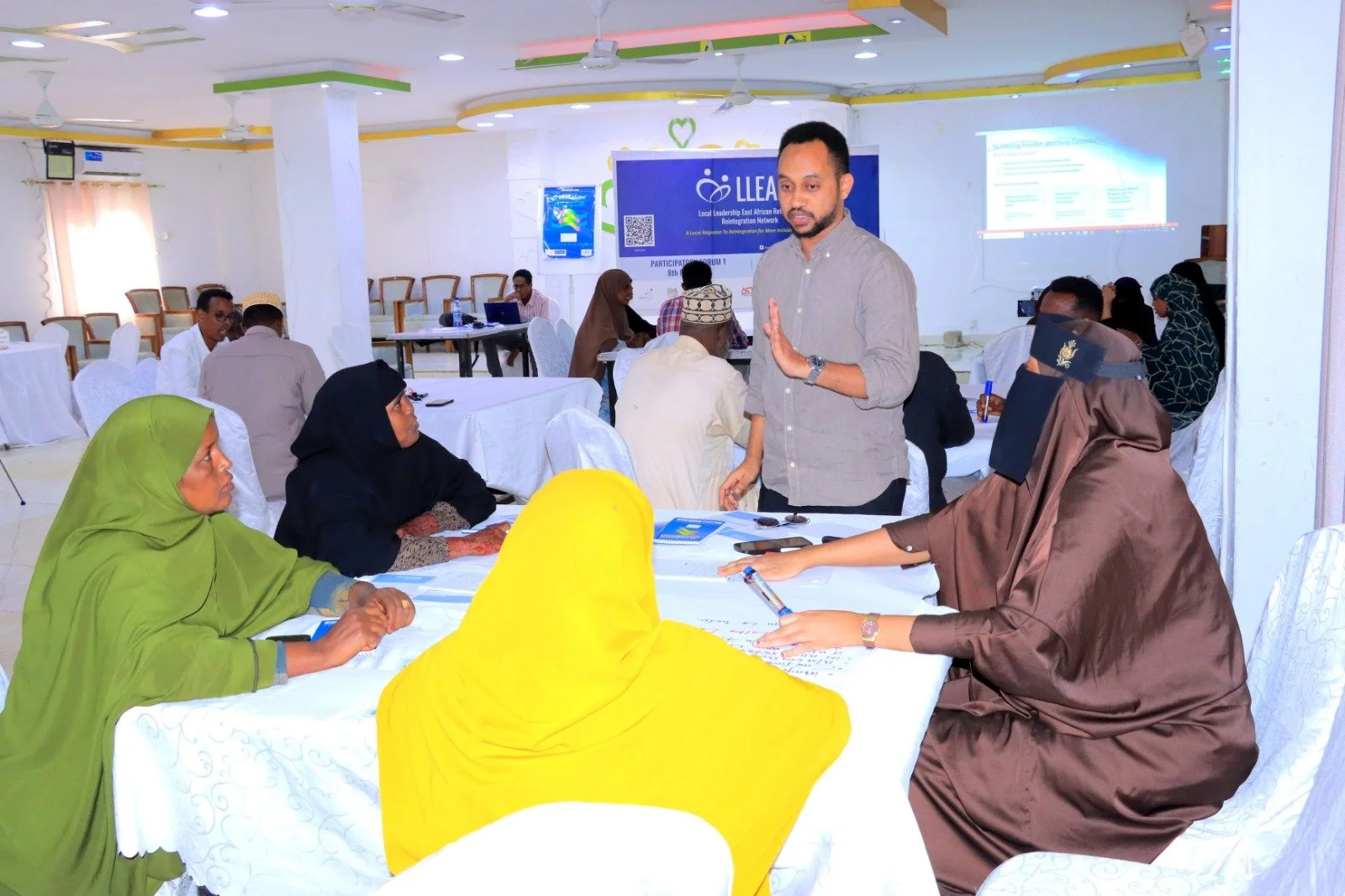
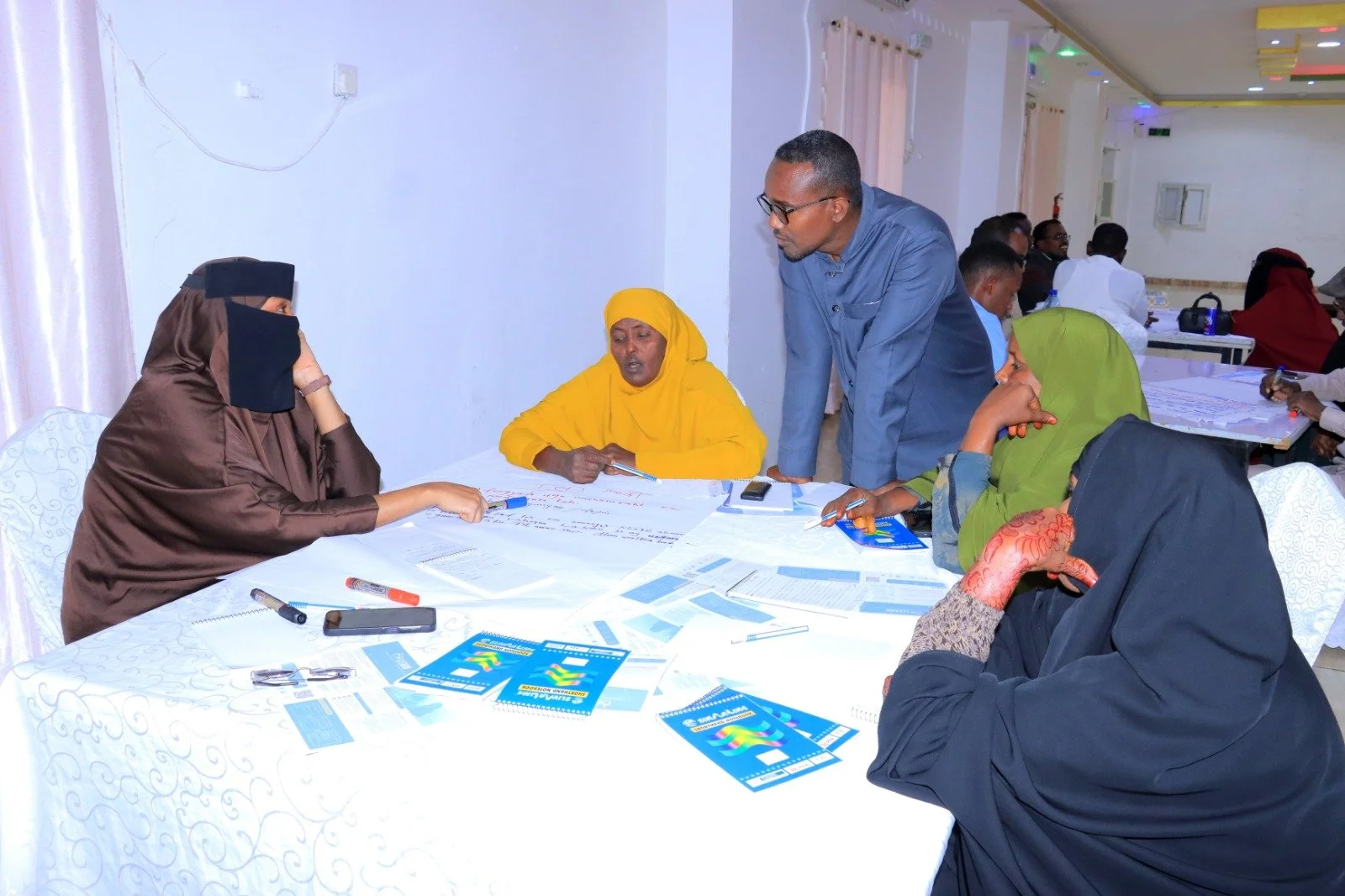
Community participation: In Bossaso, our partnerTadamun Social Society convened more than 50 participants for a participatory forum bringing together local authorities, community police, private sector representatives, UNHCR, and diverse community groups including women, youth, religious leaders, returnees, IDPs, migrants, and minority groups. The forum created space for participants to reflect on research findings related to employment trends, economic participation, and policy implementation.
Participant dialogue: Participants noted that employment patterns are more complex than what data alone suggests. While findings point to low employment among displaced communities, discussions highlighted children’s income-earning roles and declining opportunities across the wider labour market. Shifts in the labour participation of Ethiopian migrants were also discussed, with participants describing changes in sectors, gendered roles, and wage differences. These insights help distinguish between economic (re)integration and work undertaken to support onward migration.
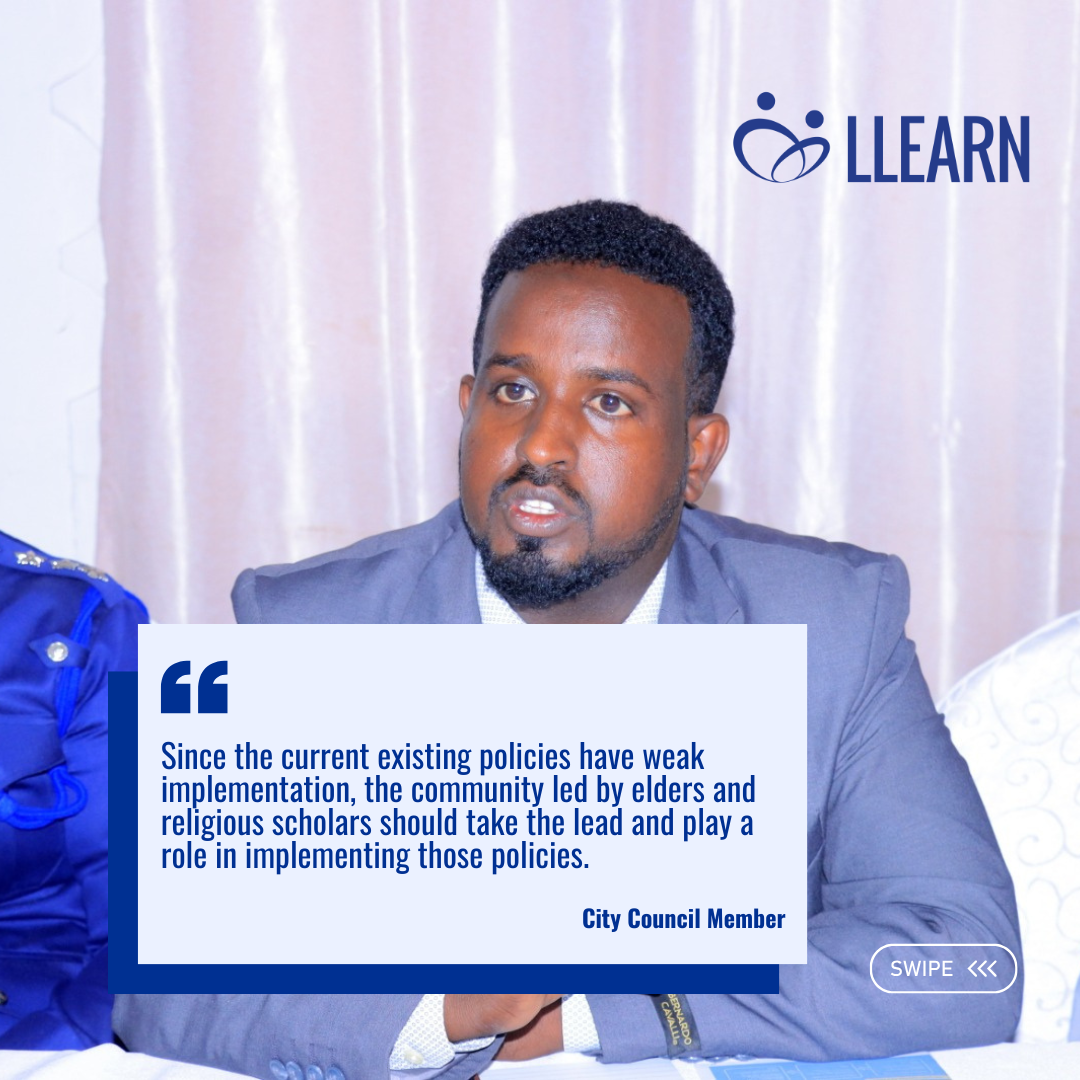
Governance gaps and lessons for future forums: Discussions around policy mapping revealed gaps in implementation. Participants emphasised that informal structures — elders, religious leaders, and community networks — often step in where formal systems fall short. The forum also generated reflections on process, including the need for more time for balanced participation, careful facilitation in large groups, and clearer framing of complex concepts. Several participants suggested extending future forums to two days to allow deeper dialogue.
PF1: Kakuma, Kenya
February 2026
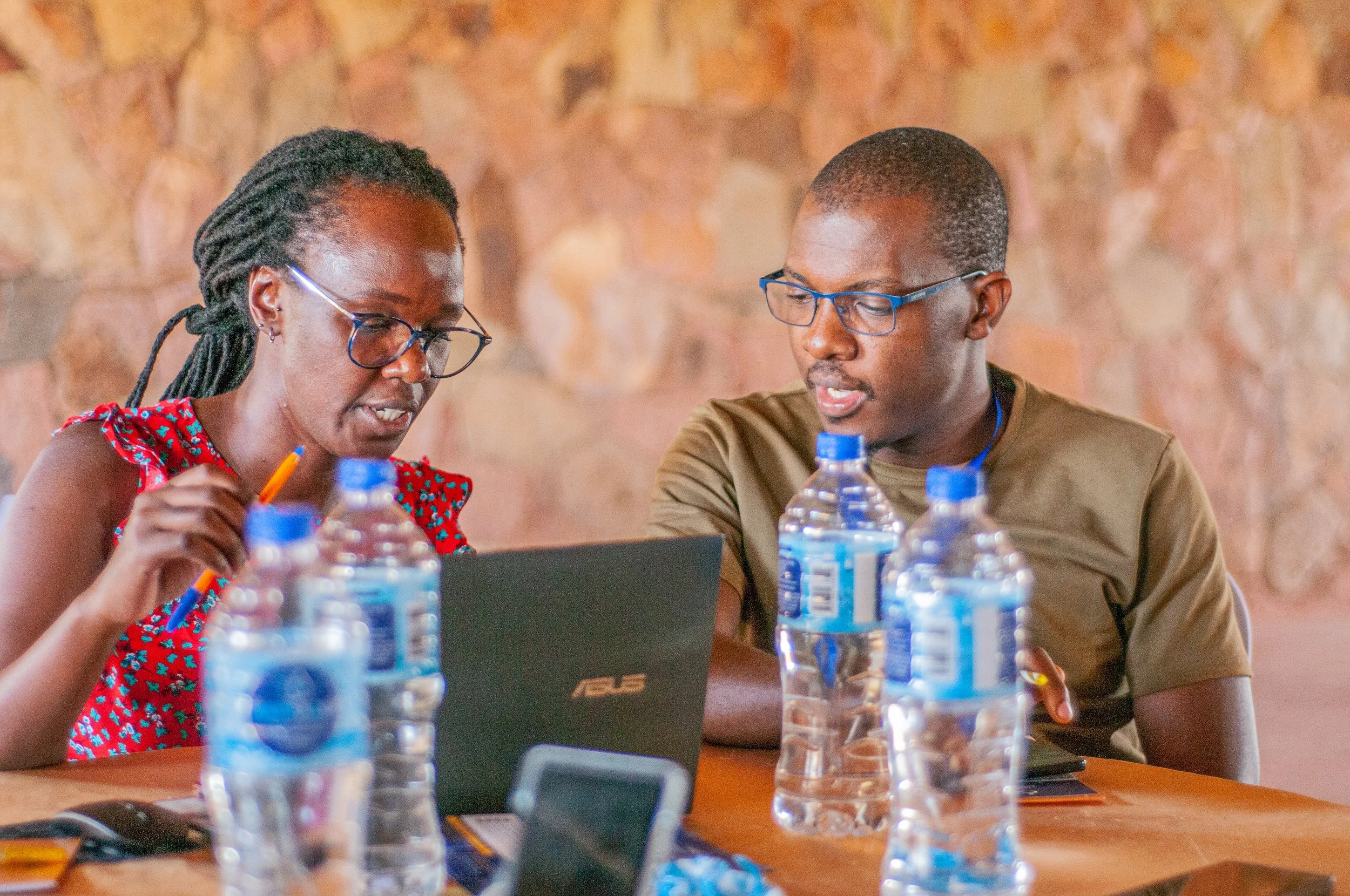
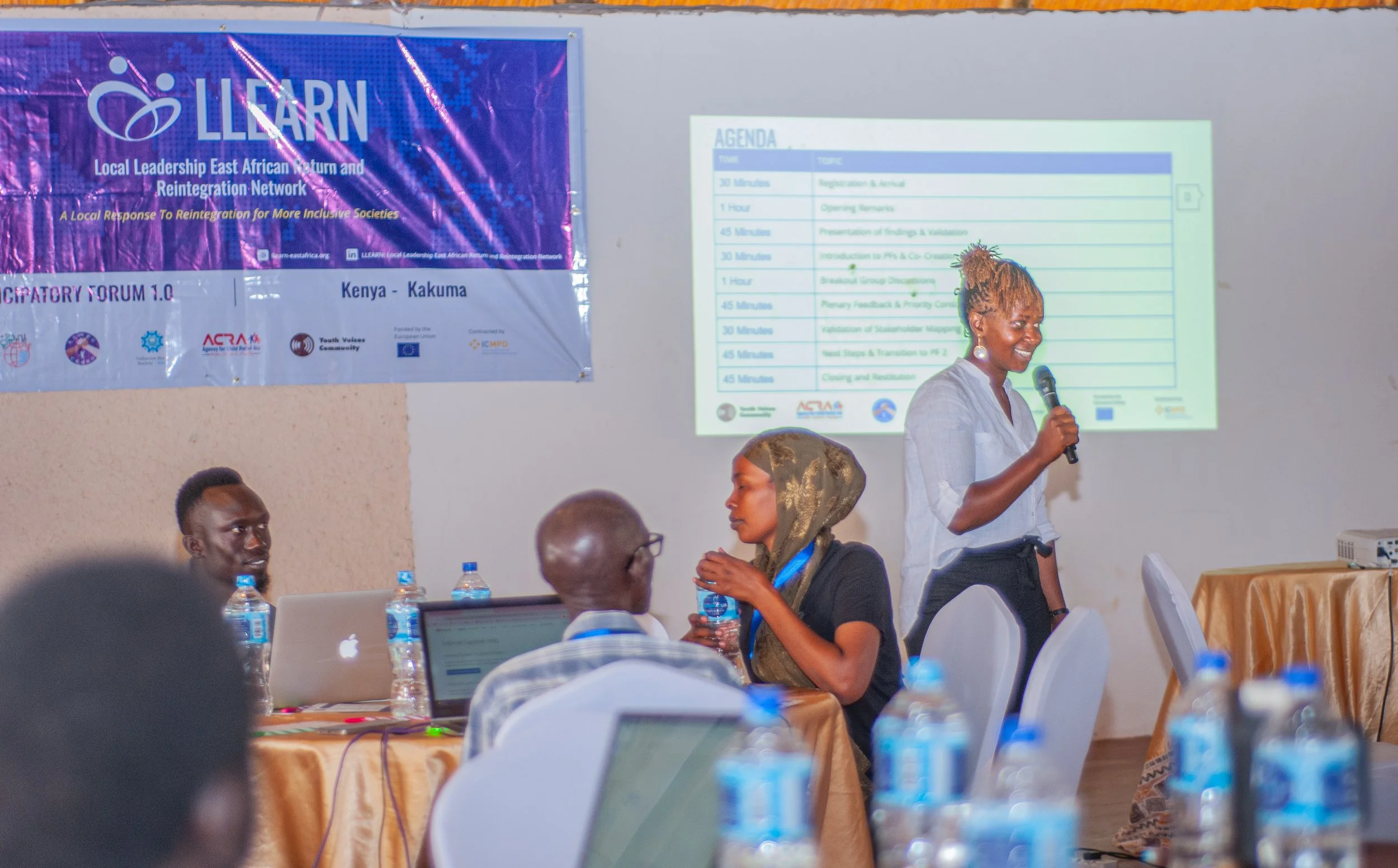
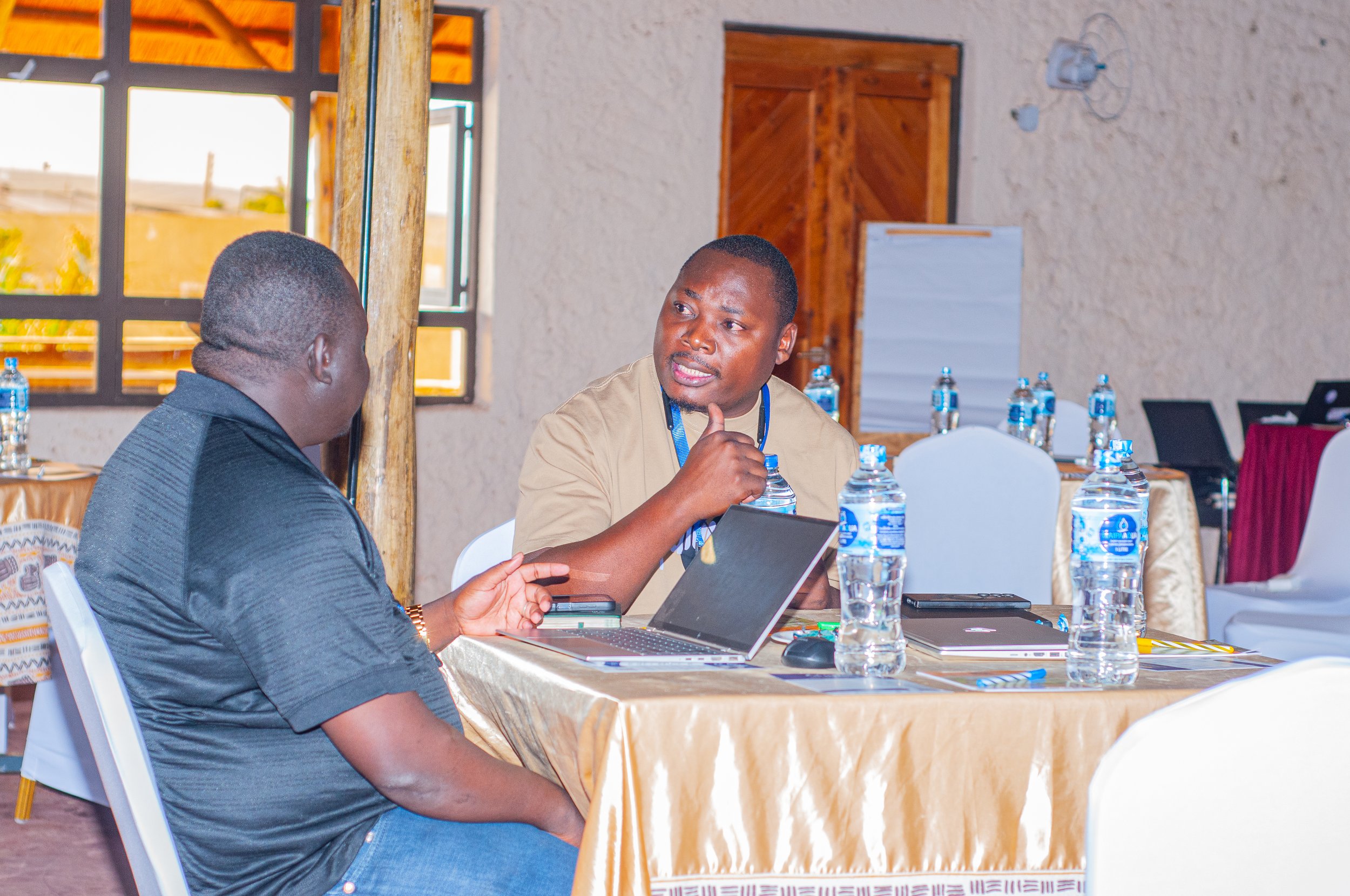
Community participation: As part of the LLEARN project, the first round of Participatory Forums began in Kakuma, northern Kenya. Our partner Youth Voices Community (YVC) convened 40 participants, including refugee and host community leaders, representatives of refugee-led organisations, government actors, and municipal officials. The forum created space for open dialogue on self-reliance, mobility, inclusion, and the everyday realities shaping life in Kakuma.
Participant dialogue: Several important insights emerged from the discussions. Participants emphasised that assessment systems for food assistance often rely on past classifications rather than current needs, leaving some households locked into categories that no longer reflect their situation.
Participants also noted that while policies such as the SHIRIKA Plan and the encampment policy shape refugee lives, many people hear about these policies without clearly understanding what they mean in practice. At the same time, although Kakuma Municipality is formally established, many residents said it has yet to feel present in their daily lives, calling for clearer communication, stronger engagement, and more visible service delivery.
Discussions around self-reliance also revealed mixed experiences. While the policy has opened opportunities for entrepreneurship and mobility, participants raised concerns about market saturation, unequal access to opportunities, and growing economic inequality. As one participant noted, “The strong become stronger, and the weak become weaker.”
Governance gaps and lessons for future forums: One of the most valued elements of the forum was the “Parking Lot” tool, which allowed participants to direct questions to the actors responsible for addressing them. For many, it was the first time long-standing concerns received direct responses in the same room.
PF1: Aweil, South Sudan
February 2026
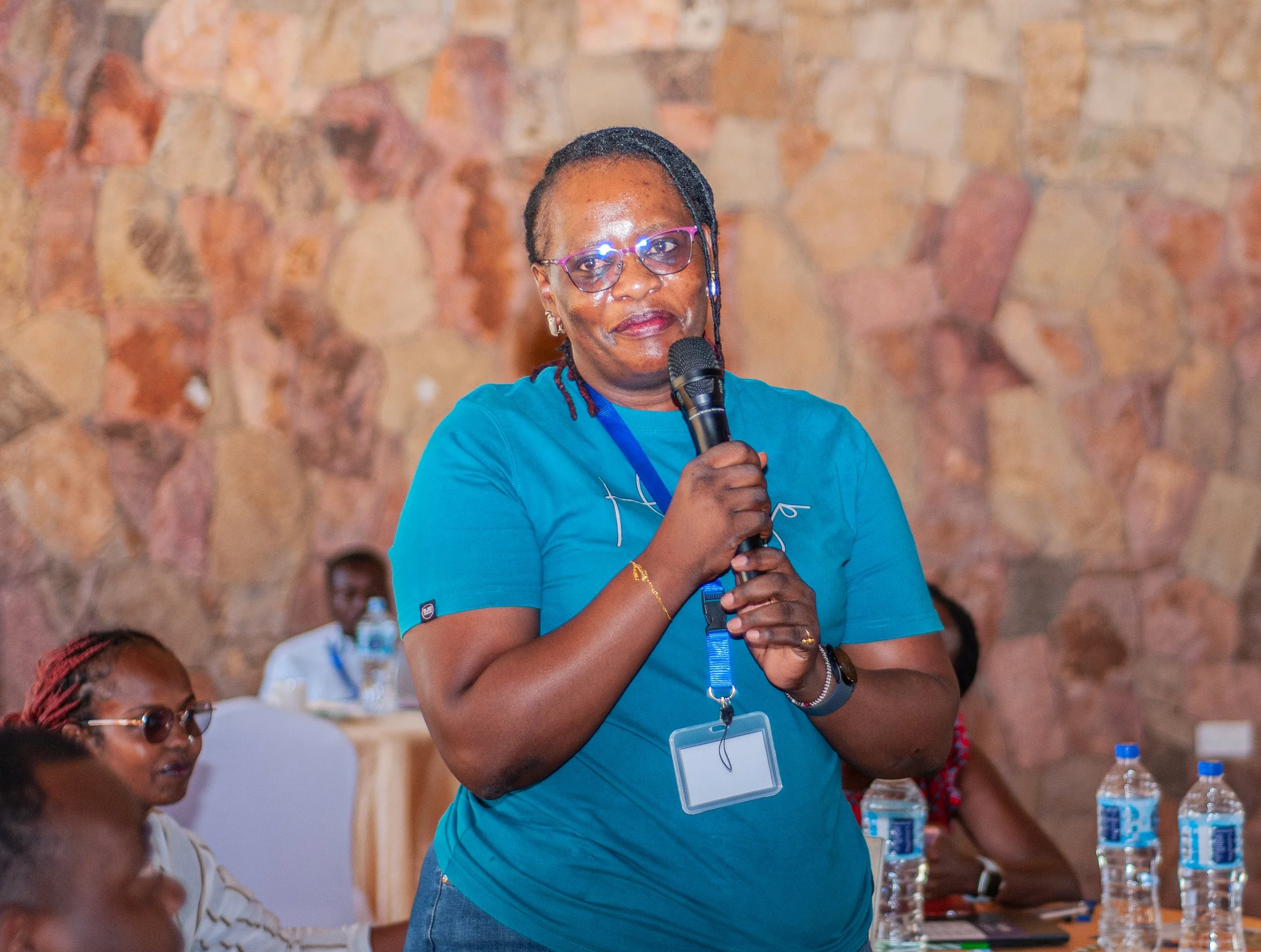
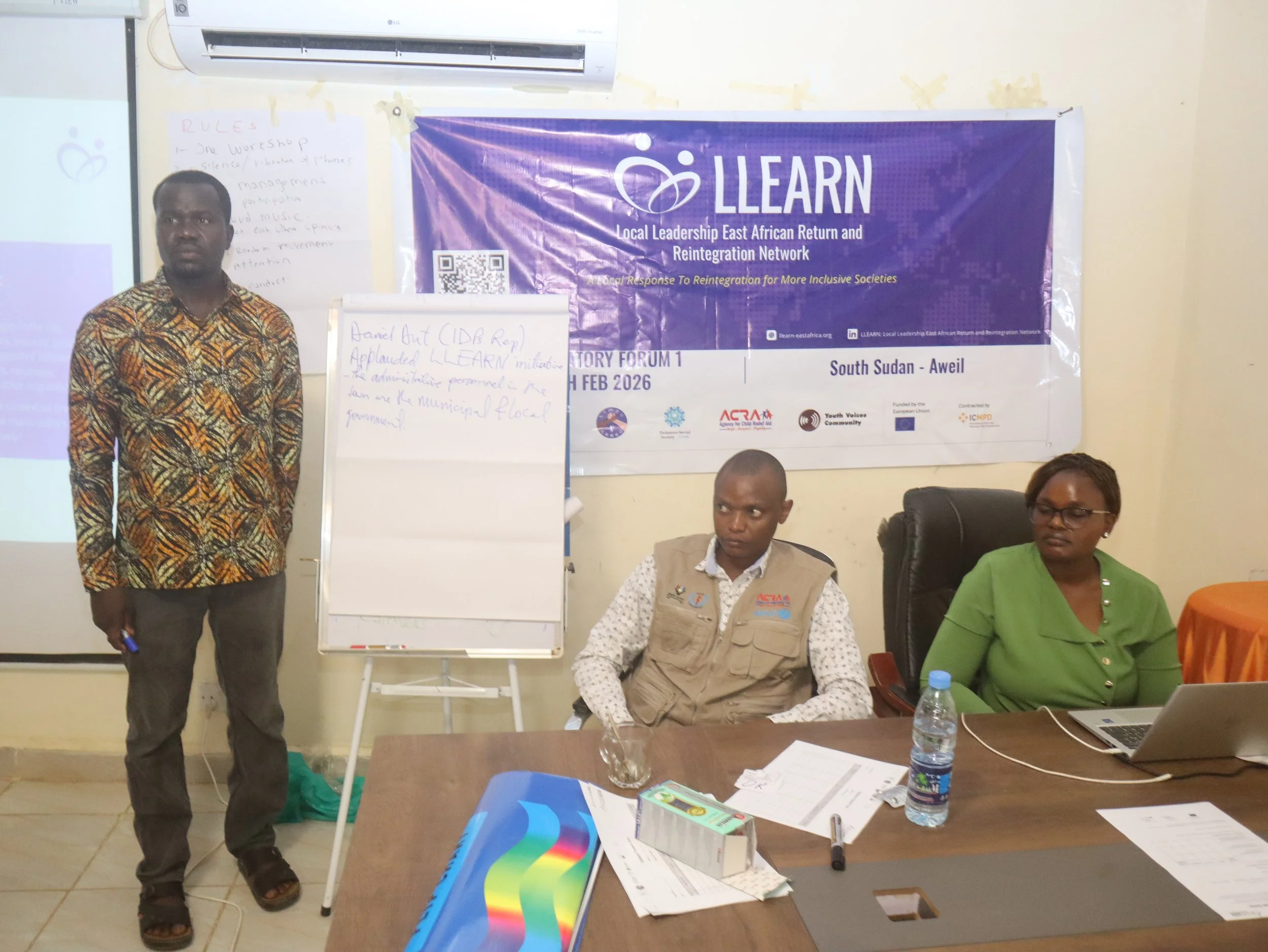
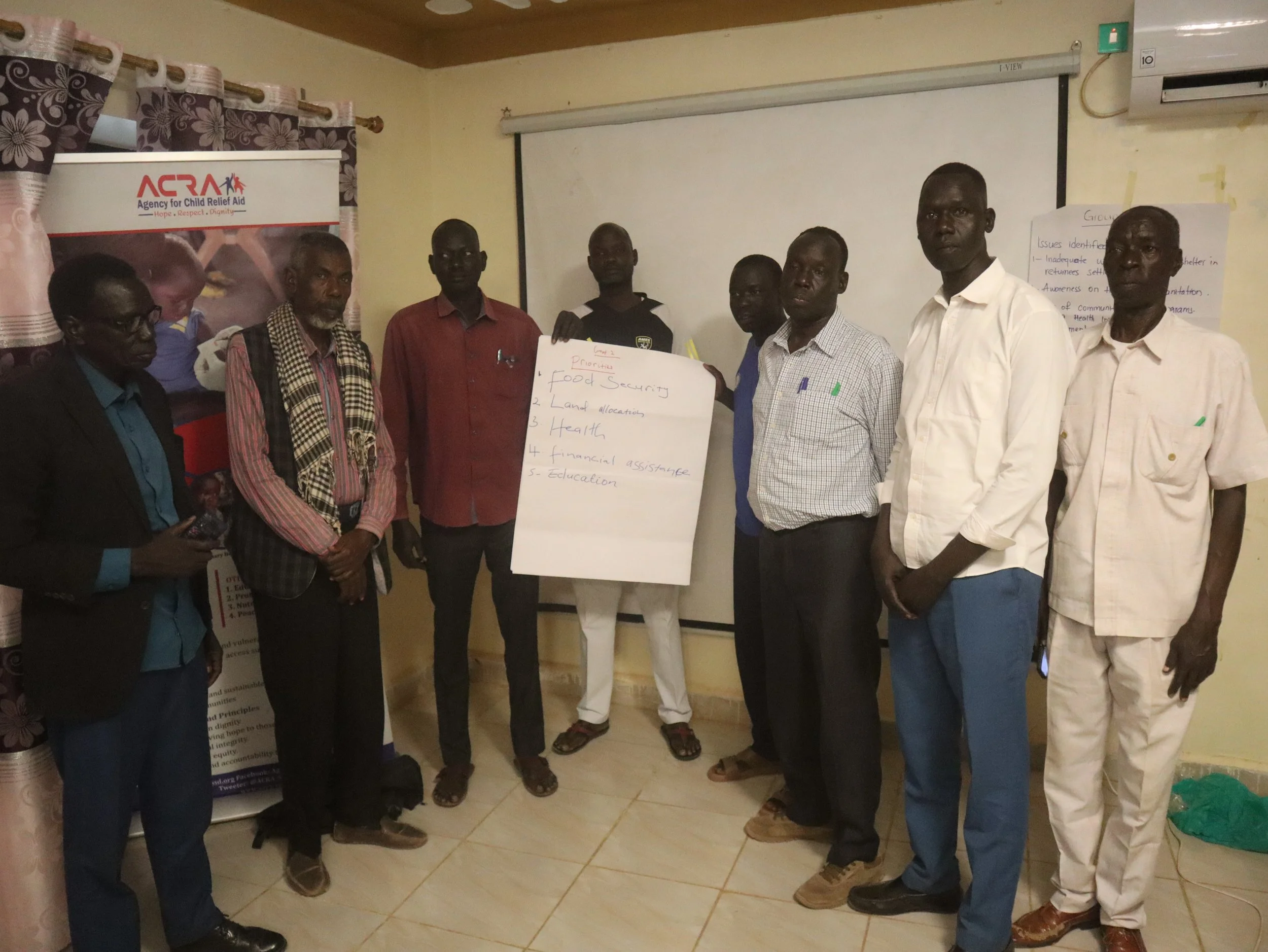
Community participation: In Aweil, Northern Bahr el Ghazal State, our partner ACRA convened around 50 participants representing government institutions, community leadership structures, civil society organisations, humanitarian partners, and private sector actors. Representatives from state ministries, municipal authorities, traditional chiefs, women’s and youth groups, religious institutions, returnee associations, and organisations such as UNHCR joined the dialogue. The forum created a platform to reflect on the reintegration experiences of returnees, refugees, and internally displaced people (IDPs) living in Aweil’s growing urban context. Participants discussed findings from earlier assessments and worked together to identify priority challenges and practical entry points for action.
Participant dialogue: Participants noted that rapid urban growth in Aweil has created both opportunities and pressures. While the expansion of the town has enabled small-scale livelihood activities, it has also strained already limited services such as water, healthcare, education, and access to land for settlement. Economic reintegration emerged as a major concern. Limited access to start-up capital, unemployment, and lack of formal land documentation were identified as barriers preventing returnees and host communities from establishing stable livelihoods. At the same time, participants highlighted significant gaps in essential services, with health facilities described as understaffed and education infrastructure unable to meet the needs of growing populations.
Discussions also highlighted psychosocial challenges linked to conflict, displacement, and loss of livelihoods, which continue to affect community wellbeing and social cohesion. Informal structures such as traditional leaders and faith-based networks were recognised as important spaces for dialogue and community support, particularly in the absence of some previously established coordination mechanisms.
Governance gaps and entry points: Participants also reviewed national and local policy frameworks relevant to displacement and reintegration, including the Refugee Act (2012) and the Durable Solutions Strategy (2024). While these policies provide important guidance, participants noted that implementation remains limited at the local level due to capacity and resource constraints. Through working groups and plenary discussions, participants collectively prioritised key areas for action: land allocation and documentation, water and sanitation services, healthcare access, education infrastructure, food security, road accessibility, and livelihood support.
The forum concluded with agreement that addressing these priorities will require coordinated engagement between municipal authorities, state institutions, community leaders, and humanitarian partners. These discussions will inform the next stage of dialogue and planning in Participatory Forum Two (PF2).