
What Durable Solutions Mean for Displaced Families in Dessie
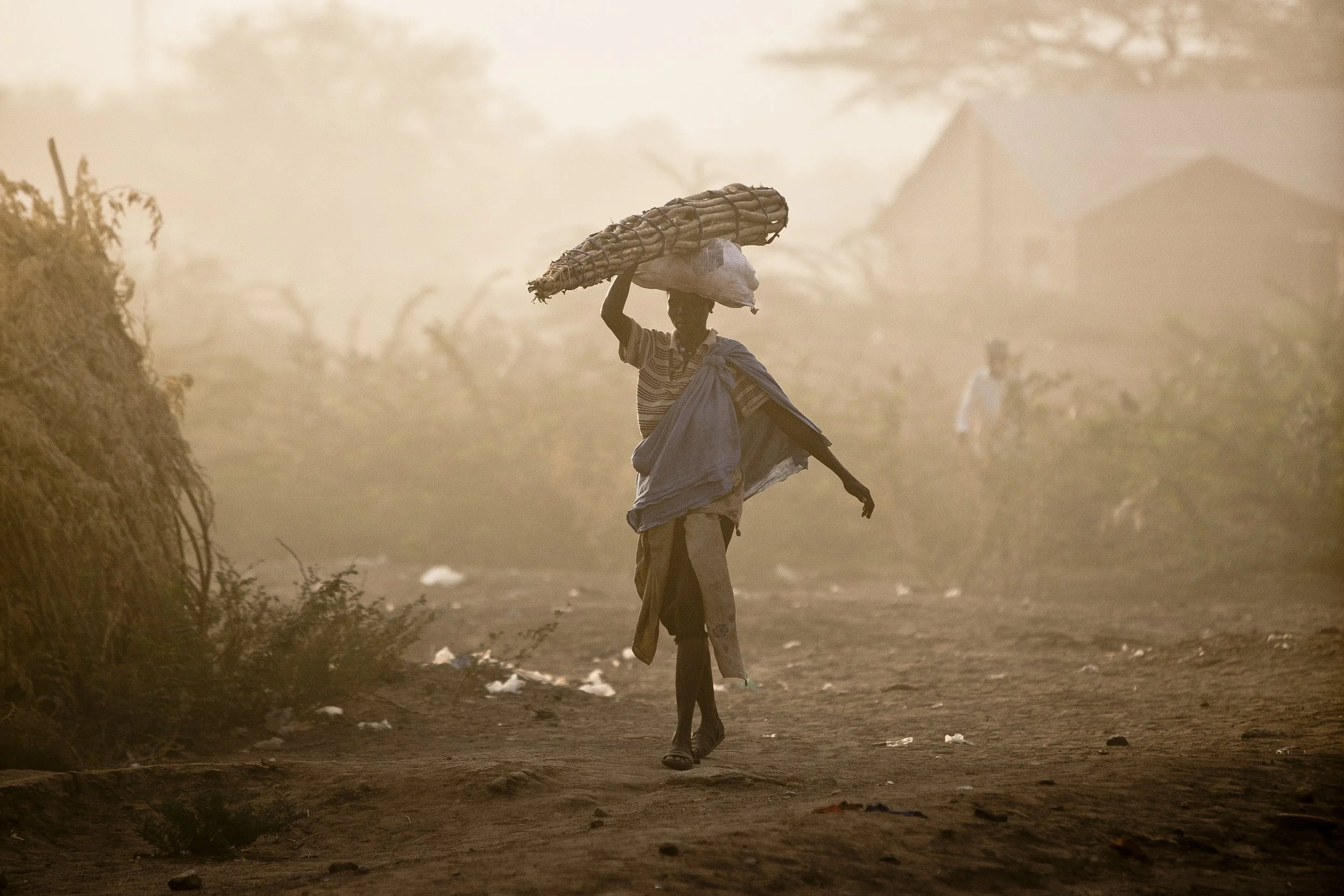
Image for representational purposes only | Photographed by Sean Power
In northern Ethiopia, the town of Dessie became home to some of the largest groups of conflict-displaced families after the 2021 fighting pushed thousands into the city. Around 5,000 people were initially housed in makeshift collective centres — mostly schools — while close to 100,000 stayed with relatives or host communities. Since then, various organisations have stepped in with support, and many families have been relocated from schools into more organised shelters; however, services remain overstretched, access to housing and documentation is still uneven, and many IDPs continue to fear being pressured to return before it is safe.
At the same time, returnees, drought-affected migrants, and long-term residents now share markets, clinics, schools, and neighbourhoods, making Dessie one of the key testing grounds for Ethiopia’s durable solutions agenda. This national effort focuses on three things: resolving the conflicts that caused displacement, helping people rebuild their lives through voluntary return, local integration, or relocation to safer areas, and improving coordination and data so that support reaches communities more effectively.
Settling in Dessie: Safety, School, and a Supportive Community
Among those who arrived during the height of the conflict is Mohammad, who fled after attacks that killed members of his family and forced him to leave behind the cattle and farmland he grew up with. After the conflict along the Oromia–Amhara border escalated around 2021, Mohammad’s village in Horogudru Jarti became one of the many rural areas caught in waves of violence, persecution, and displacement. His family relied on cattle, honey, and small-scale farming before the fighting reached his community, killing uncles and cousins and forcing families to flee in the night. “We travelled mostly at night, crossing the Abay desert, suffering from hunger and thirst,” he said.
Like more than 50 others who fled with him, he first sought refuge in Amoru for a year, until insecurity pushed them onward again. Eventually, he reached Dessie, exhausted, grieving, and unsure of what would come next.
For Mohammad, the first months in Dessie were defined by the warmth of the welcome he and others received. Neighbours and community members helped them settle and access basic services. This sense of initial support mirrors what many displaced families in Dessie describe: strong access to education and health care upon arrival, with 87% reporting that they can reach health services when needed. Moreover, our research shows 75% of IDP children enrolled in school. Mohammad echoed this, naming “access to education for my children and access to health care” among the most positive experiences since he arrived.
Yet, only 22% of IDPs in Dessie feel “at home,” and for Mohammad too, belonging remains fragile. He knows that acceptance can shift, especially when authorities pressure families to return to unsafe areas. A year ago, when the government attempted to send them back, he resisted: “The situation back home had not changed.” It was a moment that brought fear rather than cohesion, reflecting a broader pattern in Dessie where IDPs face psychosocial strain, high levels of stress (90%), and ongoing anxiety about forced returns.
Economic Strain and the Support That Keeps People Afloat
For Mohammad, rebuilding a livelihood has been extremely challenging. “I am doing nothing. We are just using what we have gotten from the government or non-government organisations,” he says. In the data collected by LLEARN in Dessie, only 51% of IDPs are able to work and most rely on casual labour or aid, he faces the double barrier of no start-up capital and no access to land. .
Organisations such as IOM and CIFA, along with occasional help from neighbours, are his main sources of support: food, cash, and essential supplies, mirroring what many IDPs describe: solidarity from local residents combined with aid actors filling the largest gaps. Yet this assistance has not translated into confidence building. “We do not feel independent or have self-esteem. We are all thinking about our future and what it holds for us.” IDPs report high trust in NGOs but very limited pathways to economic inclusion, leaving families dependent on aid while wanting the chance to sustain themselves.
‘I want to participate in events involving us’
Although Mohammad has not yet been part of formal consultations or city planning processes, he does take part in the small meetings held among displaced families — spaces where people “talk about our situation” and raise concerns together. In a context like Dessie, where only 14% of displaced residents participate regularly in local decision-making, even these informal gatherings matter: they offer a starting point for engagement when more structured channels remain limited. Mohammad would like these opportunities to grow.
Tthe few interactions he has had — such as last year’s meeting where displaced people asked the government about their future — showed him how important it is to have a voice. His hopes remain tied to stability: a place to work, start-up support, and a future where his family can live without fear of being sent back to unsafe areas.
“Our hope is here,” he said, believing that if the government and organisations can help displaced families become self-reliant, they can rebuild their lives in Dessie with dignity and certainty.
His recommendations resonate with the priorities raised in the LLEARN validation workshops with IDPS, returnees, host communities and government stakeholders .
Displaced households are urgently seeking safe and inclusive livelihood opportunities beyond the limited casual labour available in and around the camps.
Families want housing options outside overcrowded collective centres so they can live with dignity and some sense of permanence.
Participants stressed the need for accessible psychosocial support, describing it as essential but unavailable.
Above all, people want clarity on durable solutions, whether return, local integration, or another pathway, so that the uncertainty defining their lives can finally begin to shift.
Making Durable Solutions A Reality
Dessie’s experience shows both the need and the potential: displaced families like Mohammad’s are ready to rebuild, contribute, and plan for a future they can trust.
By convening Participatory Forums at the city level, LLEARN supports Dessie to coordinate humanitarian and government actors, align services with community needs, and openly discuss the safety conditions for return or integration. These forums will strengthen the local systems that must carry the durable solutions agenda forward, ensuring decisions are transparent and grounded in what displaced families say they need.