
“If I had a job, I would do my best”: Belay’s Life After Returning to Dessie
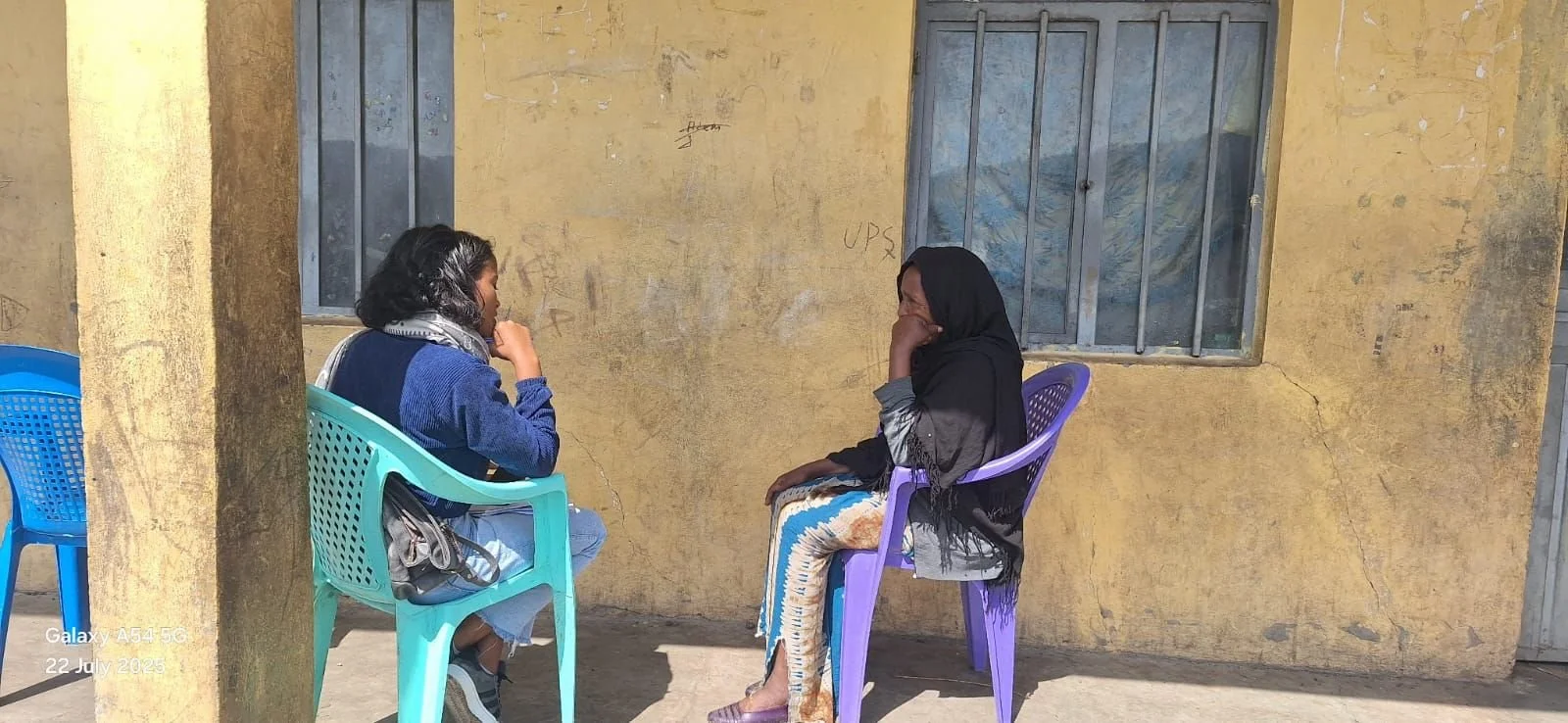
Image for representational purposes only
Belay returned to Ethiopia in 2018 after surviving a traumatic experience while working abroad as a domestic worker in Saudi Arabia. The violence she endured left her with lasting injuries. Today, she lives with swelling in her back and scars across her body, conditions that make physical work difficult.
“Previously, even when I was injured, I tried to run a small business. I baked injera and sold other things. But now I cannot do anything, ” she said.
After returning, she moved to Dessie because living costs were affordable. Gradually, she began taking on small jobs such as washing clothes, baking injera, and doing other household work to support herself and her children. “When you live in the city, there are opportunities for small income-generating activities if you are strong. People liked me because I am sociable,” she explained.
Still, life after return has been far from easy. “My dream was to build a home and buy things for my children. My family also had high expectations. But things went wrong, and I lost my health and became disabled,” she said.
Despite these setbacks, Belay has tried to continue moving forward. She returned to school to complete her secondary education and later joined vocational training programmes. One programme trained her in textile and garment production, while another focused on food preparation.
Some organisations promised further support, including providing a sewing machine so she could start her own work. But that support has not yet materialised. “Some people told me I would receive a sewing machine. But I still have not received one”, she said
Recently, local organisers have discussed opening a small café where she and others could work together. Materials have already been purchased and she hopes the opportunity will come soon. Support from her community has helped her endure difficult moments. Neighbours provided food or clothing when she struggled. The local government allocated her a plot of land through the kebele administration so she could build a home. “That support became the base of my strength,” she said.
Yet even that stability has felt fragile. Eight months ago, several people tried to force her off the land that had been given to her. “They had money and power. They tried to make me leave the house. That made me feel weak—as a woman and as a person with a disability,” she said.
Belay also feels that some support systems have not reached those who need them most. For example, she hoped to be included in programmes repairing the homes of elderly or vulnerable residents. Instead, she built her house by asking for help from individuals and religious institutions.
Her daughters’ education is another constant concern. One private school allowed one of them to study without payment for several months, but the school now requires fees she cannot afford.
“If I got sustainable support, I could support myself,” she added She is at times invited to meetings as a returnee and a person living with disability. But she feels that decisions about support programmes are not always implemented fairly. “Sometimes they ask us our views,” she said. “But sometimes the benefits are taken in our name.”
Belay’s hopes remain centred on her children. She wants them to grow up with opportunities she never had and to avoid the risks that pushed her toward migration.
“If I had a job,” she said, “I would do my best.”