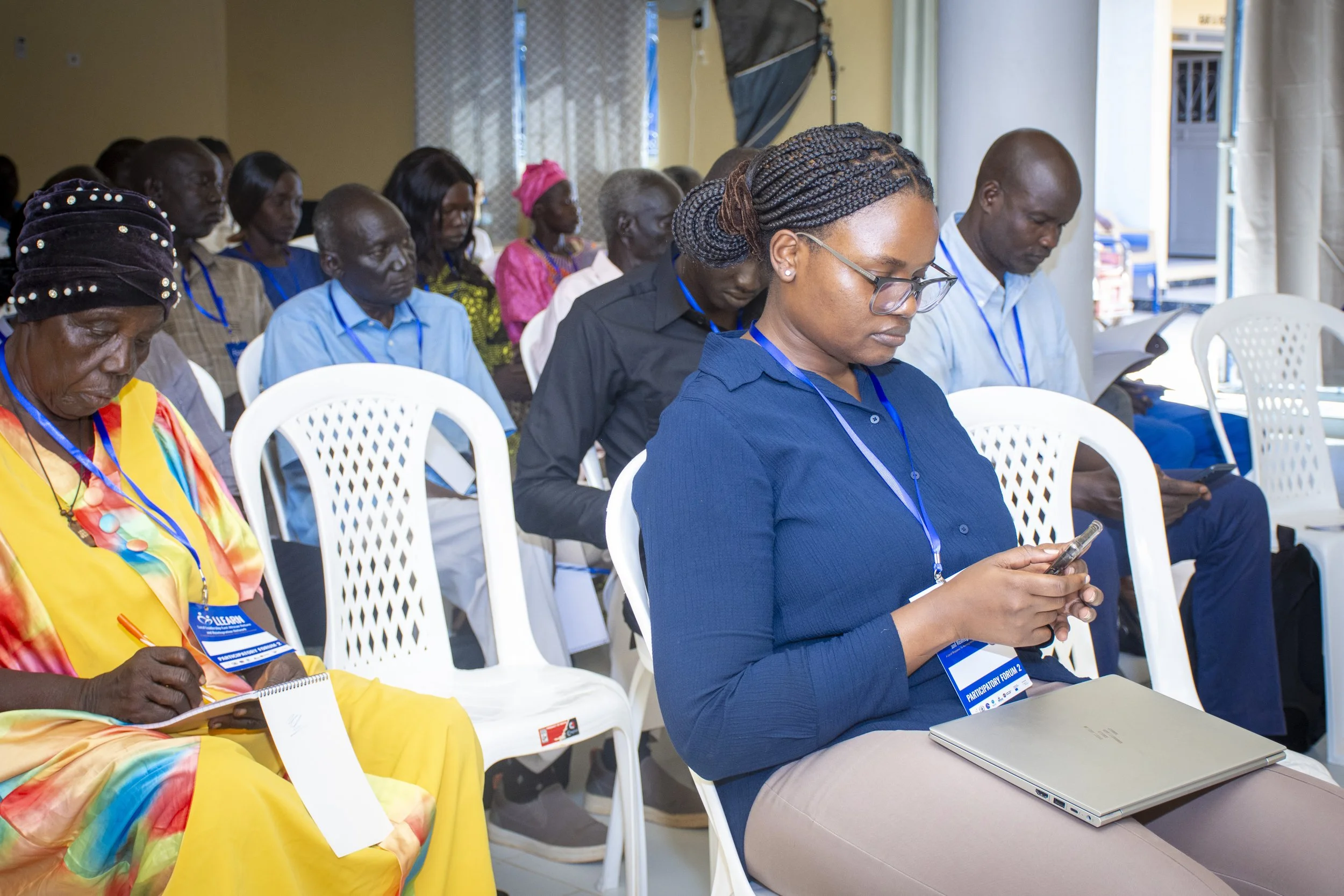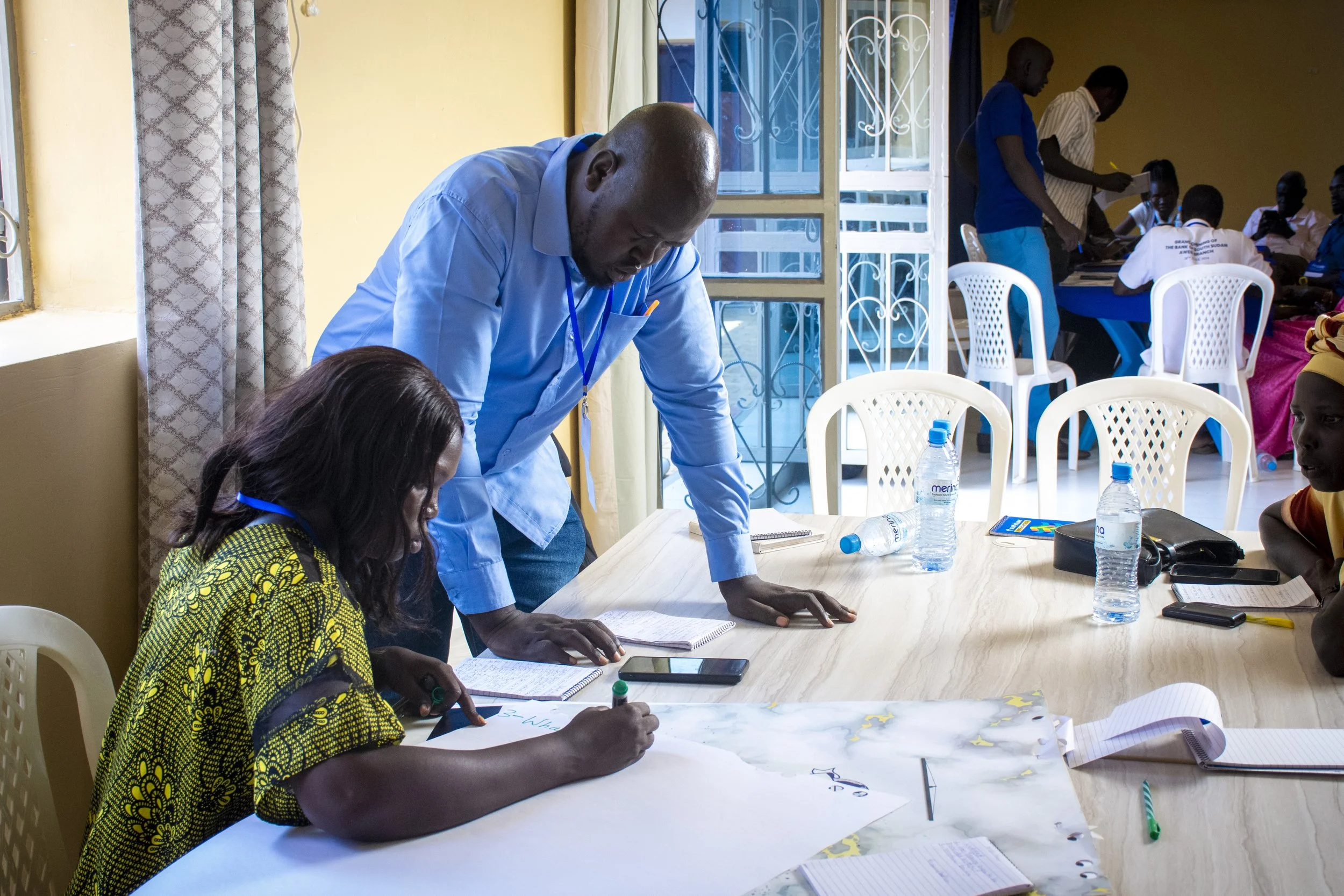

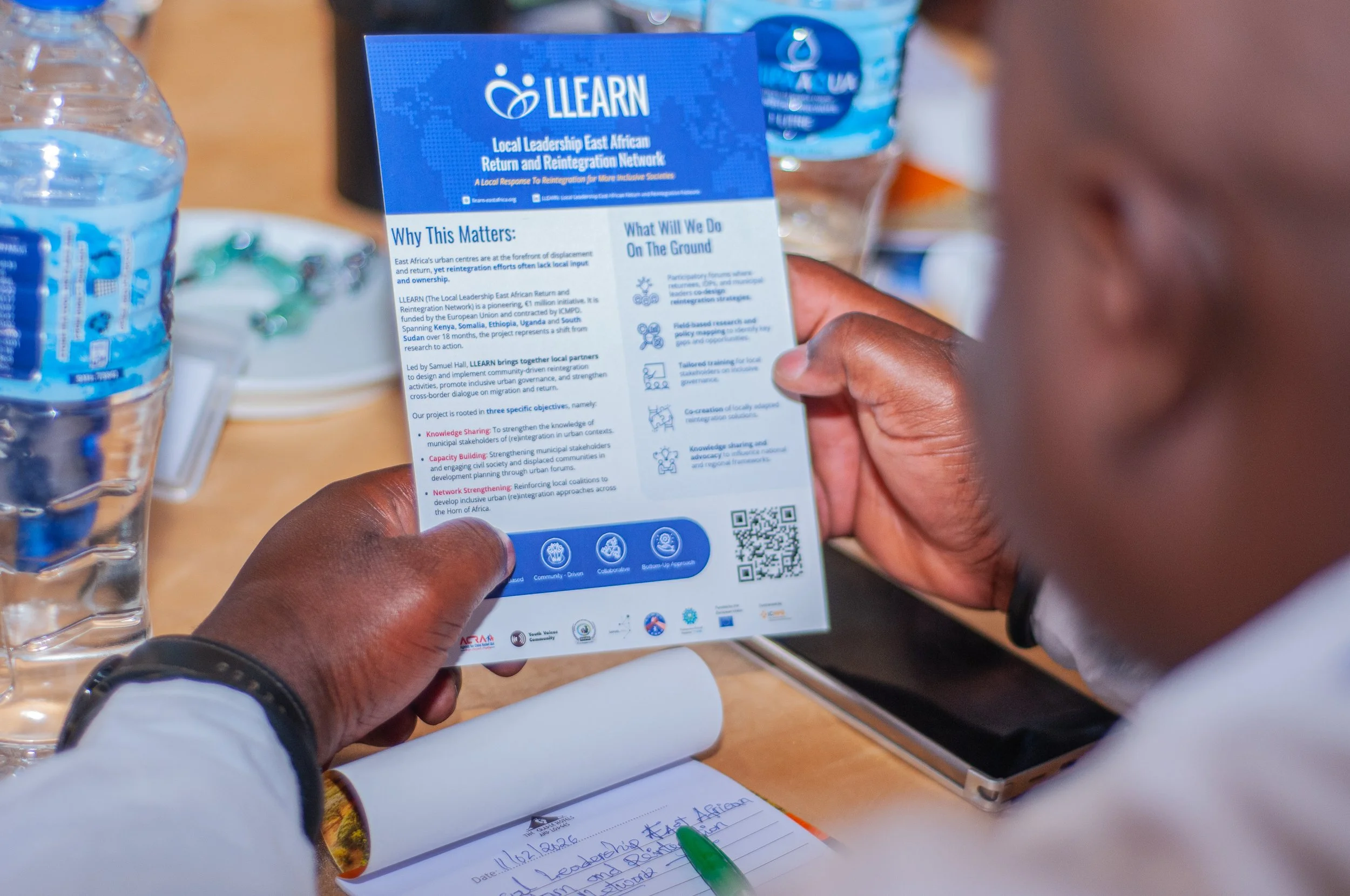
Our participatory forums happening in three rounds in each city, from February to June are local-level gatherings designed for shared analysis, agenda-setting, and validating research with displaced and host communities.
They are bringing together municipal authorities, community leaders, civil society, and returnees to:
Co-design city-level priorities and projects for reintegration.
Strengthen coordination between local governments and communities.
Identify livelihood opportunities across green, blue, and purple economies (environment, coastal, and care sectors).
Build inclusive dialogues on governance, socio-economic resilience, protection, and equality.
Read why participatory planning matters with displaced and host communities here.Scroll through some key insights below.
The second round of Participatory Forums focused on moving from identifying challenges to defining what practical solutions could look like for refugees, returnees, and host communities.
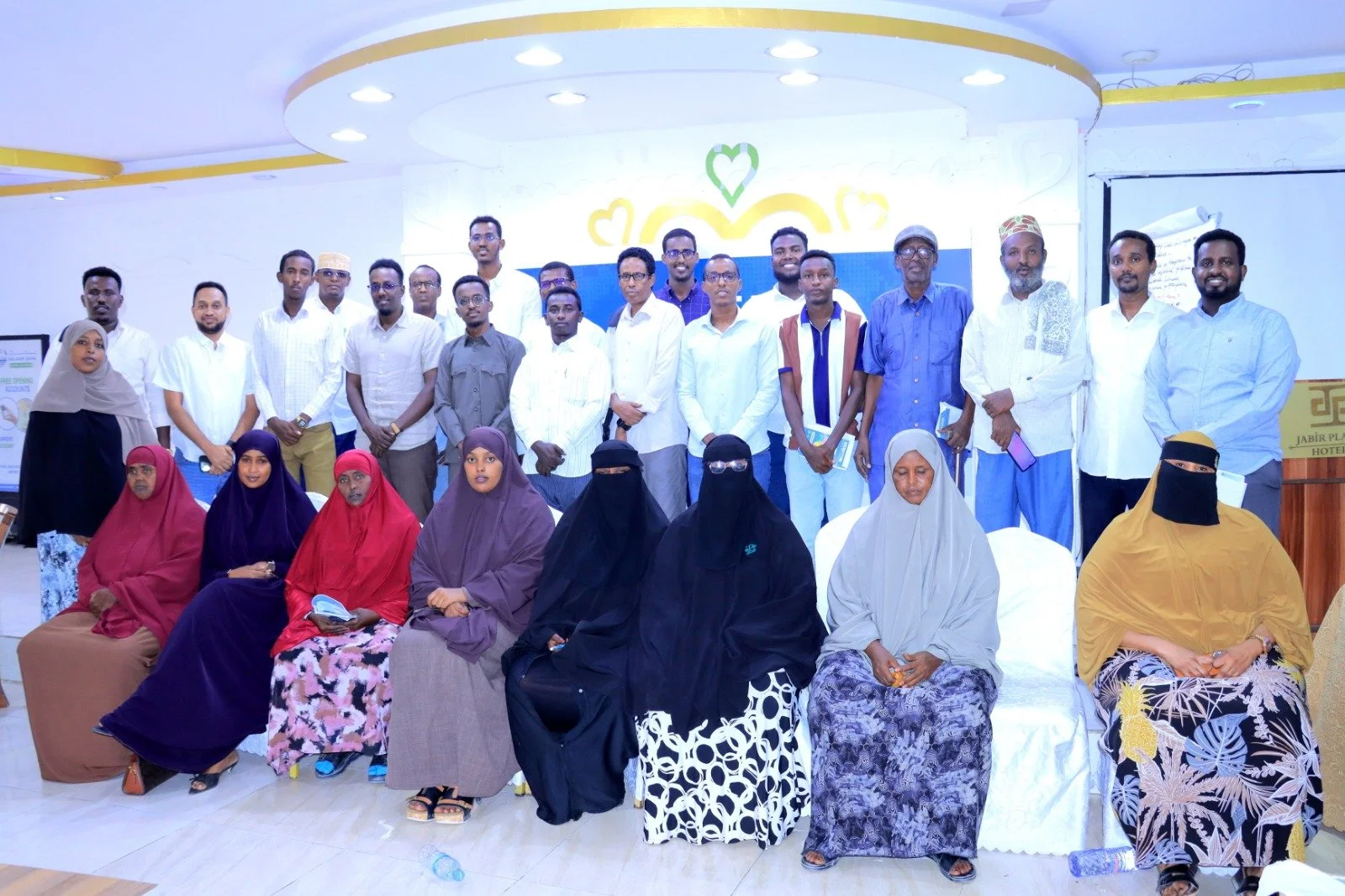
PF2: Bosaso, Somalia
April 2026
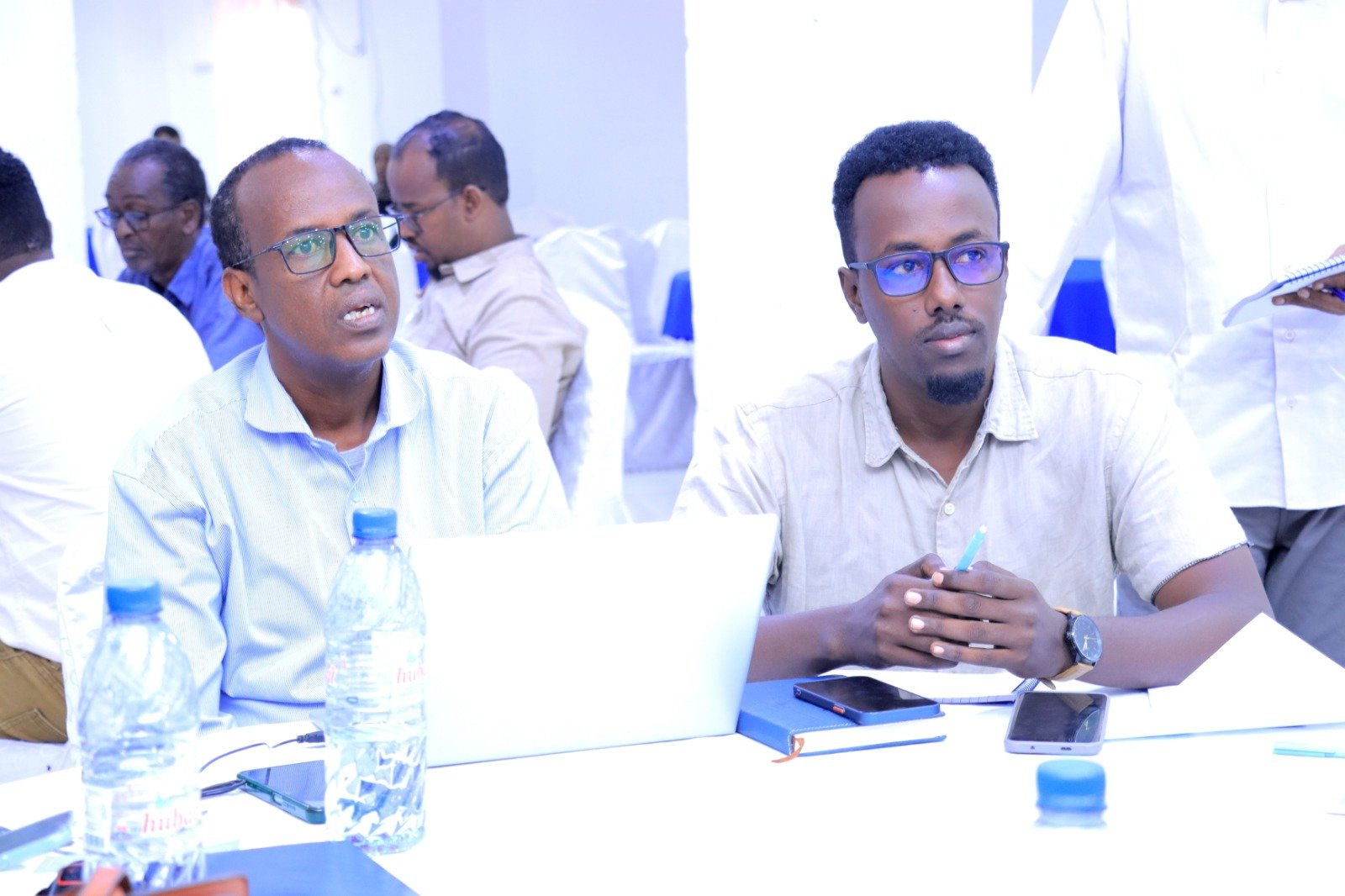
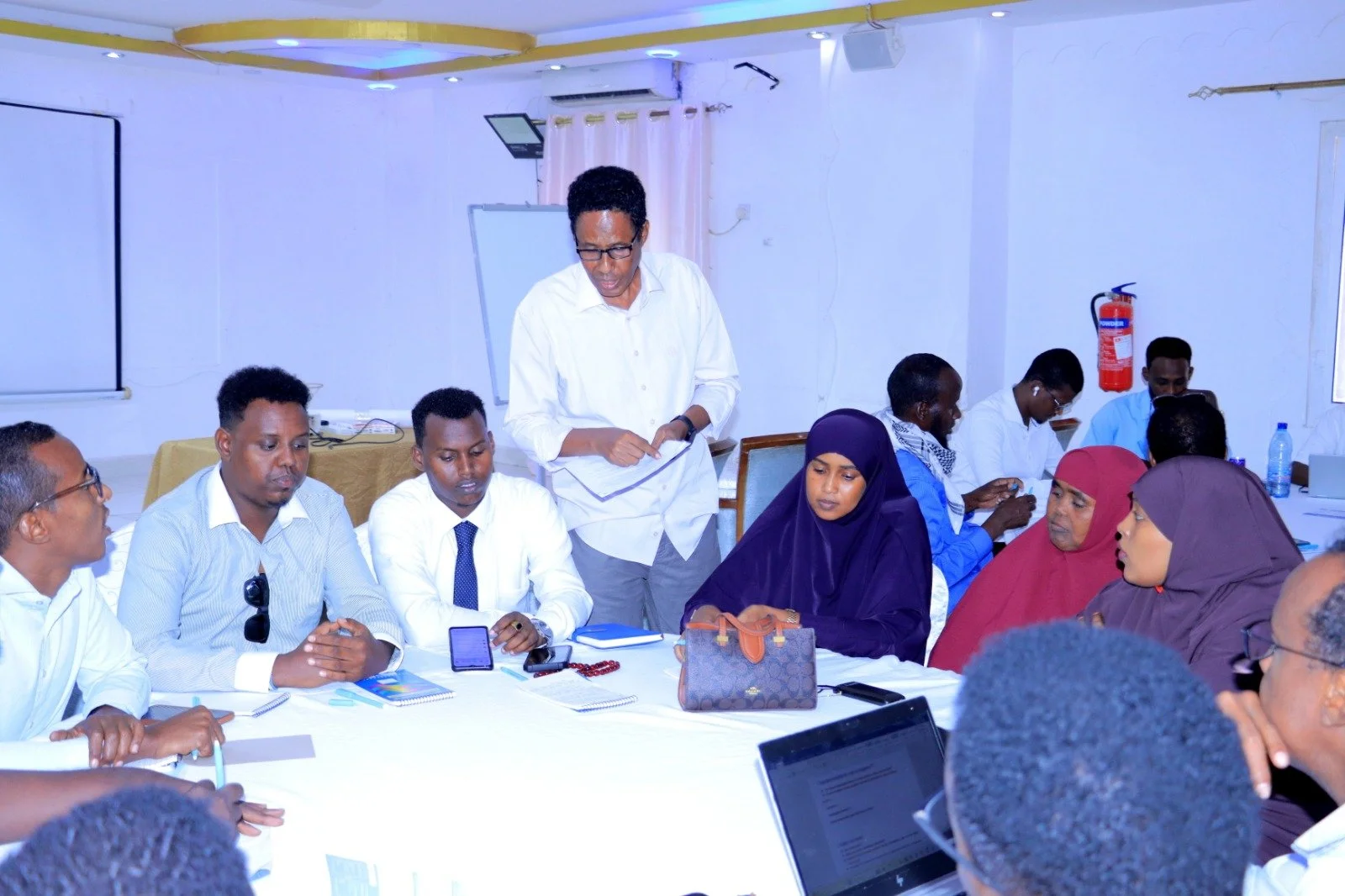
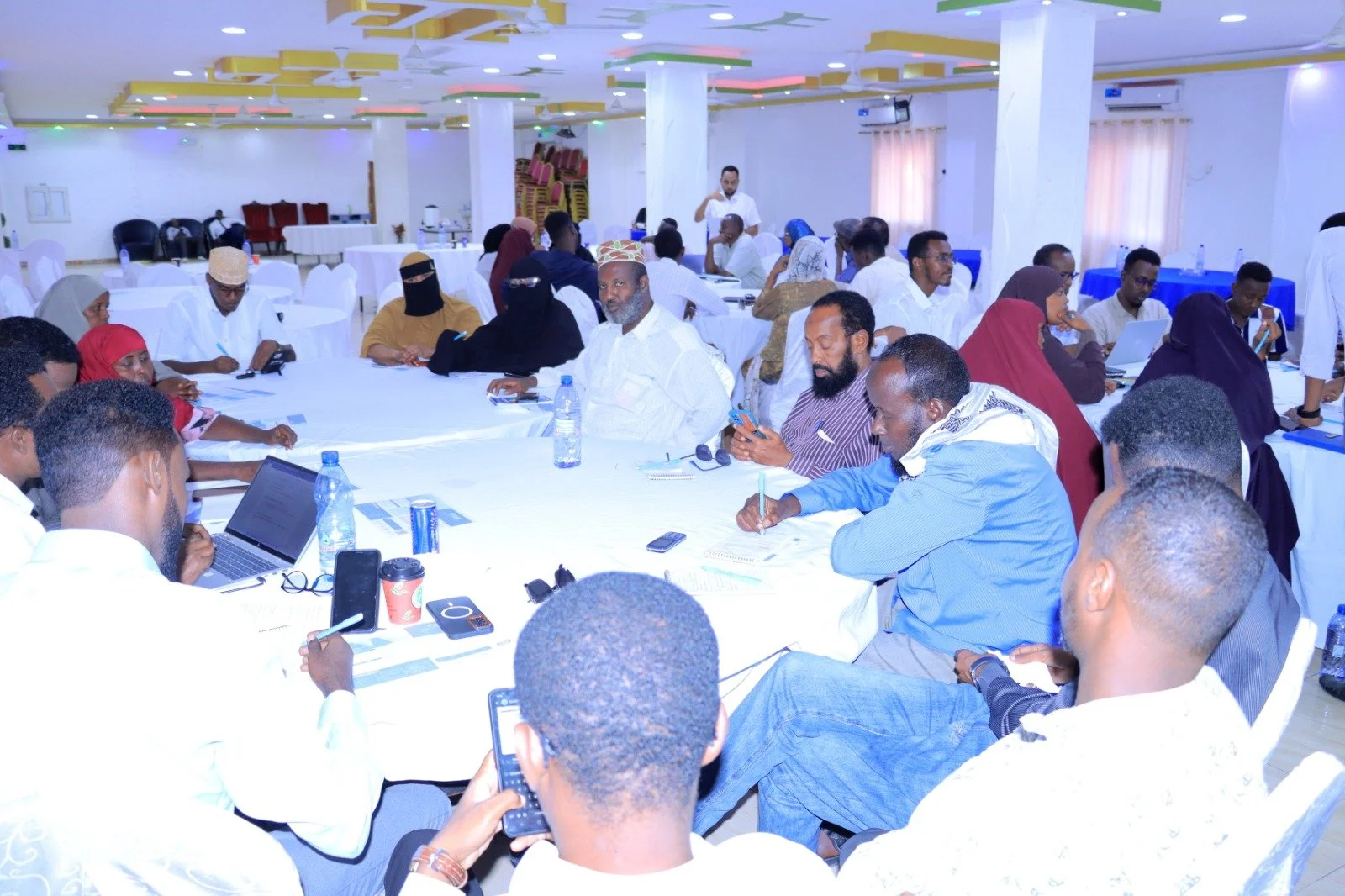
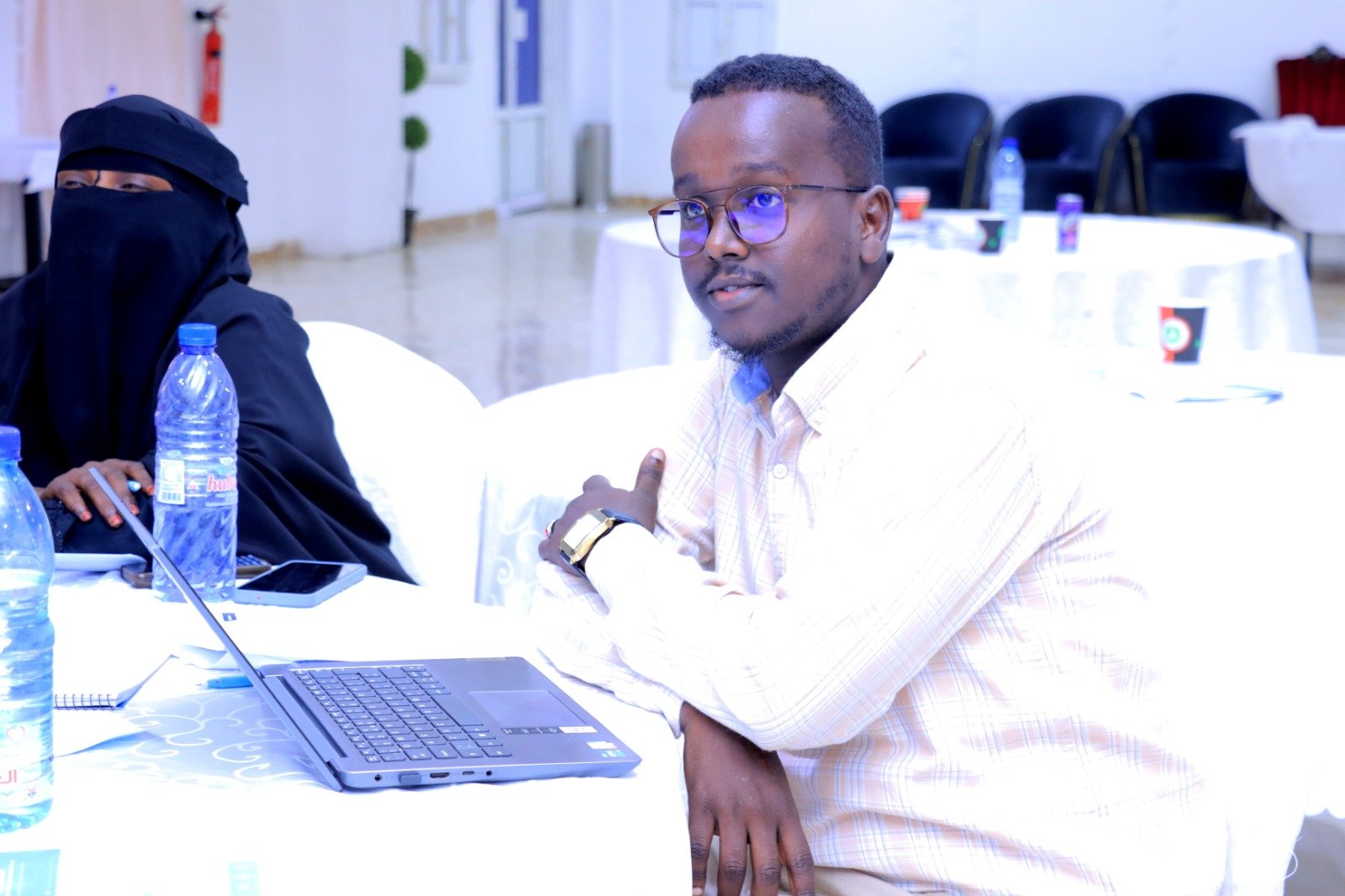
Community participation: In Bosaso, our partner Tadamun Social Society (TASS) convened 45 participants for the second Participatory Forum, bringing together local authorities, community representatives, religious leaders, private sector actors, NGOs, and financial institutions. Building on PF1, the forum created space for participants to move beyond validating findings and work in thematic groups to identify practical solutions across land and housing, livelihoods, and services and governance.
Participant dialogue: Discussions focused on what workable solutions could look like in practice. Across groups, participants emphasised that secure land access is the foundation for durable reintegration, proposing locally driven models such as business zakat, instalment systems, and coordinated government action to unlock land for vulnerable households. In livelihoods, the conversation shifted from skills training to broader economic systems, highlighting barriers such as lack of identification, limited access to finance, and weak market linkages. Participants stressed that addressing these requires collaboration between government, diaspora, private sector actors, banks, and NGOs. In services, discussions pointed to overstretched health and education systems, with participants calling for stronger accountability from the relevant Puntland Ministries for staffing, supply chains, and access.
Governance gaps and lessons for future forums: Discussions highlighted clearer lines of responsibility between municipal authorities and line ministries, particularly in health and education. Participants also emphasised a shift toward locally financed and led solutions, with growing interest in mechanisms such as zakat to support durable outcomes. At the same time, power dynamics around land ownership and limited access to formal decision-making remain key constraints. Reflections on the process noted the value of more focused, solution-oriented discussions, with participants calling for stronger follow-up, clearer accountability on agreed actions, and continued inclusion of IDPs, women, and youth in future forums.
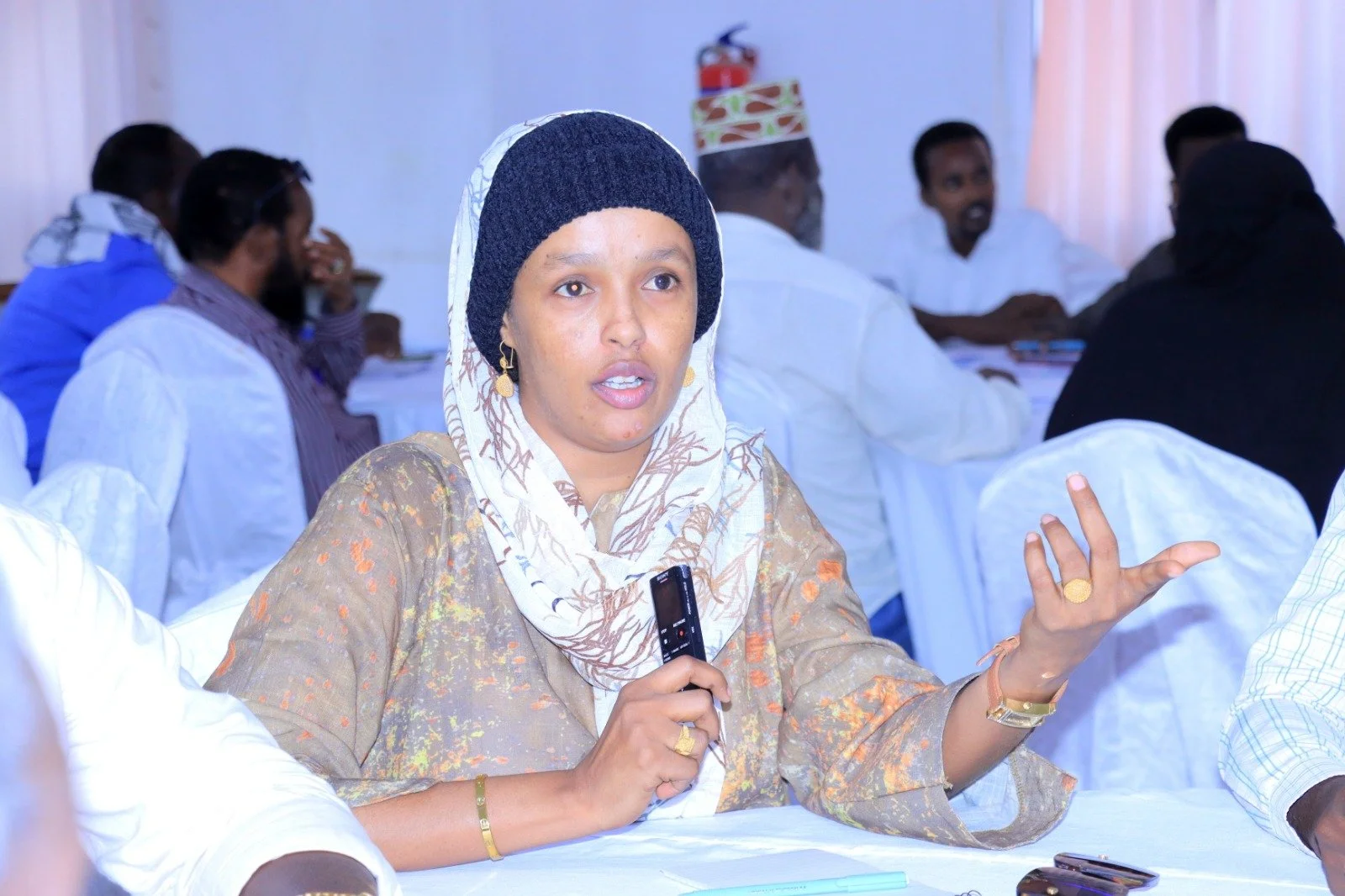
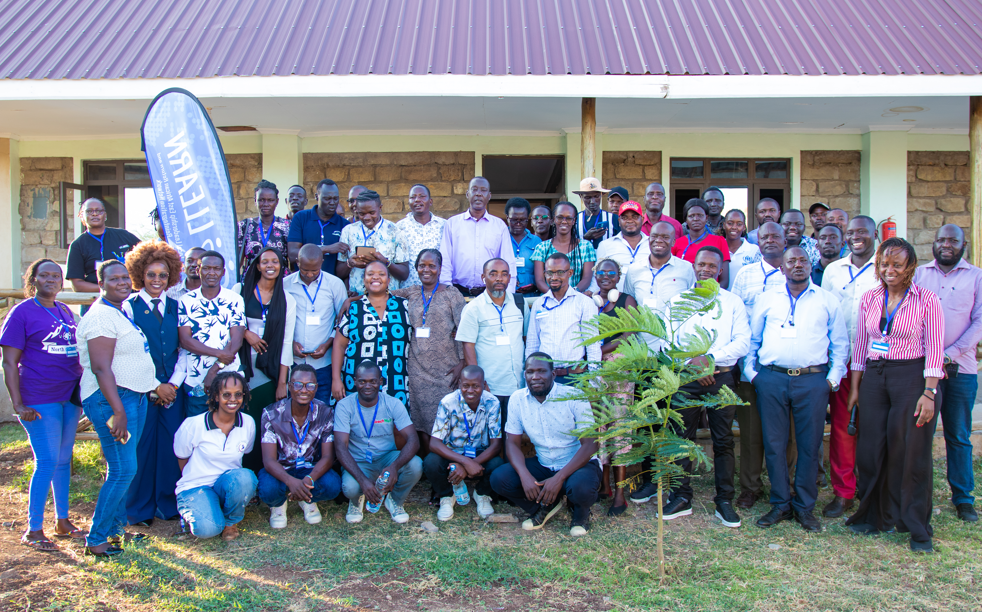
PF2: Kakuma, Kenya
April 2026
PF2: Kakuma, Kenya
April 2026
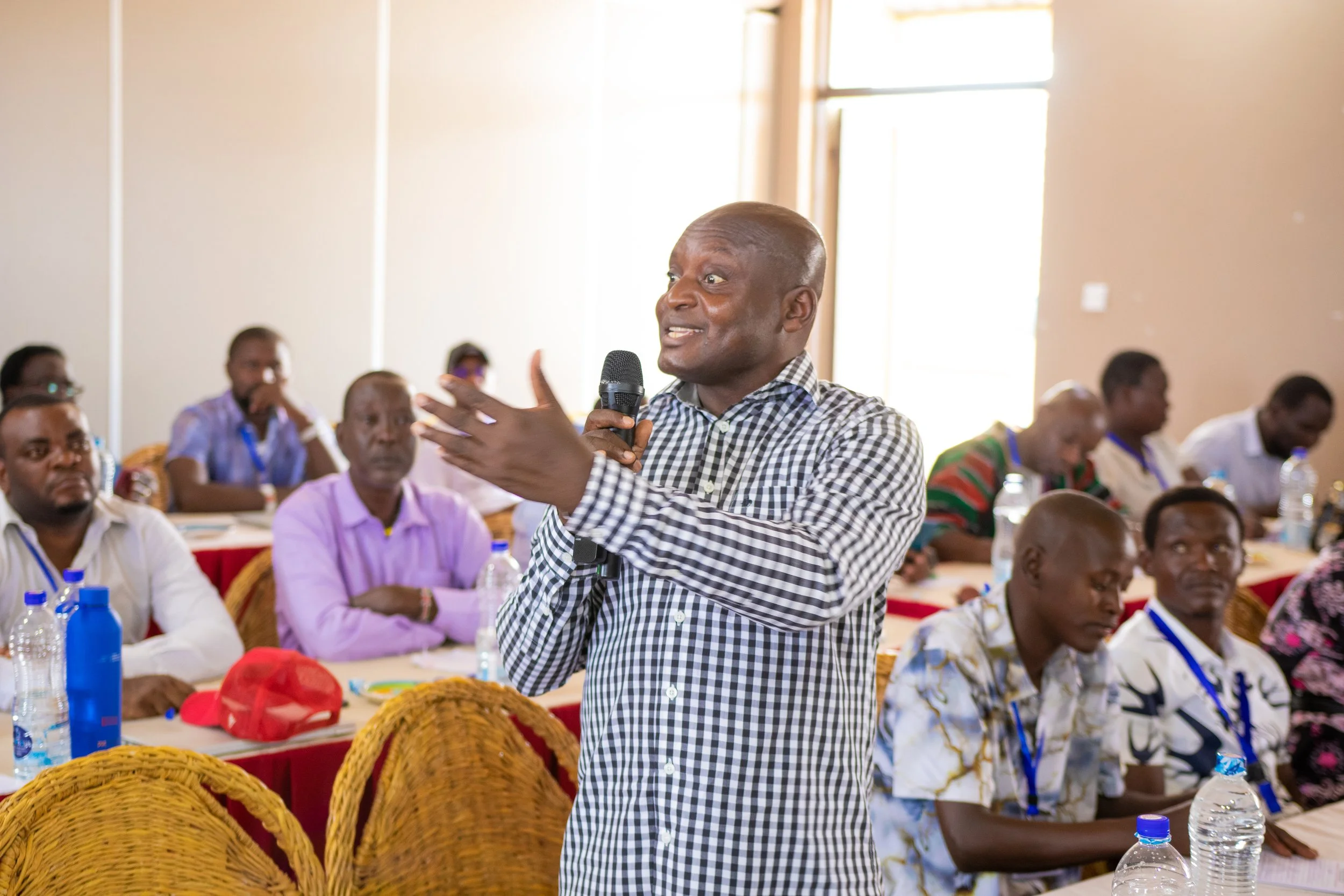
Community participation: In Kakuma, our partner Youth Voices Community (YVC) convened 52 participants for the second Participatory Forum, bringing together refugee-led organisations, community groups, government actors, private sector representatives, and development partners. Building on PF1, the forum created space for participants to move beyond identifying challenges and work in thematic groups to explore what practical solutions could look like across education and livelihoods, mobility and infrastructure, and basic services and living conditions.
Participant dialogue: Discussions focused on how systems need to function differently to improve access and outcomes. In education and livelihoods, participants emphasised the need to better align learning with market opportunities, strengthen coordination to avoid duplication, and improve access to information so that young people can benefit from available programmes. In mobility and infrastructure, participants highlighted that access is shaped not just by the presence of services, but by how reachable and navigable they are, calling for stronger coordination, improved infrastructure, and public–private partnerships. In basic services, discussions pointed to the need for better spatial planning, stronger alignment between land and housing policies, and more active community involvement in service delivery and management. Across all themes, participants moved from describing gaps to identifying how systems could be redesigned to improve access.
Governance gaps and lessons for future forums: Discussions highlighted a gap between systems “on paper” and how they function in practice, particularly around access to services, documentation processes, and institutional coordination. Participants emphasised that fragmentation and duplication among actors reduce impact, pointing to the need for stronger alignment between government, partners, and community structures. At the same time, there was clear convergence around practical approaches, including decentralising services, strengthening information-sharing through community channels, and improving spatial planning. The forum also demonstrated the value of structured group work and tools such as the “parking lot” to capture unresolved issues. Reflections for future forums emphasised the importance of clearer communication, stronger feedback loops, and continued focus on practical, solution-oriented dialogue.
PF2: Koboko,
April 2026
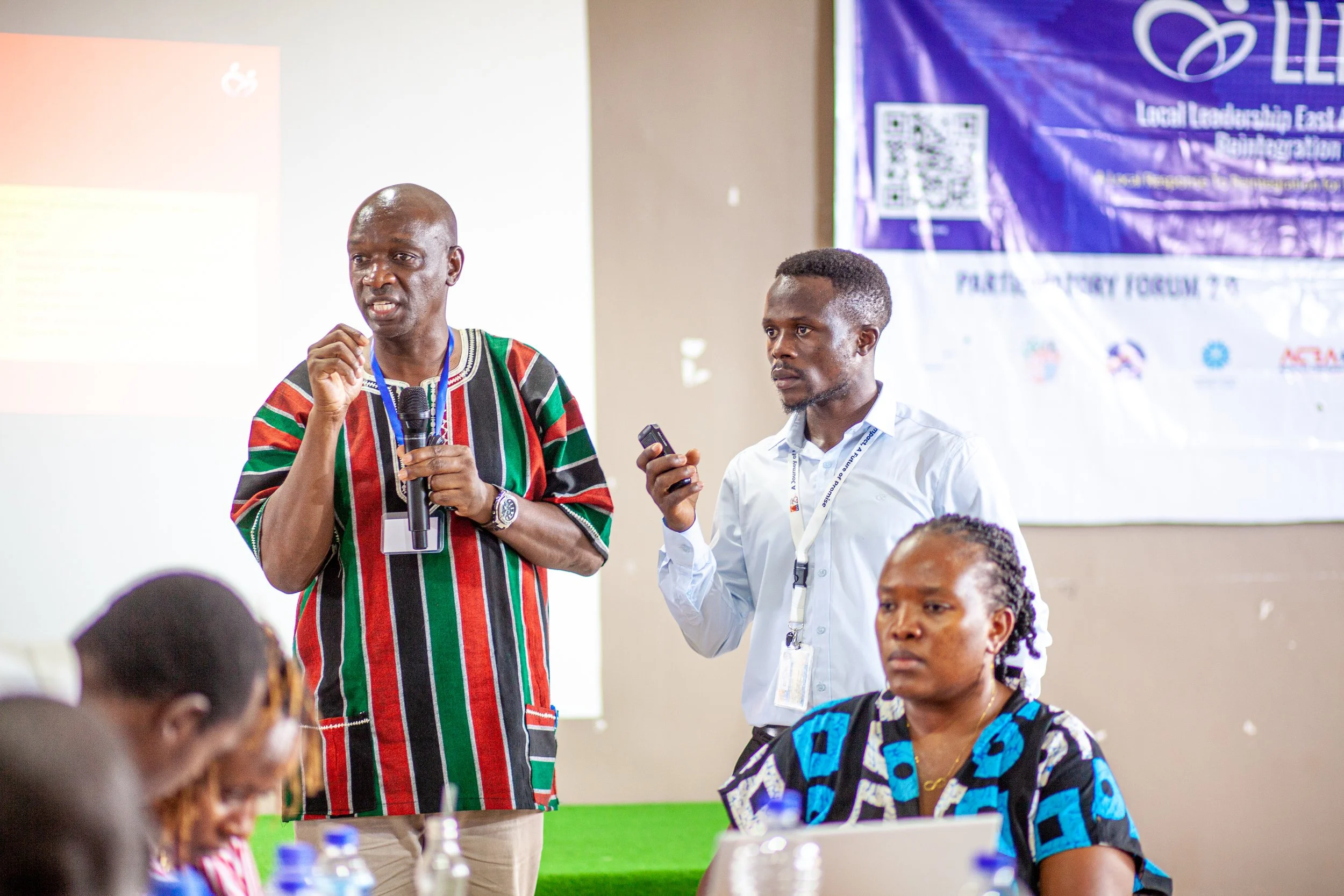
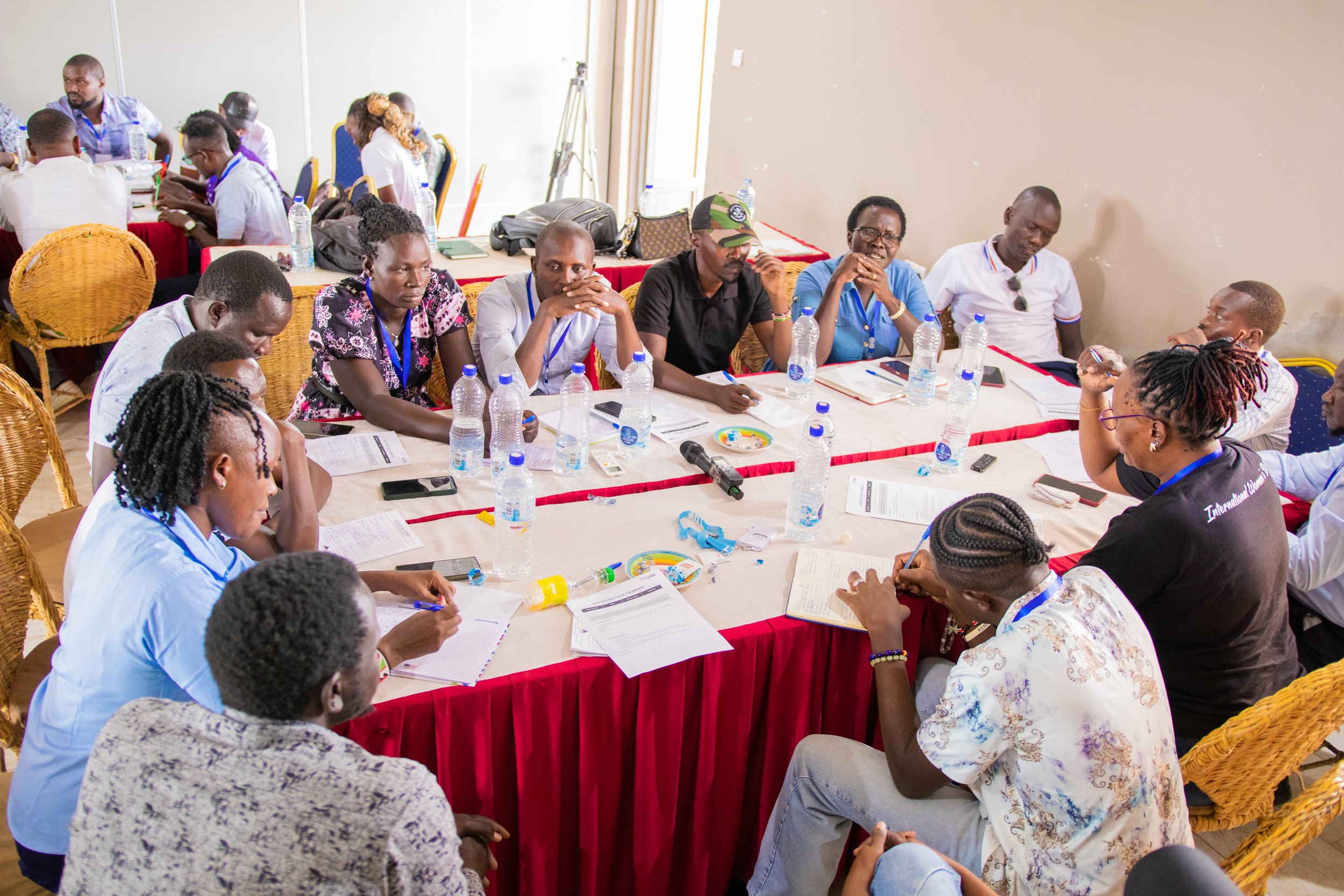
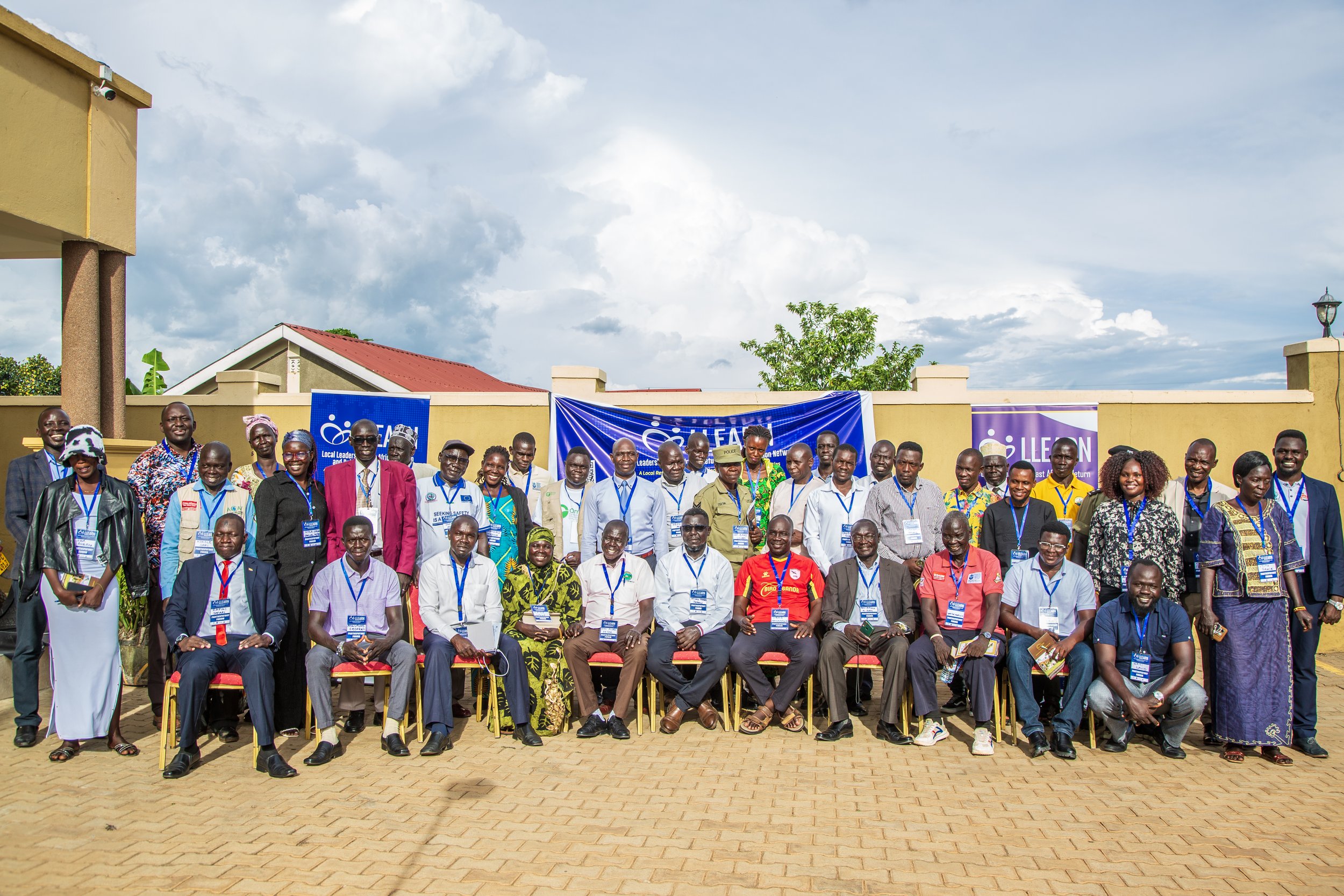
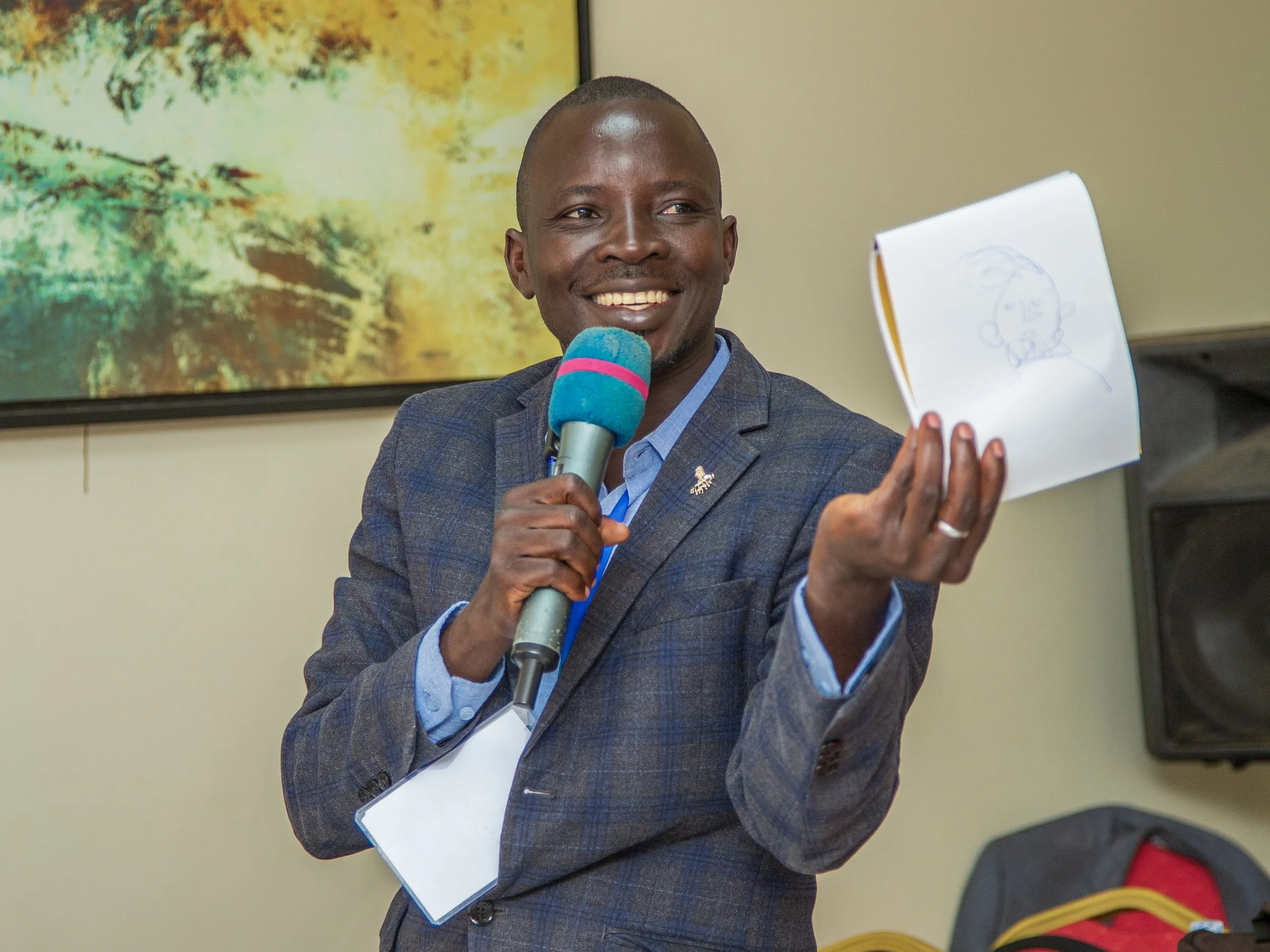
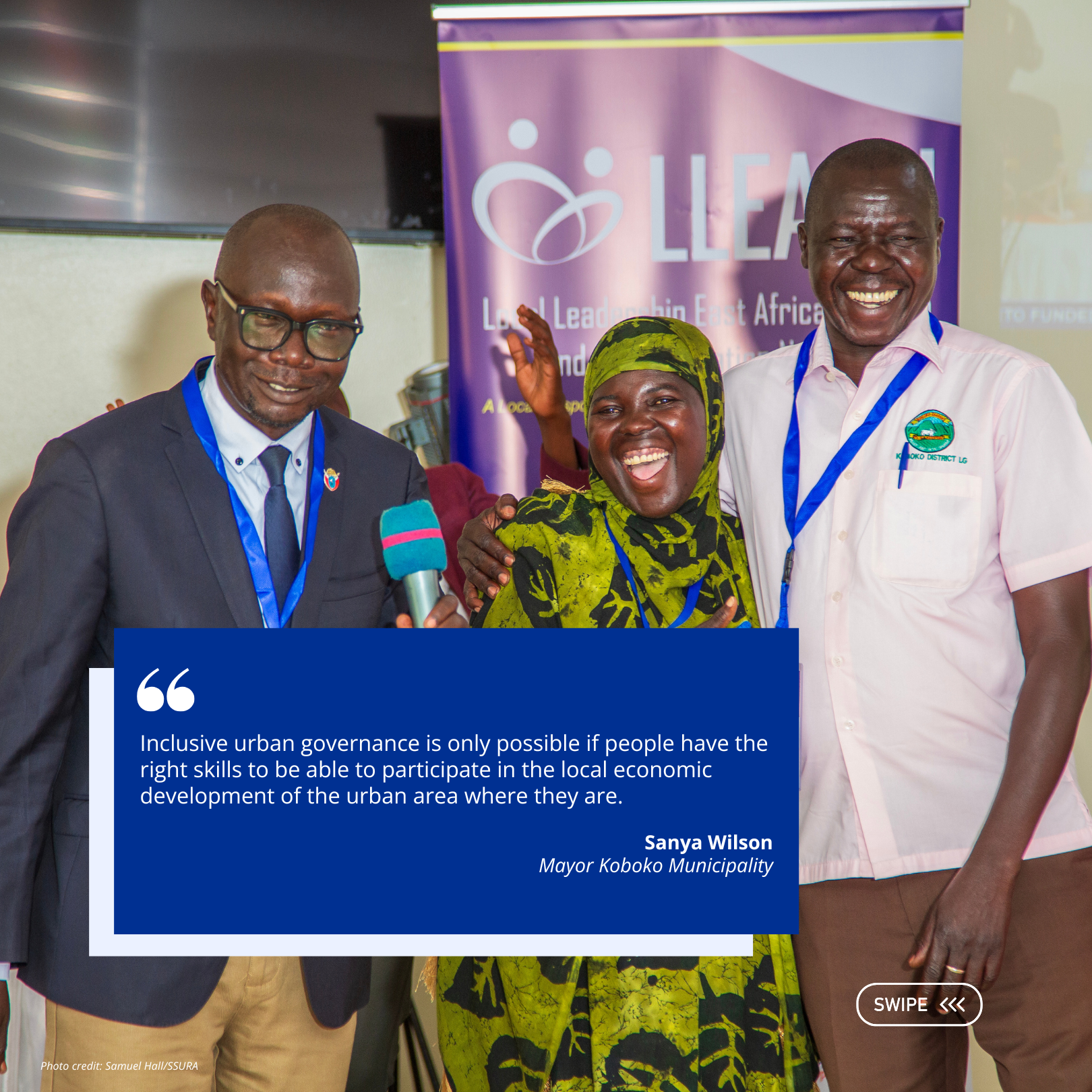
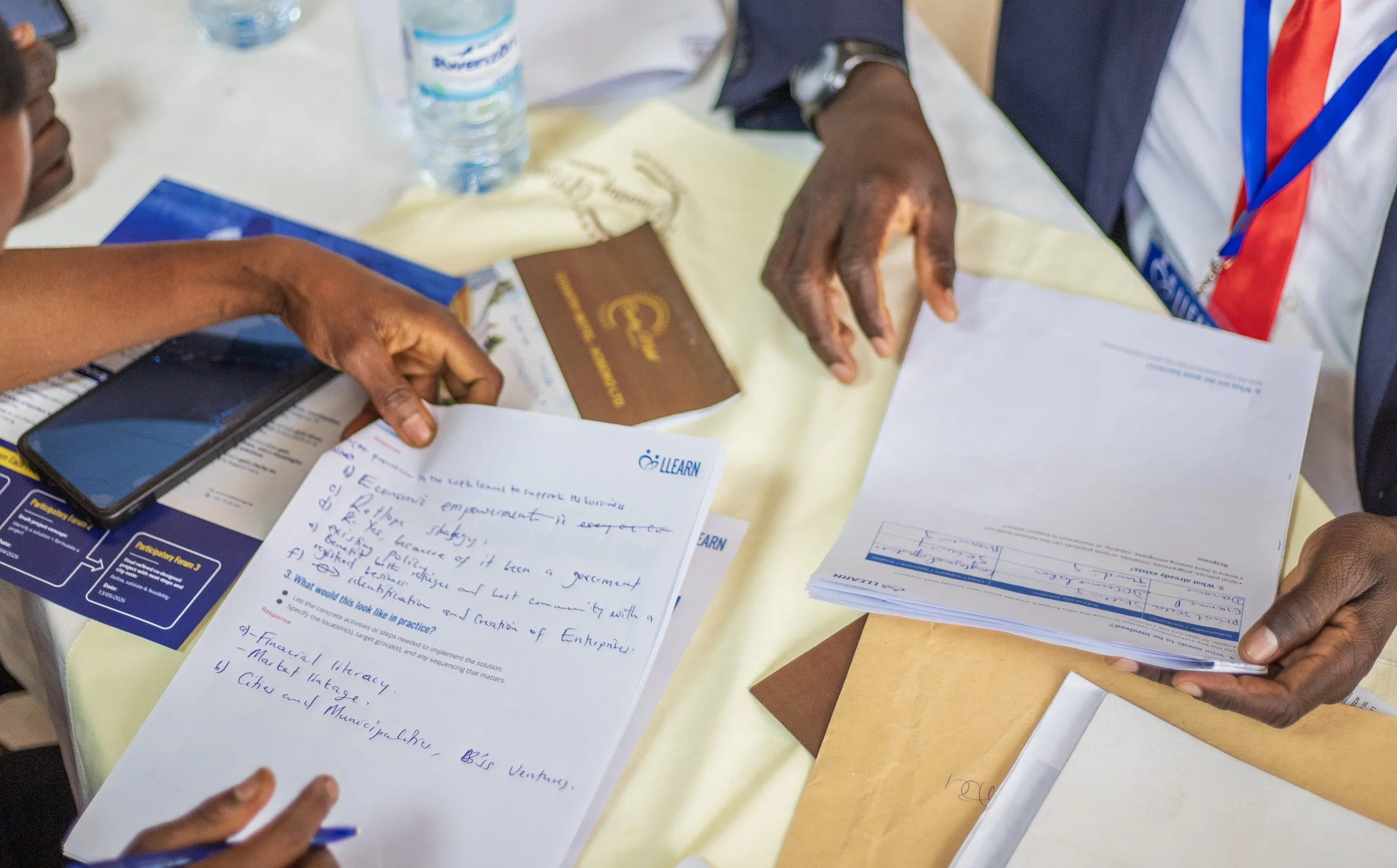
Community participation: In Koboko, our partner the South Sudanese Refugee Association (SSURA) convened 56 participants for a participatory forum, bringing together municipal officials, refugee leaders, civil society organisations, refugee-led organisations (RLOs), private sector actors, and community representatives. The forum created space for participants to review research findings and reflect on the lived realities shaping refugee and host community integration in Koboko Municipality.
Participant dialogue: Participants highlighted that while skills development programmes are widely implemented, they often do not translate into sustainable livelihoods. Many refugee youth are already trained but lack start-up capital, follow-up support, and mentorship to turn skills into income. Discussions also pointed to significant information gaps between institutions and communities, with refugees and returnees often receiving incomplete or inconsistent information about services and policies. In addition, participants raised concerns about pressure on infrastructure, noting overcrowded housing, limited access to health and education services, and the lack of adequate support for children with disabilities. Beyond the findings, participants also surfaced issues such as psychosocial stress linked to family separation and missing children, and concerns about undocumented populations contributing to strain on services.
Governance gaps and lessons for future forums: Discussions revealed tensions around priority-setting, particularly between investments in skills development and infrastructure such as healthcare. While perspectives differed, participants ultimately converged on shared priorities and emphasised the need for stronger coordination across actors. The forum highlighted gaps in participation and representation, with community voices often mediated through leaders rather than directly expressed. Differences in institutional information and mandates also pointed to coordination challenges. At the same time, the forum demonstrated the value of bringing diverse stakeholders into one space to clarify information, build shared understanding, and co-create priorities. Reflections for future forums included the need for more time for discussion, simpler communication tools, and stronger inclusion of refugees, youth, and persons with disabilities.
PF2: Dessie, Ethiopia
March, 2026
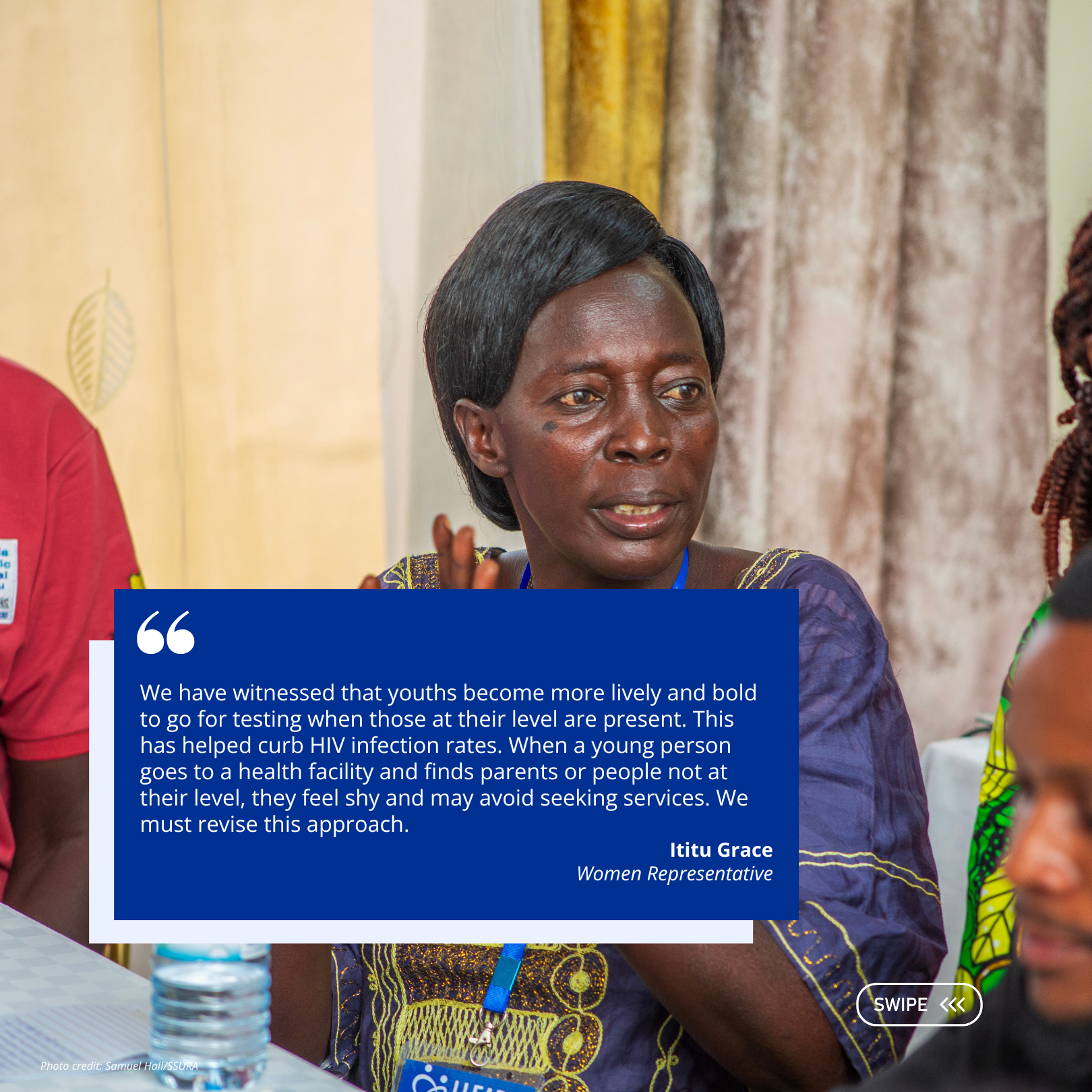
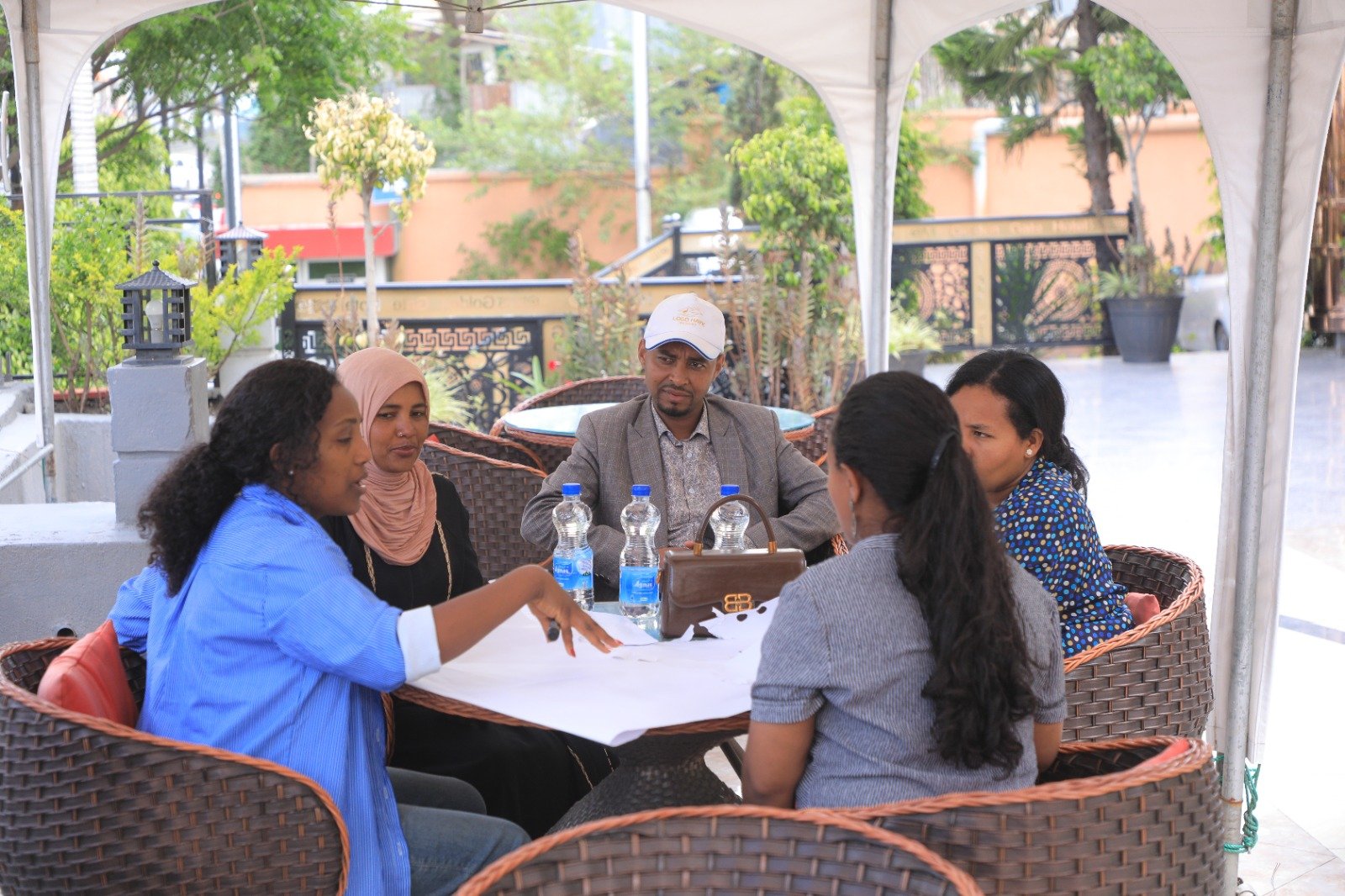
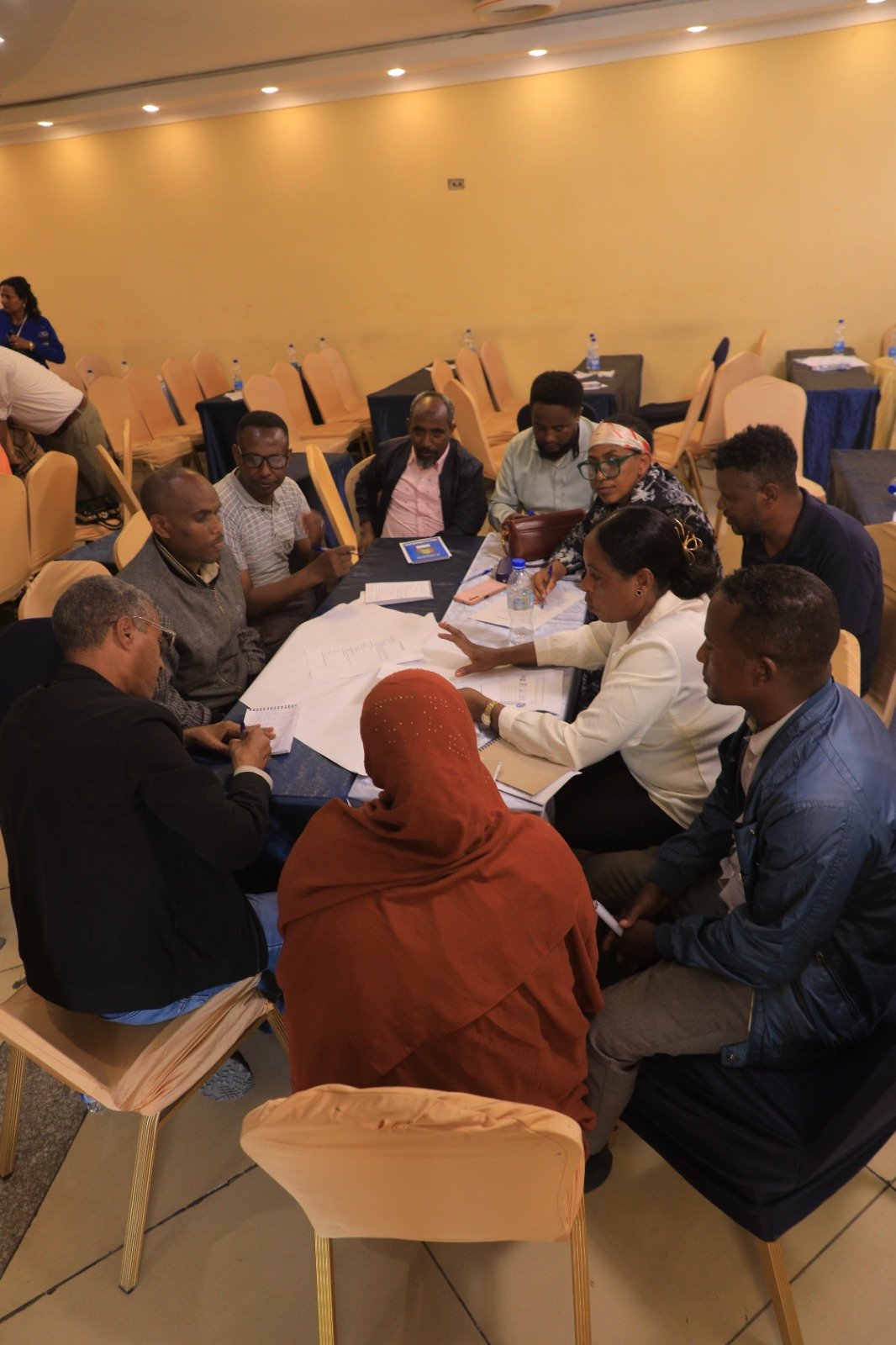
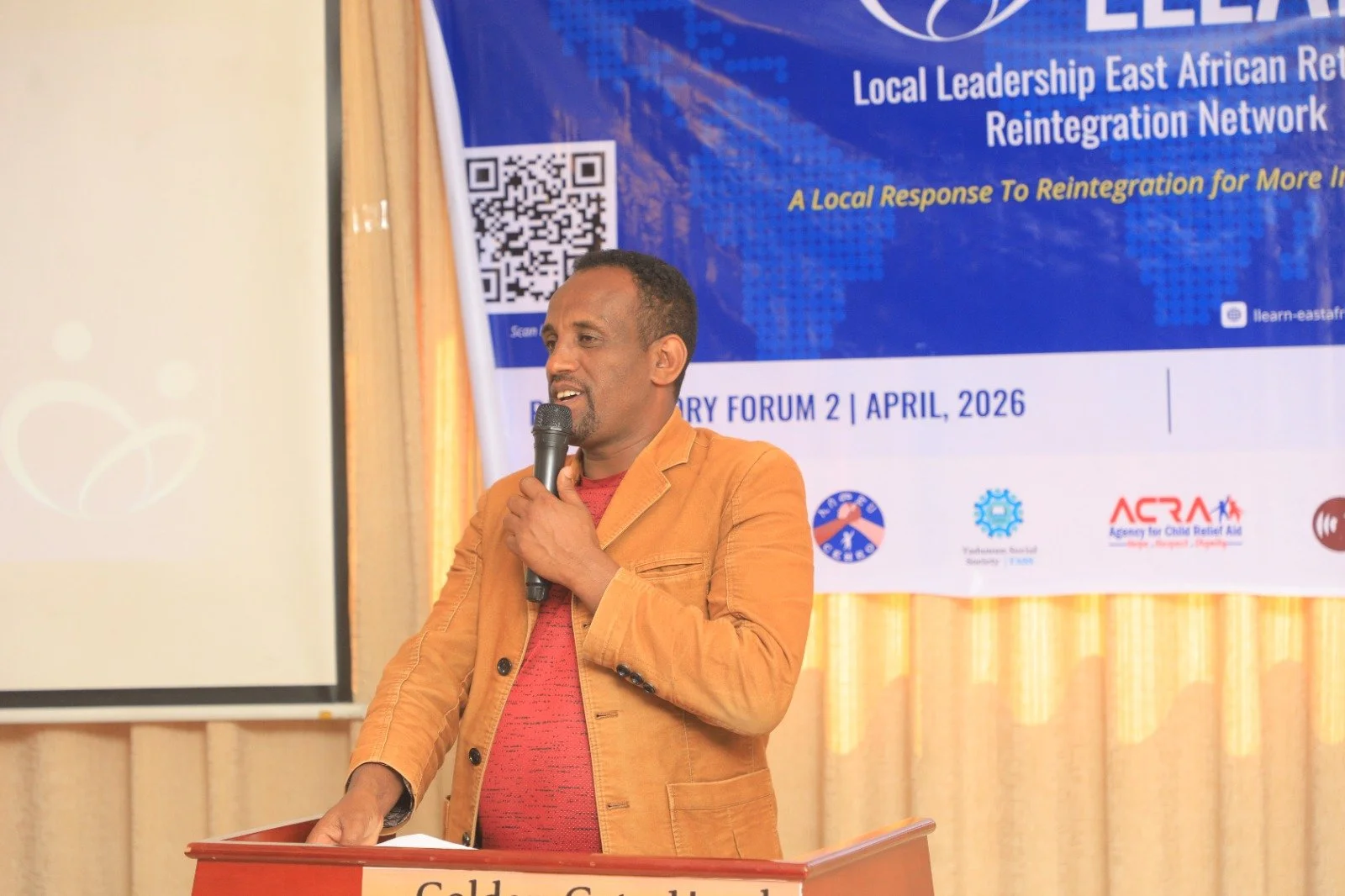
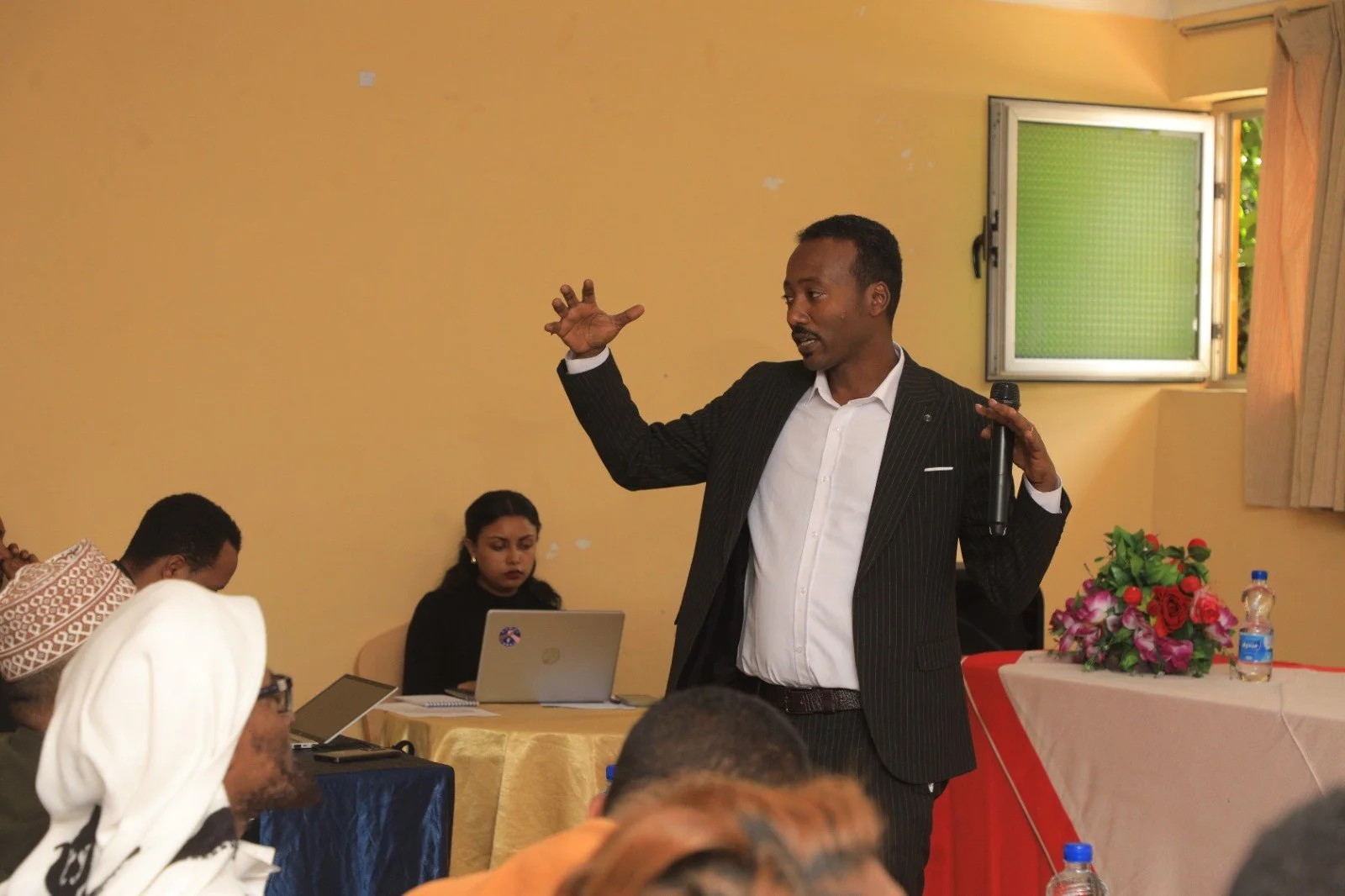
Community participation: In Dessie, our partner CEHRO convened 55 participants for the second Participatory Forum, bringing together local authorities, civil society organisations, universities, humanitarian actors, financial institutions, community representatives, and service providers. Building on PF1, the forum created space for participants to move beyond validating findings and work in thematic groups to identify practical solutions across shelter, food security, livelihoods, mental health and psychosocial support (MHPSS), and access to documentation.
Participant dialogue: Discussions focused on what workable and longer-term solutions could look like in practice for IDPs and returnees in and around Dessie. Across groups, participants stressed that immediate humanitarian needs could not be separated from longer-term reintegration and recovery. In shelter discussions, participants highlighted overcrowded and deteriorating collective centres and called for both urgent shelter maintenance and longer-term housing solutions. In food security and livelihoods discussions, the conversation shifted from short-term aid to pathways toward self-reliance, including cash and voucher systems, agricultural support, enterprise development, and skills recognition. Mental health discussions highlighted the close relationship between economic insecurity and psychosocial distress, while lack of documentation was repeatedly identified as a major barrier limiting access to services, employment, and mobility.
Governance gaps and lessons for future forums: Discussions highlighted the absence of a single institution responsible for coordinating displacement-related issues, creating gaps in accountability and service delivery across sectors. Participants also noted that while policy frameworks exist, implementation remains inconsistent. Reflections on the process highlighted the value of more solution-oriented discussions, while recognising the need to further narrow and prioritise pilot ideas before PF3 to ensure they remain practical and achievable.
PF2: Aweil, South Sudan,
May 2026
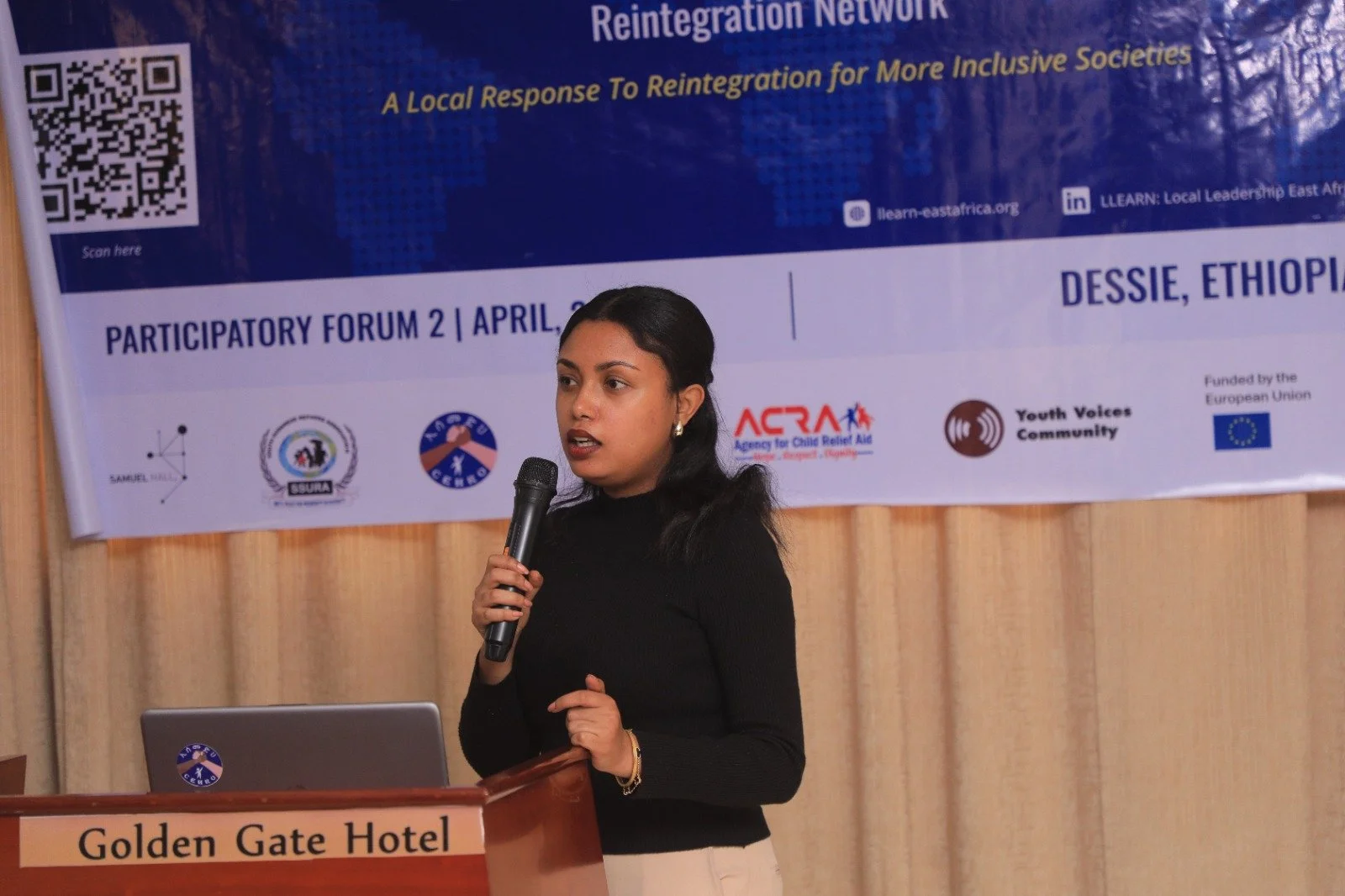
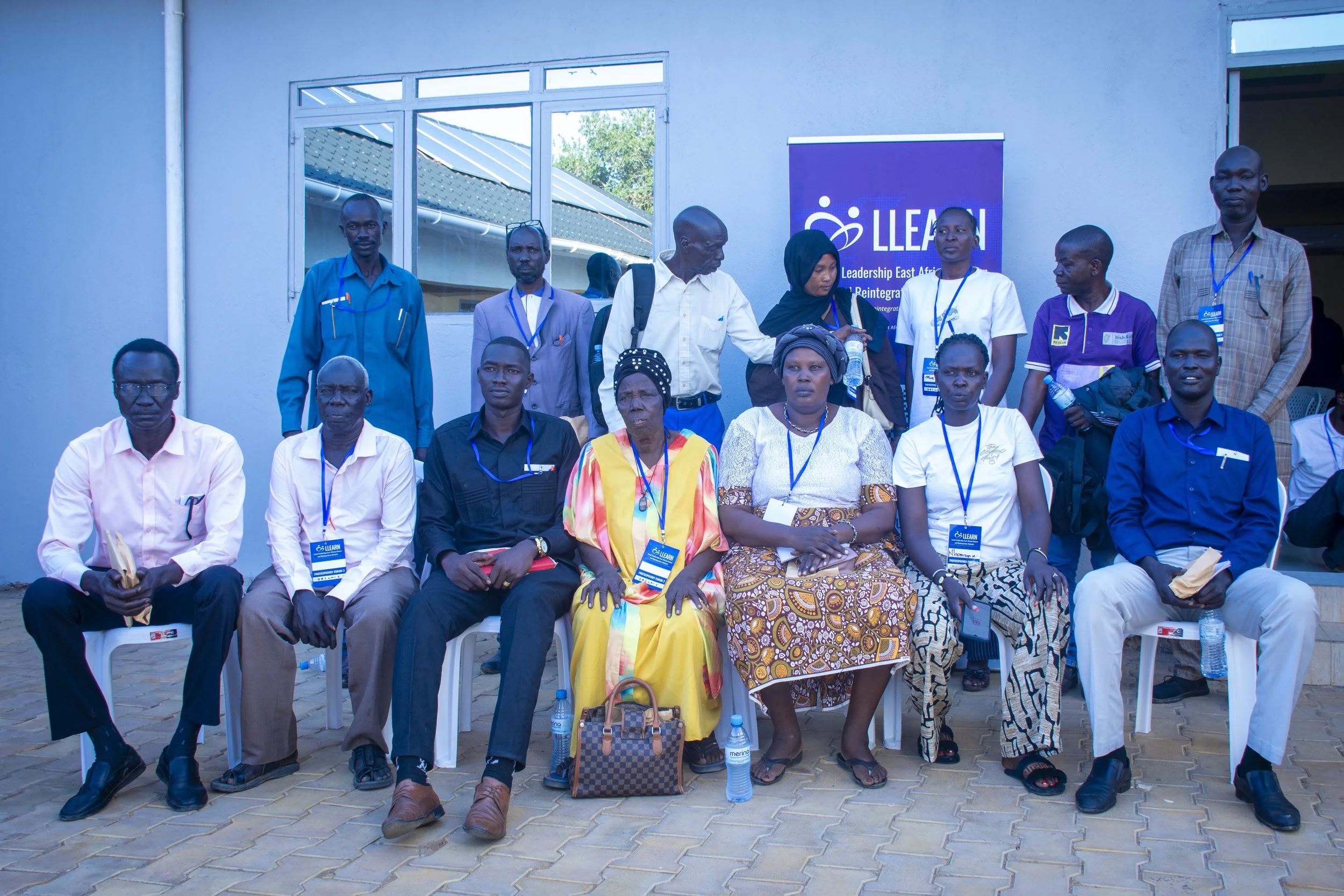
Community participation: In Aweil, our partner Bridge Network convened 67 participants for the second Participatory Forum, bringing together state and local authorities, refugee and returnee representatives, traditional leaders, women and youth groups, humanitarian organisations, banks, traders, civil society actors, and private sector representatives. Building on PF1, the forum focused on moving beyond identifying challenges towards developing practical solutions that could be refined into pilot projects ahead of PF3.
Participant dialogue: Discussions centred on a key question: how can Aweil move from peaceful coexistence to durable systems that support reintegration and inclusion? Participants worked across four thematic areas — social cohesion and inclusion, WASH and basic services, livelihoods, and policy implementation. Across the discussions, participants emphasised that land documentation is fundamental to long-term settlement, access to livelihoods and community stability. They proposed stronger systems for land allocation and dispute resolution, community-led approaches to managing water infrastructure, and expanded support for Village Savings and Loan Associations (VSLAs) to improve access to finance for women, youth, refugees and returnees. Discussions also highlighted the need to strengthen local production, support small businesses, and connect skills development to access to capital, markets and productive land.
Governance gaps and lessons for future forums: While participants identified strong social cohesion as an asset, they noted that existing systems for land administration, service delivery and economic support remain under-resourced and inconsistently implemented. Discussions pointed to the need for clearer coordination between government institutions, humanitarian actors, traditional leaders and communities, alongside stronger accountability mechanisms and follow-up on commitments. Participants also stressed that reintegration efforts should build on existing local structures — including women’s groups, youth groups, VSLAs, cooperatives and community committees — rather than creating parallel systems. Looking ahead to PF3, the focus will be on refining pilot concepts, confirming institutional commitments and identifying practical pathways for implementation.