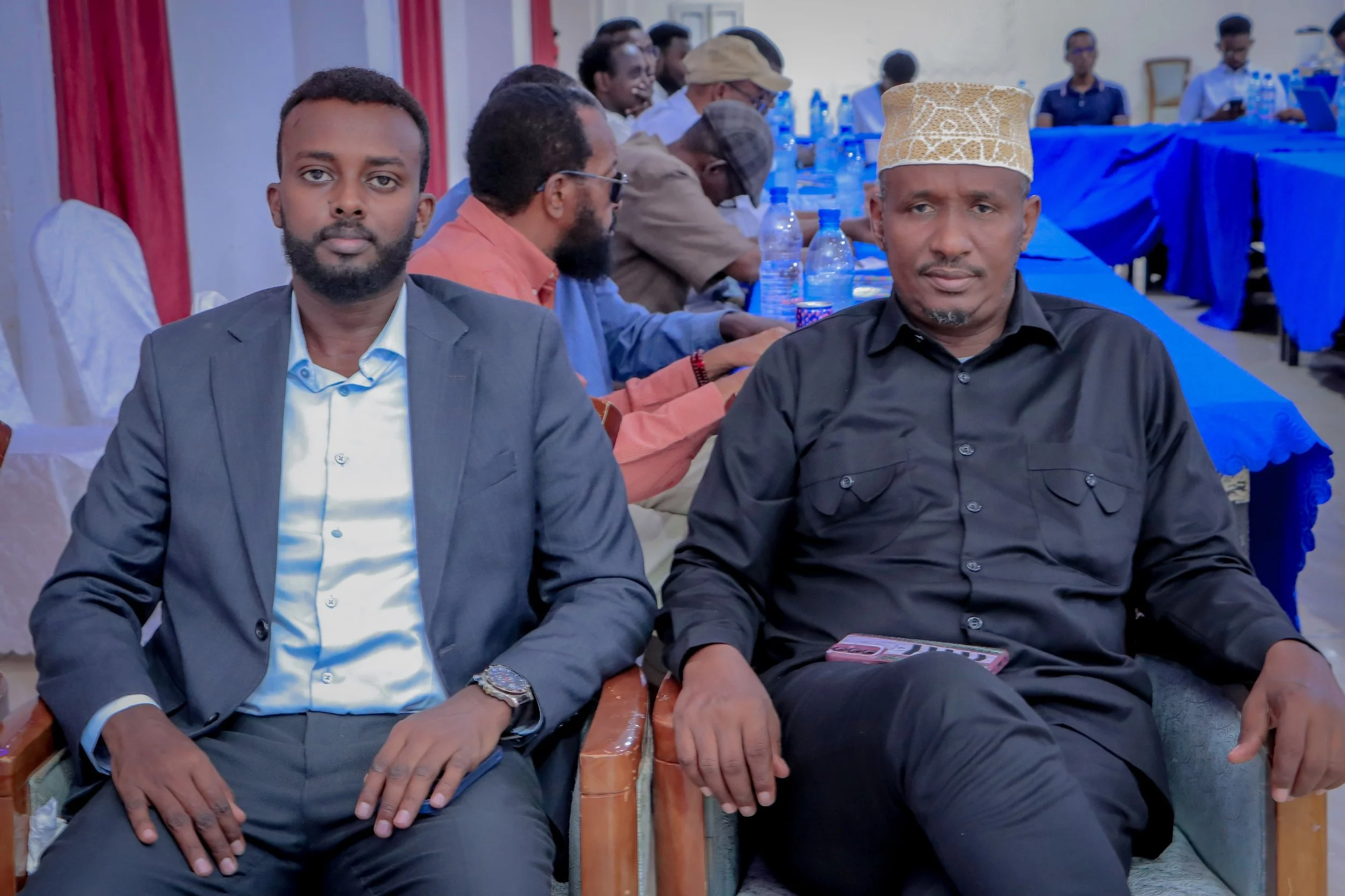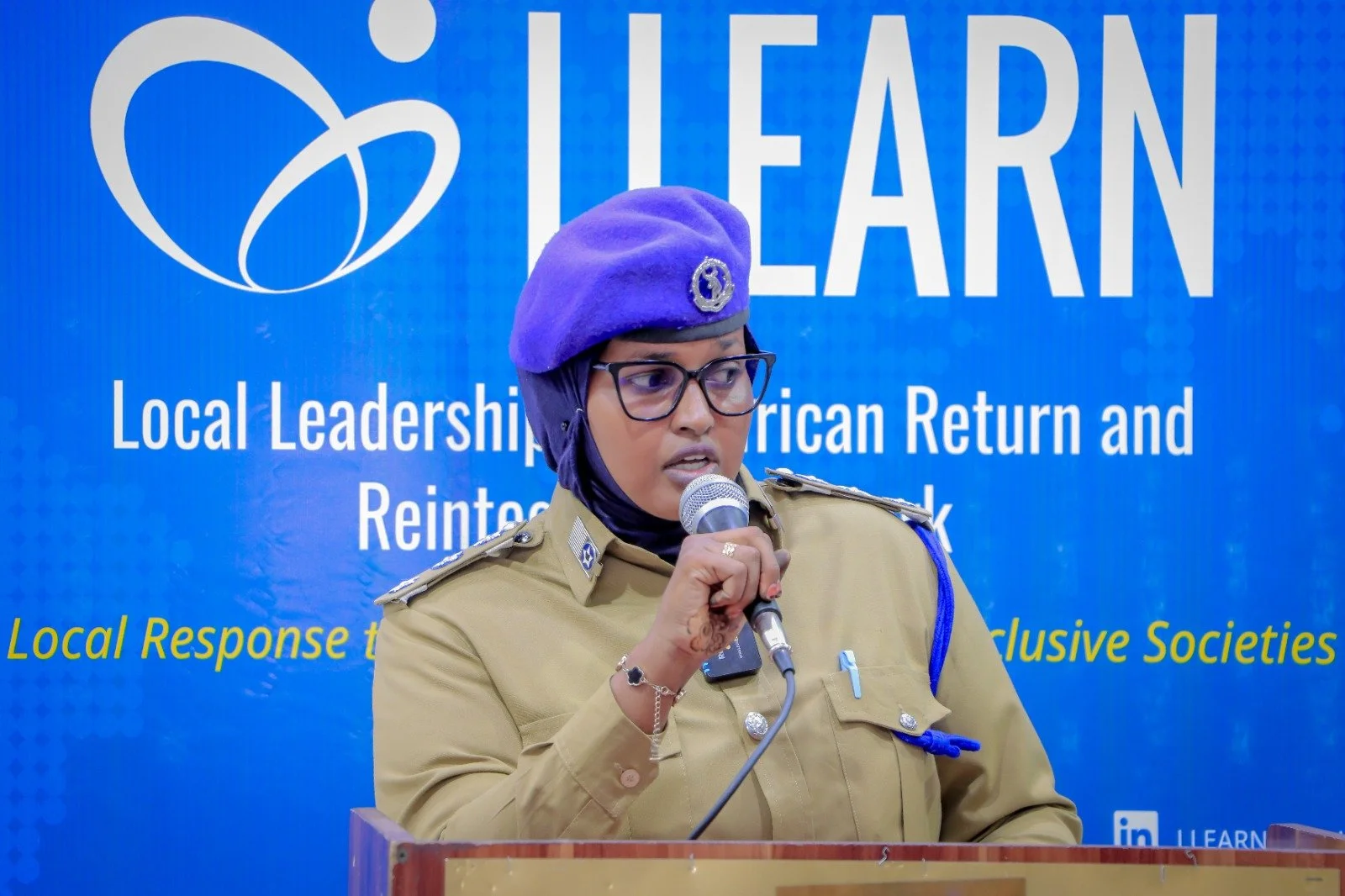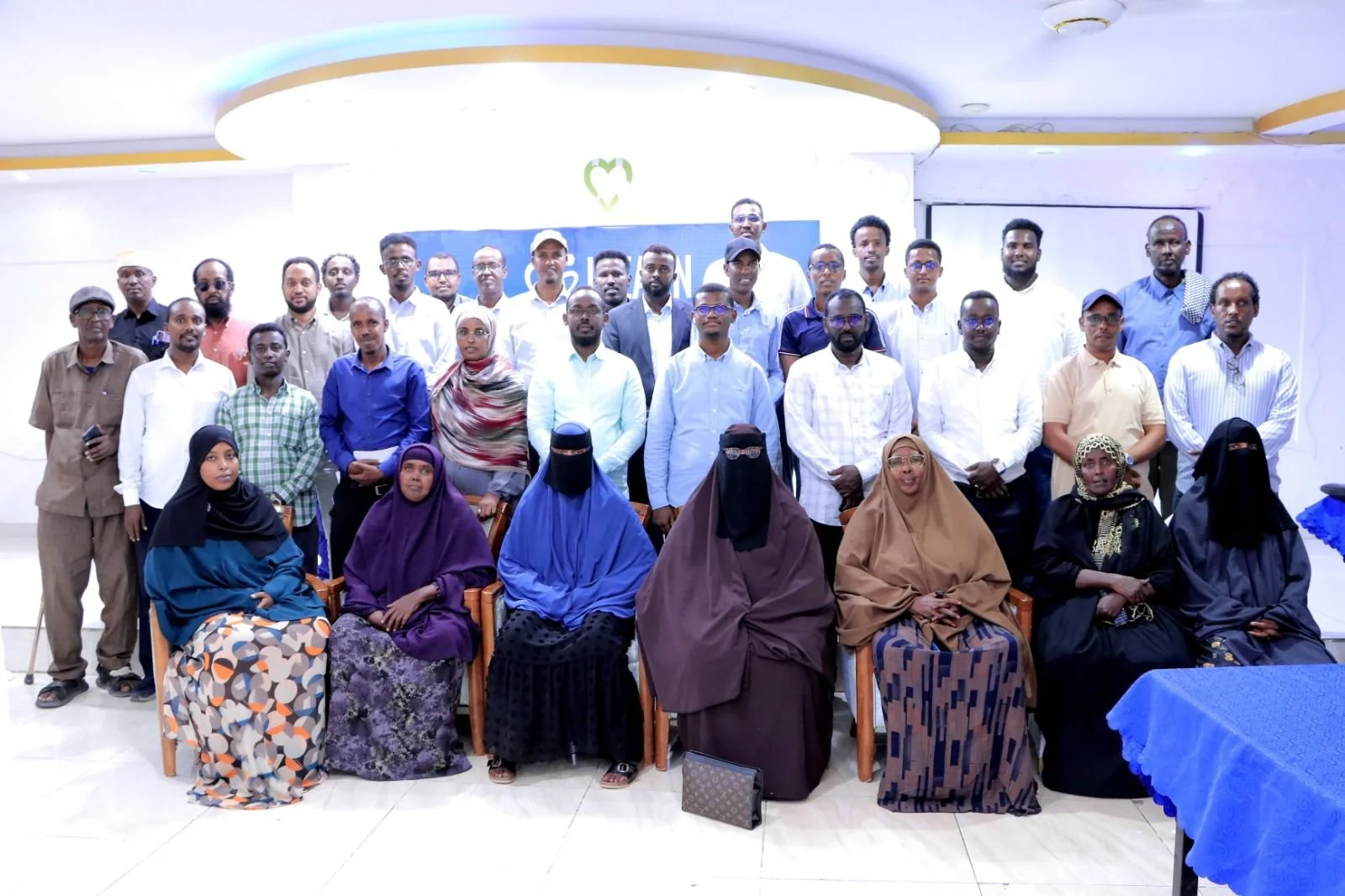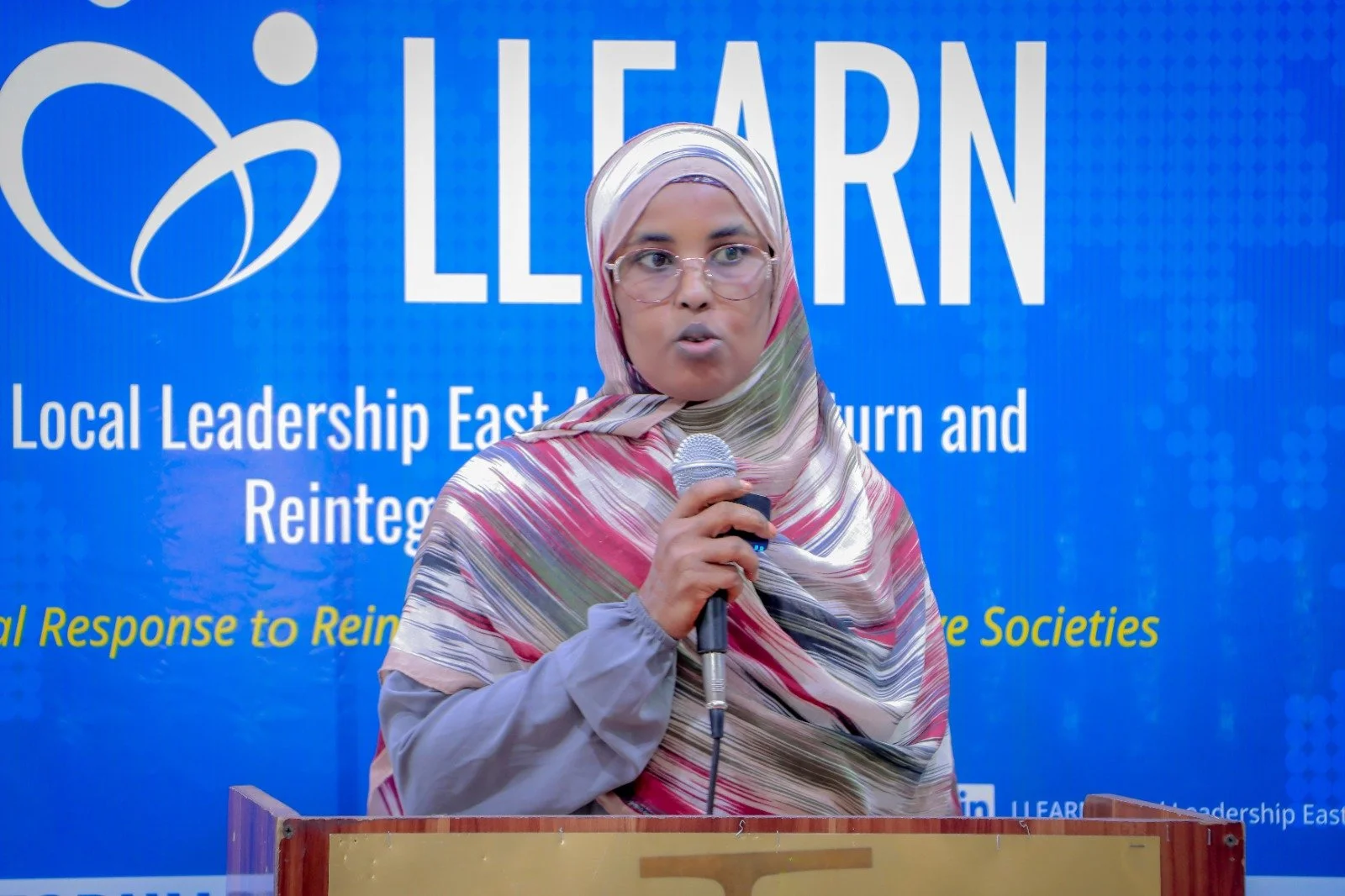

Our Participatory Forums, happening in three rounds in each city, are local-level gatherings designed for shared analysis, agenda-setting, and validating research with displaced and host communities. They bring together municipal authorities, community leaders, civil society, and returnees to:
Co-design city-level priorities and projects for reintegration.
Strengthen coordination between local governments and communities.
Identify livelihood opportunities across green, blue, and purple economies (environment, coastal, and care sectors).
Build inclusive dialogues on governance, socio-economic resilience, protection, and equality.
The third round of Participatory Forums focus on refining proposed solutions into concrete, locally owned project concepts, with clear commitments, roles, and pathways for implementation.
Scroll through some key insights below
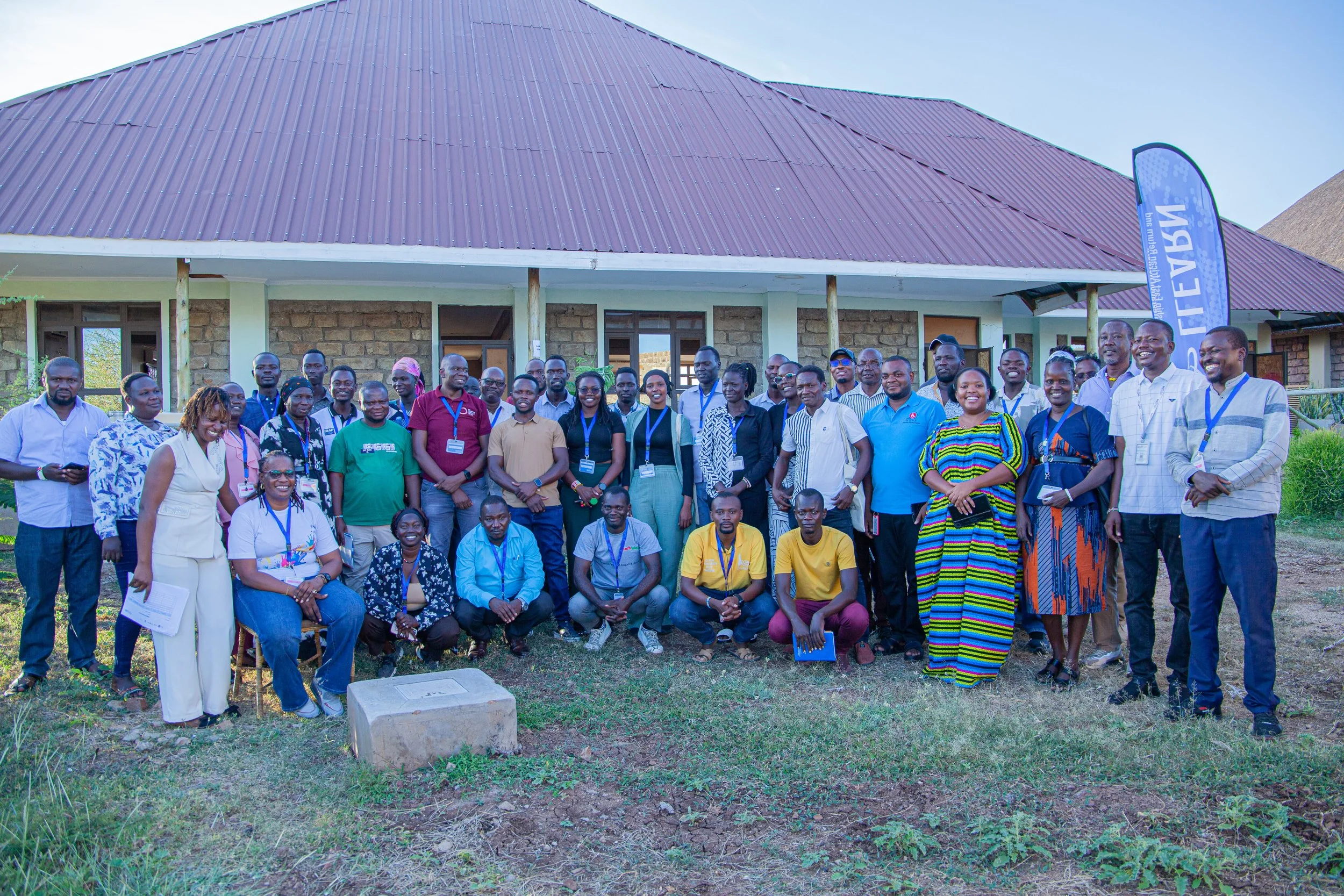
Group photo of PF3 participants in Kakuma/Kalobeyei Kenya. Credits: Youth Voices Community/Samuel Hall, 2026.
PF3: Kakuma, Kenya
June 2026
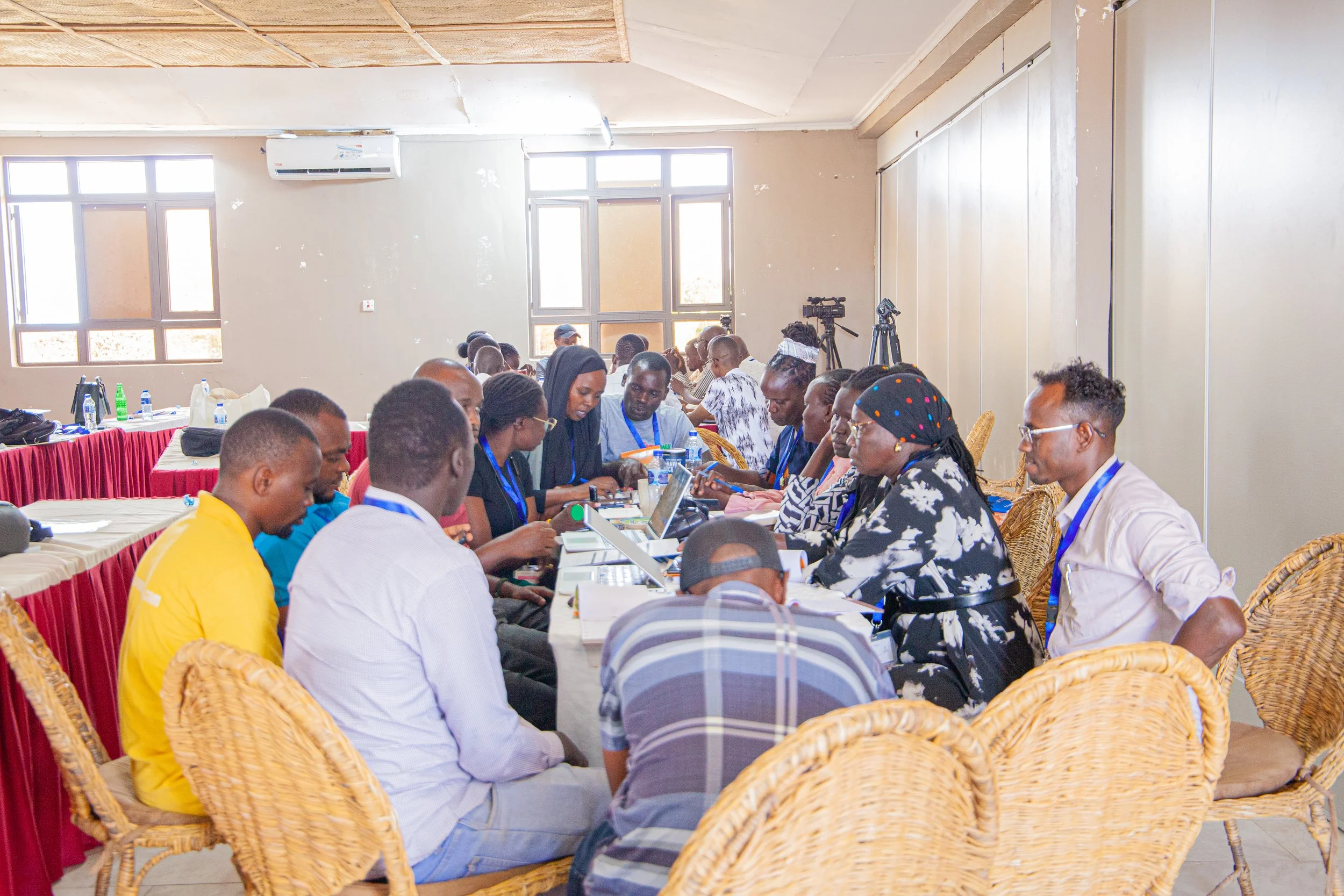
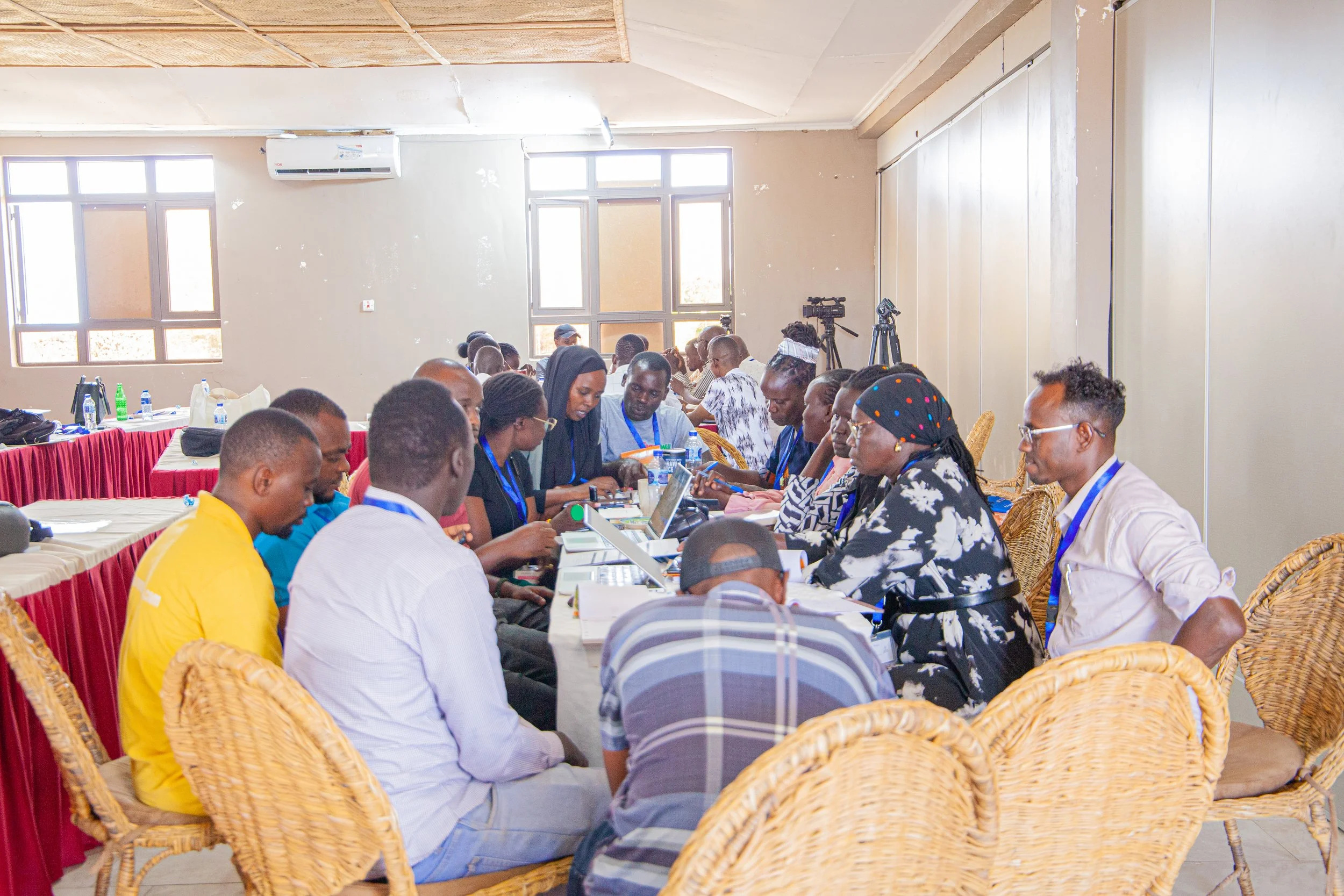
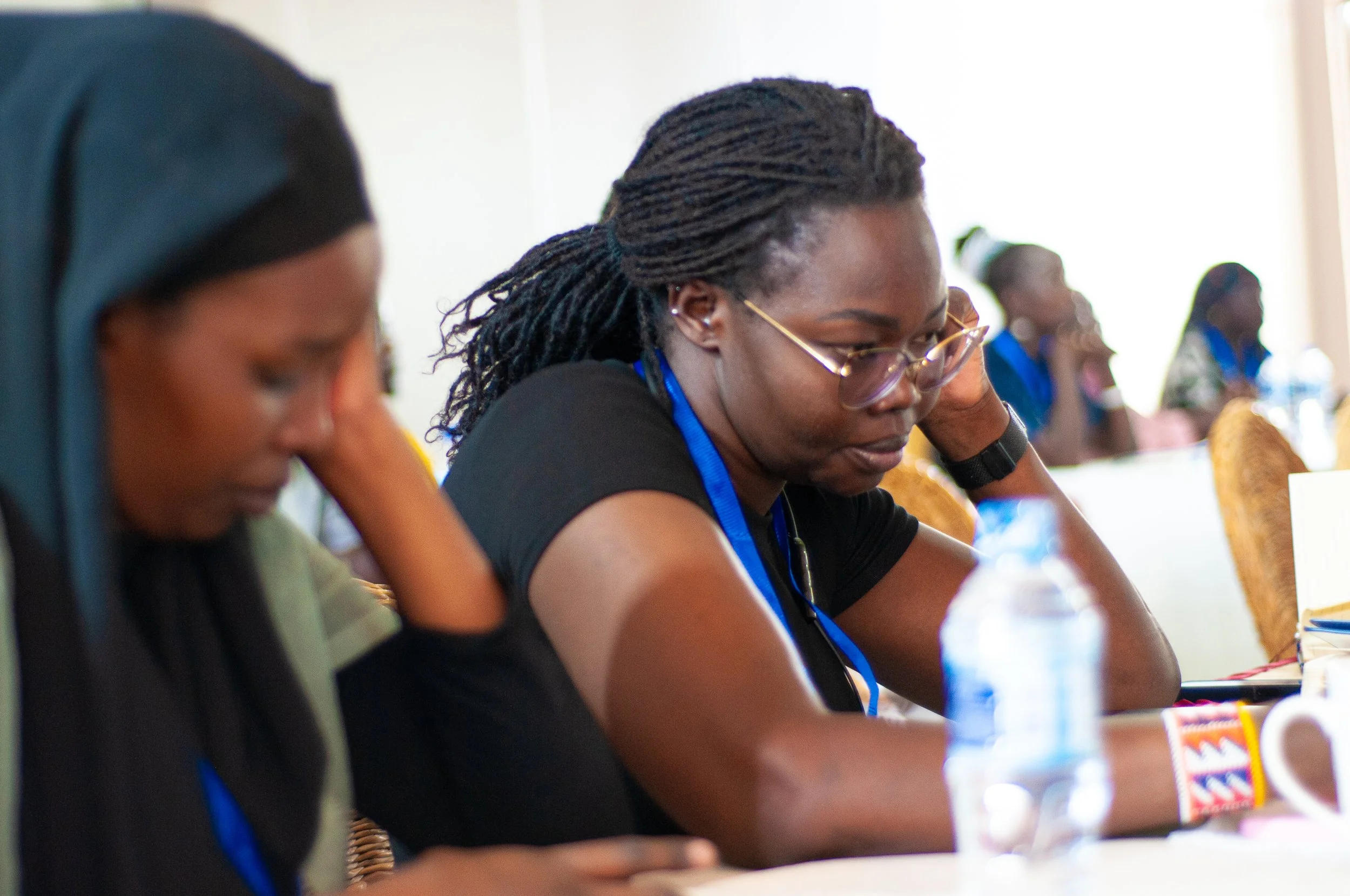
Community participation: In Kakuma, our partner Youth Voices Community (YVC) convened 52 participants for the second Participatory Forum, bringing together refugee-led organisations, community groups, government actors, private sector representatives, and development partners. Building on PF1, the forum created space for participants to move beyond identifying challenges and work in thematic groups to explore what practical solutions could look like across education and livelihoods, mobility and infrastructure, and basic services and living conditions.
Participant dialogue: Discussions centred on three proposed pilot initiatives: Documentation and Multilingual Advocacy, Career Clinic and Youth Livelihoods, and the Makao Bora Spatial Planning Initiative. Participants highlighted the importance of improving access to documentation and public services through stronger communication, community outreach, and closer collaboration between service providers and communities. Discussions on youth livelihoods focused on helping young people transition from education into employment by strengthening career guidance, skills development, and connections to labour market opportunities. Conversations around Makao Bora emphasised the need for more inclusive and participatory approaches to spatial planning, recognising that growing populations are placing increasing pressure on land, housing, and local infrastructure. Across all groups, participants moved beyond problem identification and worked towards defining concrete actions, roles, and partnerships needed for implementation.
Governance gaps and lessons for future forums: Discussions highlighted the importance of trust, coordination, and accountability in translating ideas into action. Participants identified ongoing tensions around documentation, access to services, and land allocation, but also demonstrated a strong willingness to collaborate across institutions and communities. Commitments from Kakuma Municipality, the Department of Refugee Services, and the National Police Service to support pilot activities reflected growing ownership of the process. The forum also revealed the value of bringing diverse stakeholders together in thematic groups, creating space for constructive dialogue even where perspectives differed. Reflections for future forums emphasised the need for stronger follow-up mechanisms, formalised partnerships, continued community engagement, and clear pathways for turning pilot concepts into implementable projects.
PF3: Ethiopia
June 2026
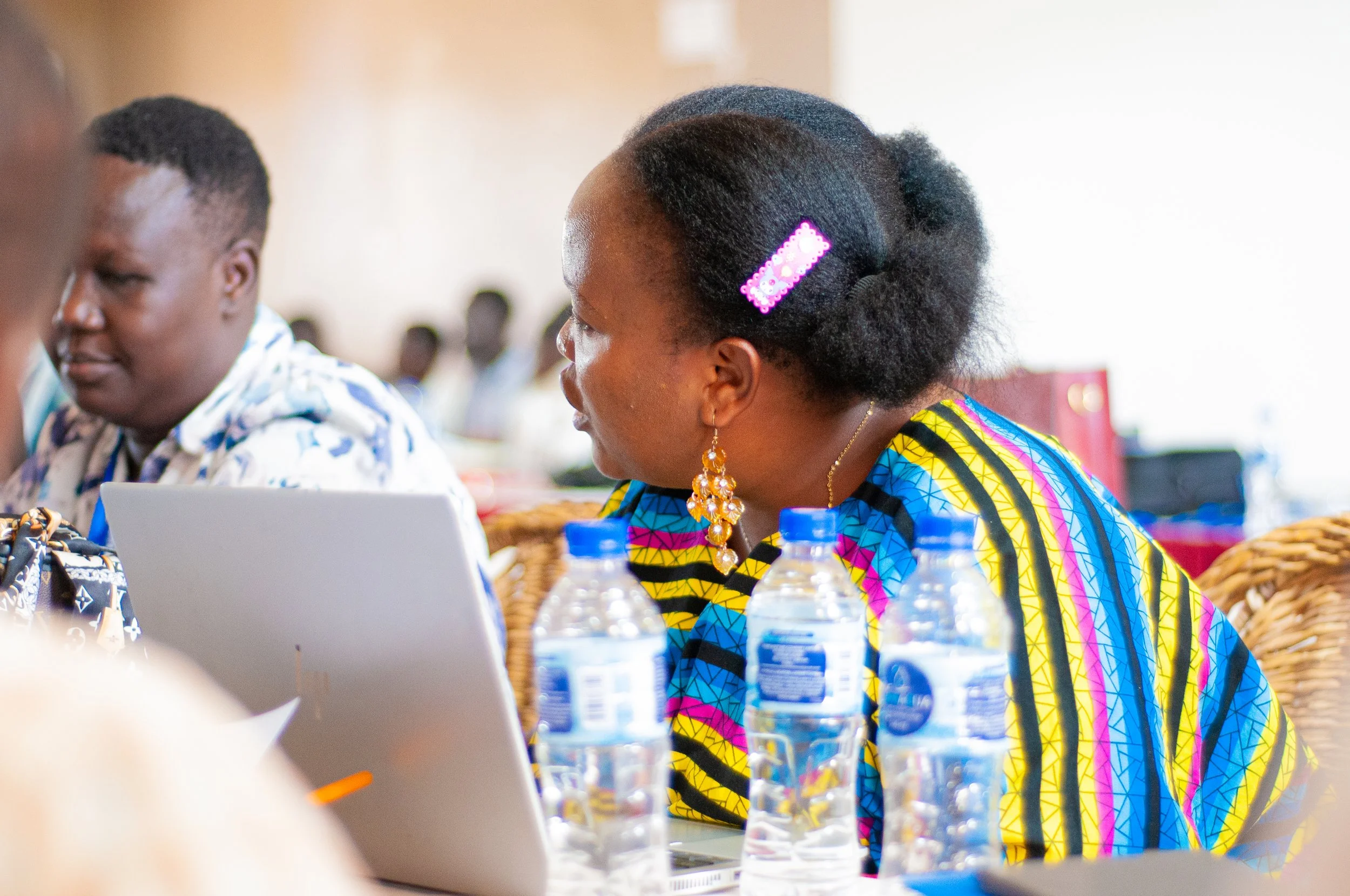
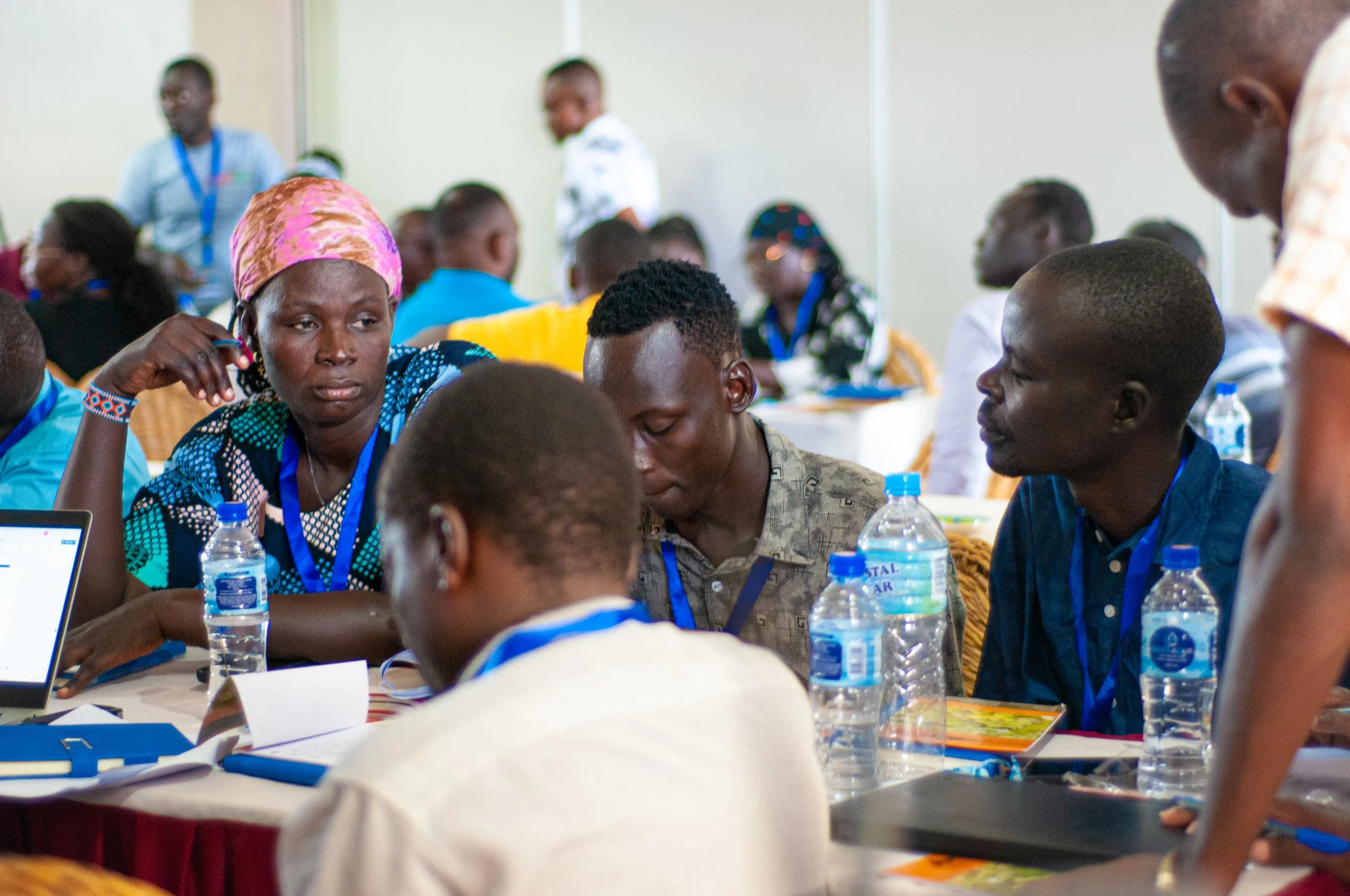
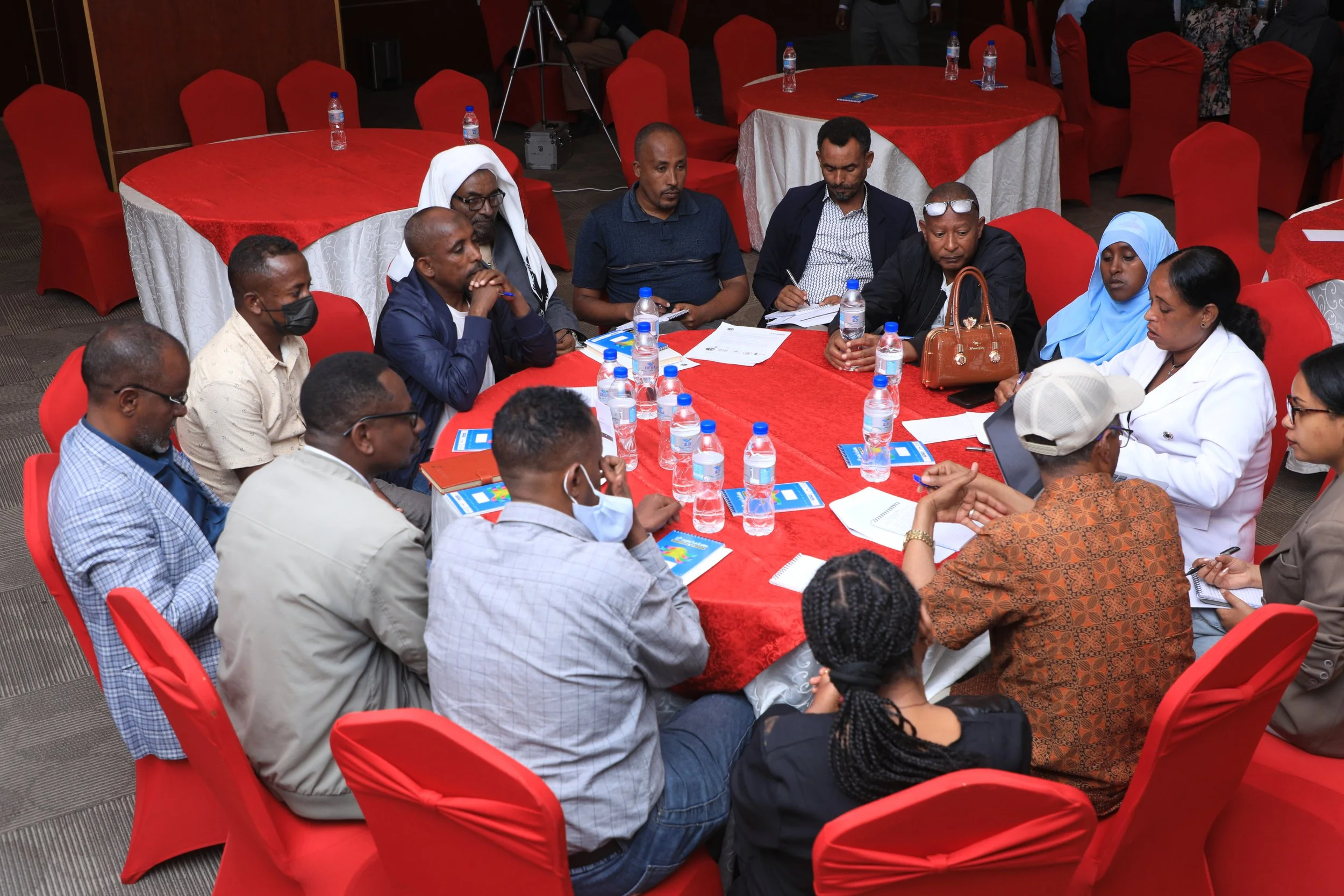
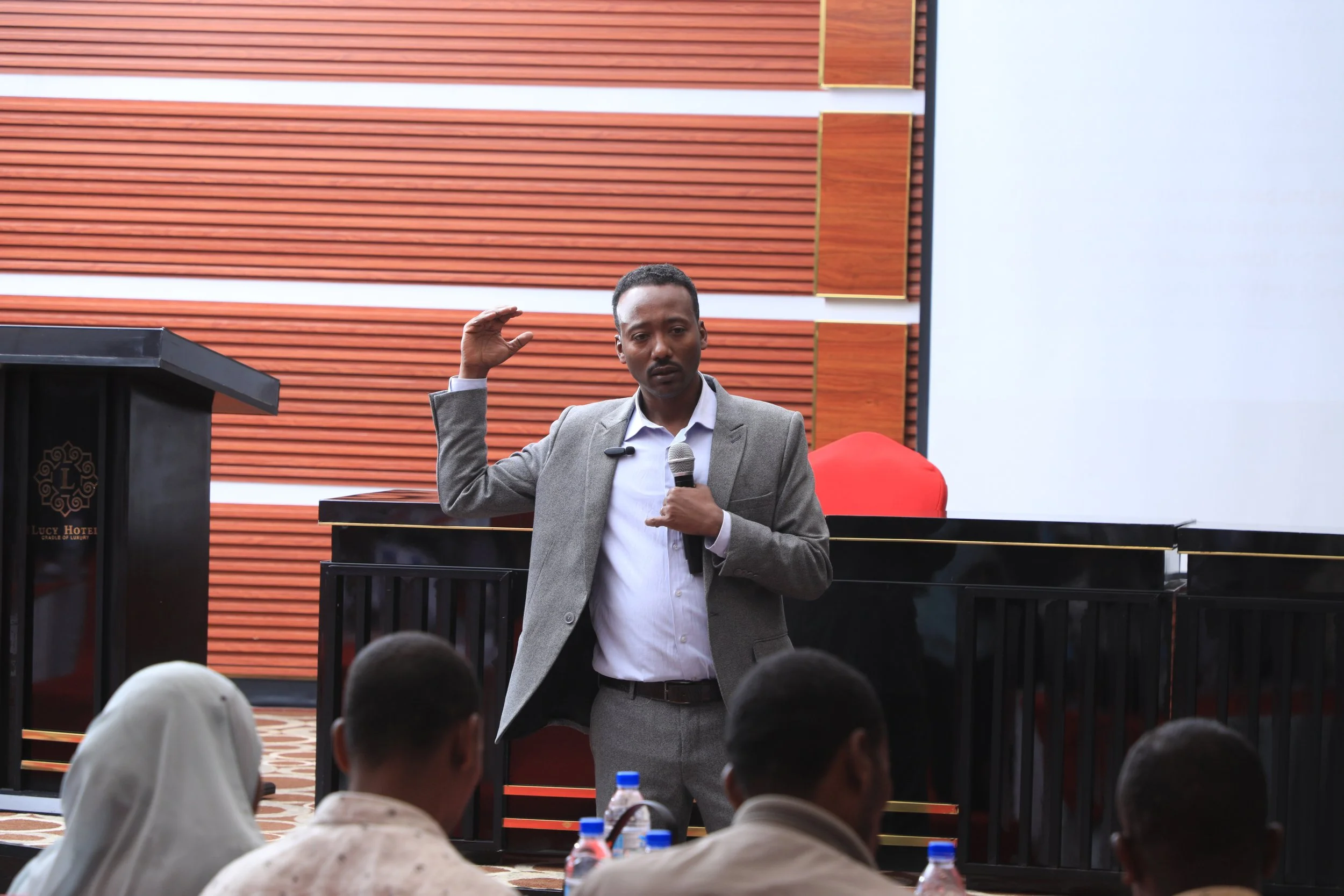
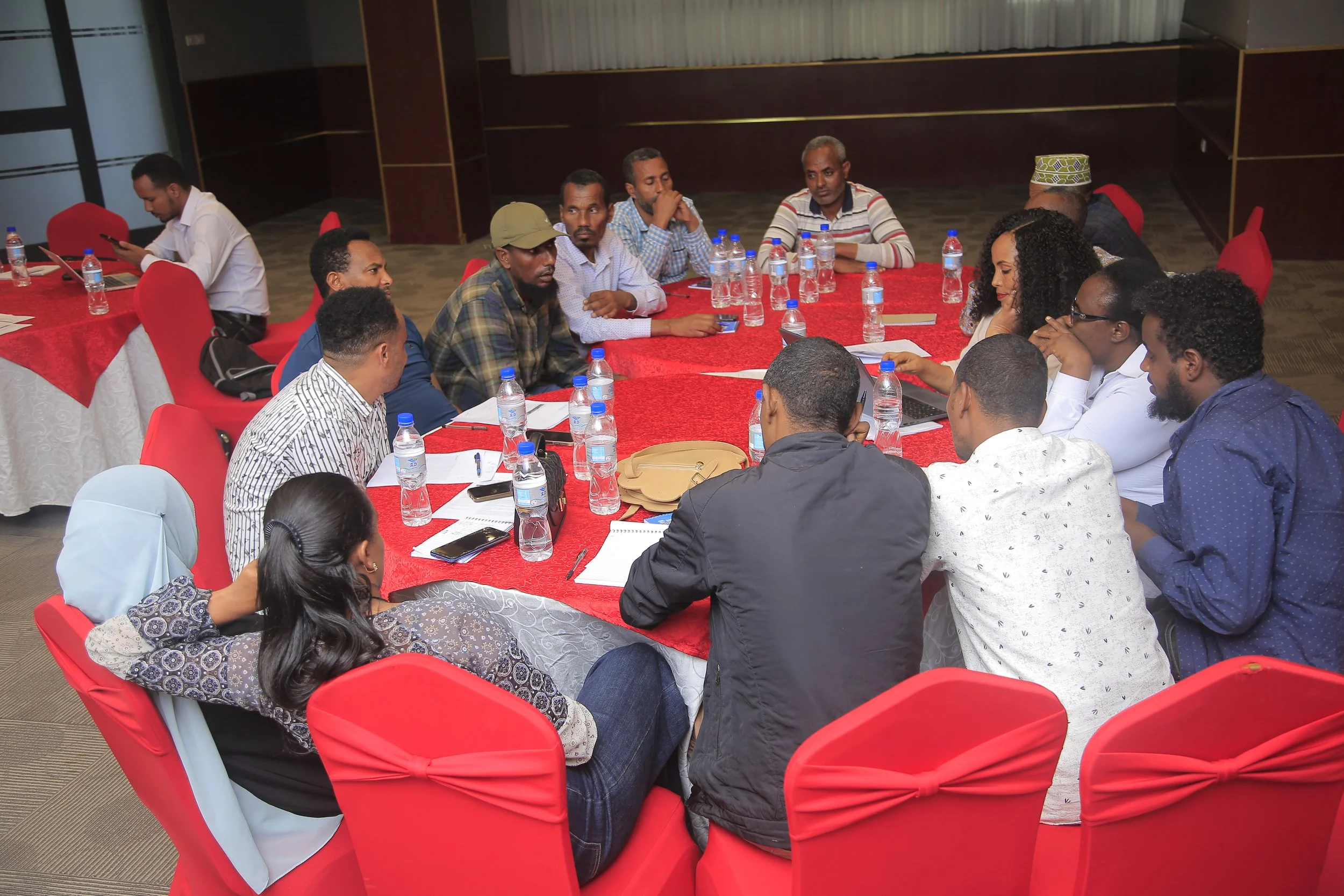
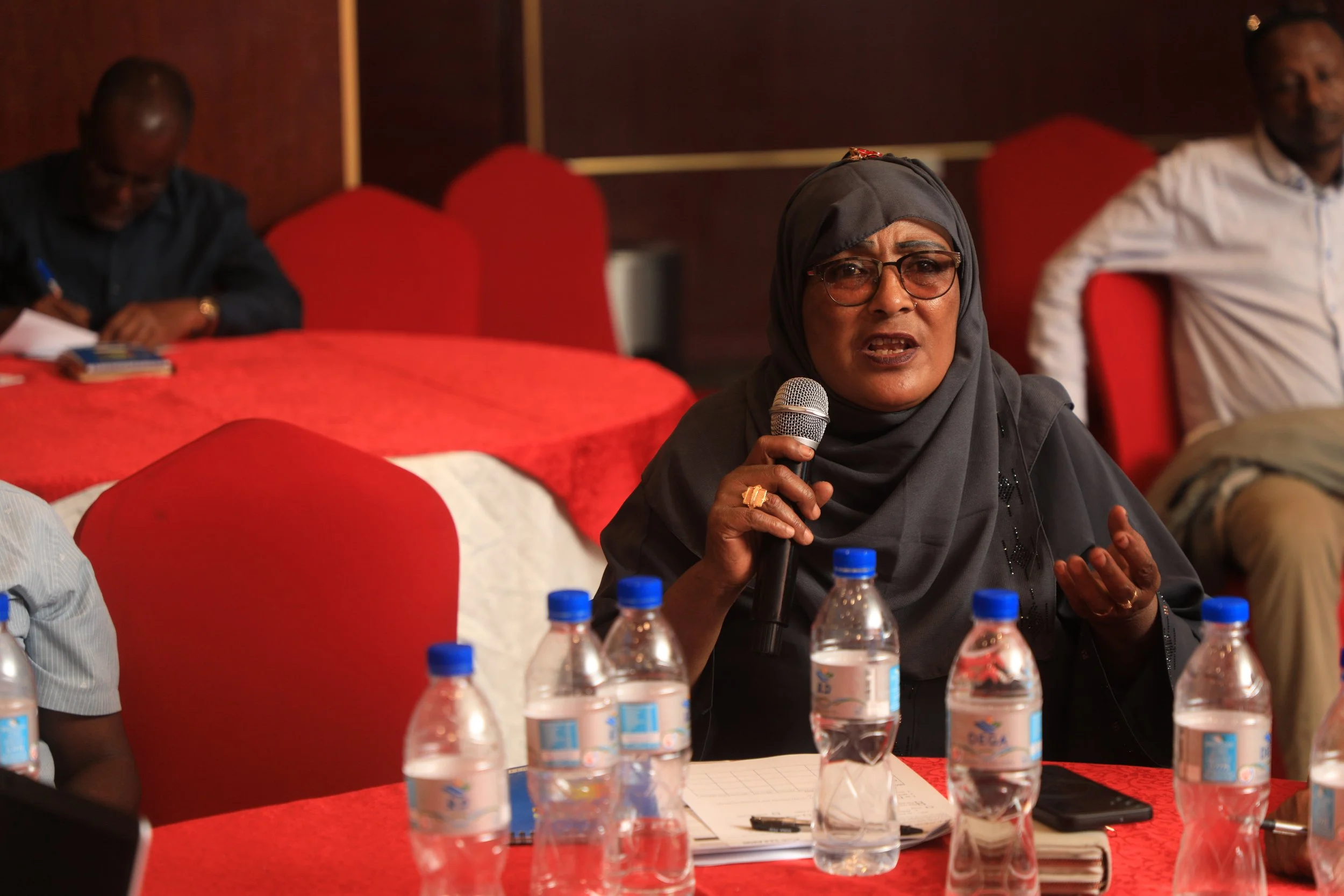
Community participation:In Dessie, Ethiopia, our partner convened the third Participatory Forum under LLEARN, bringing together government representatives, NGOs, INGOs, community leaders, religious leaders, internally displaced people (IDPs), returnees, and host community members. Building on PF1 and PF2, the forum focused on refining and finalising community-led project concepts, ensuring that the priorities identified throughout the participatory process were translated into practical proposals for action.
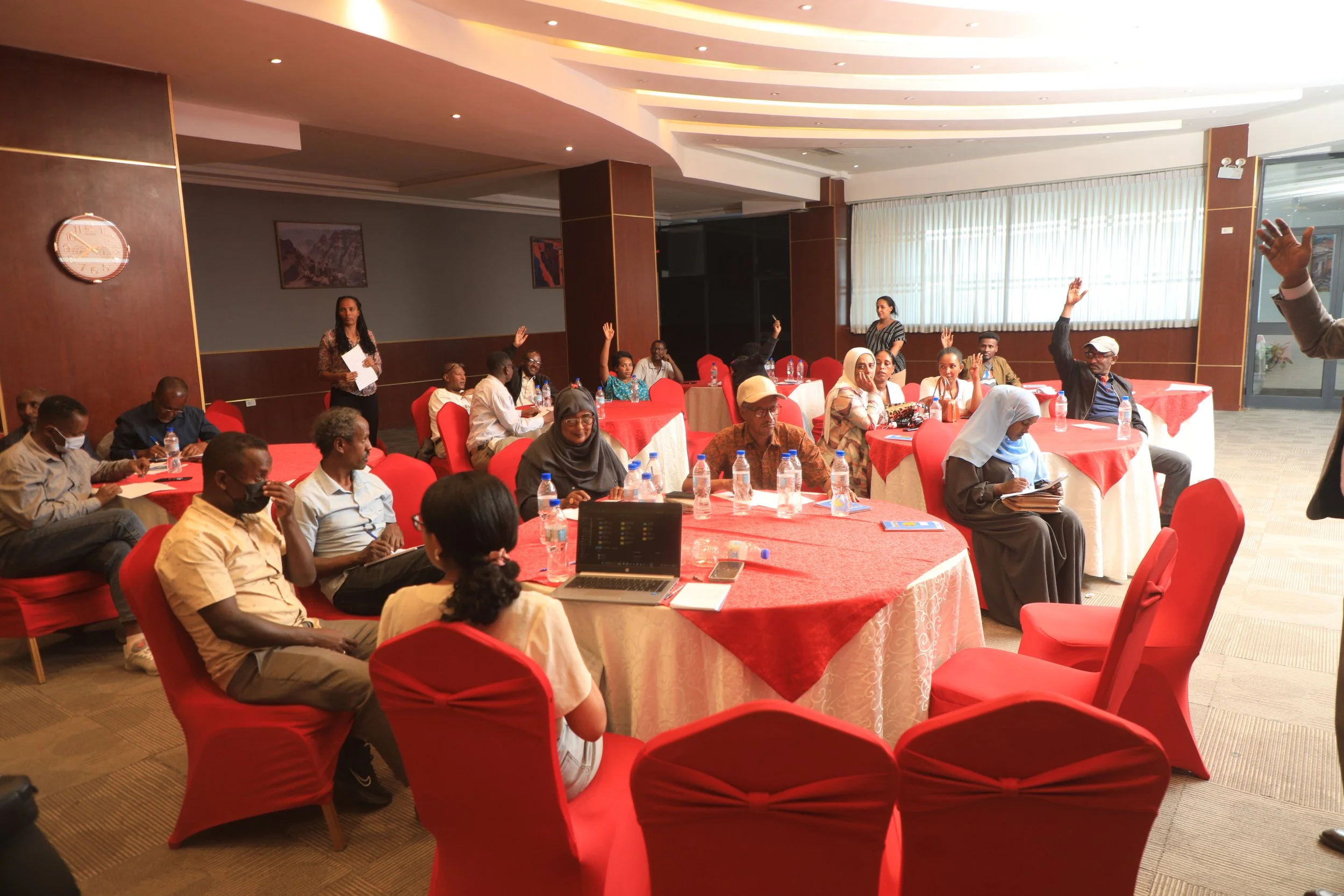
Participant dialogue: Participants worked in three groups to further develop concept notes around Food Security and Safe Shelter, Sustainable Livelihoods and Mental Health and Psychosocial Support (MHPSS), and Access to Documentation. Discussions explored the interconnections between economic recovery, wellbeing, protection, and access to services, while identifying practical interventions that could respond to the realities faced by displaced and host communities. Through the exchange of diverse perspectives and experiences, participants refined project ideas, identified implementation opportunities, and strengthened the relevance of proposed solutions to local needs.
Governance gaps and lessons for future forums: Discussions highlighted the importance of maintaining inclusive planning processes that bring together communities, local authorities, and service providers around shared priorities. Participants emphasised that sustainable solutions require stronger coordination across sectors and continued engagement with affected communities throughout implementation. The forum also demonstrated the value of participatory decision-making, culminating in a voting process through which participants collectively selected and prioritised one project concept for future implementation. Reflections from the forum reinforced the importance of community ownership, transparent decision-making, and ensuring that local voices continue to shape reintegration and development efforts moving forward.
PF3: Koboko, Uganda
June 2026
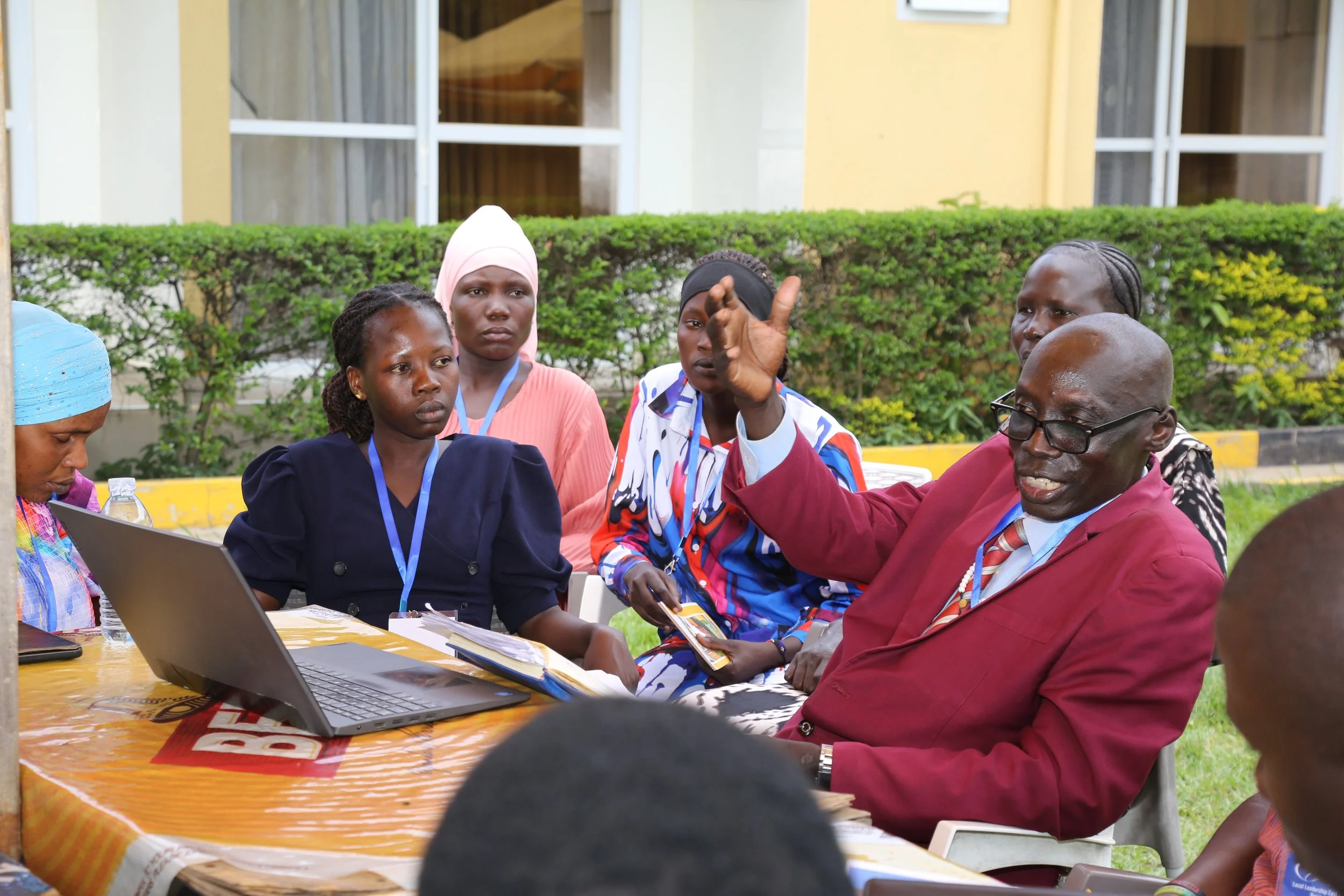
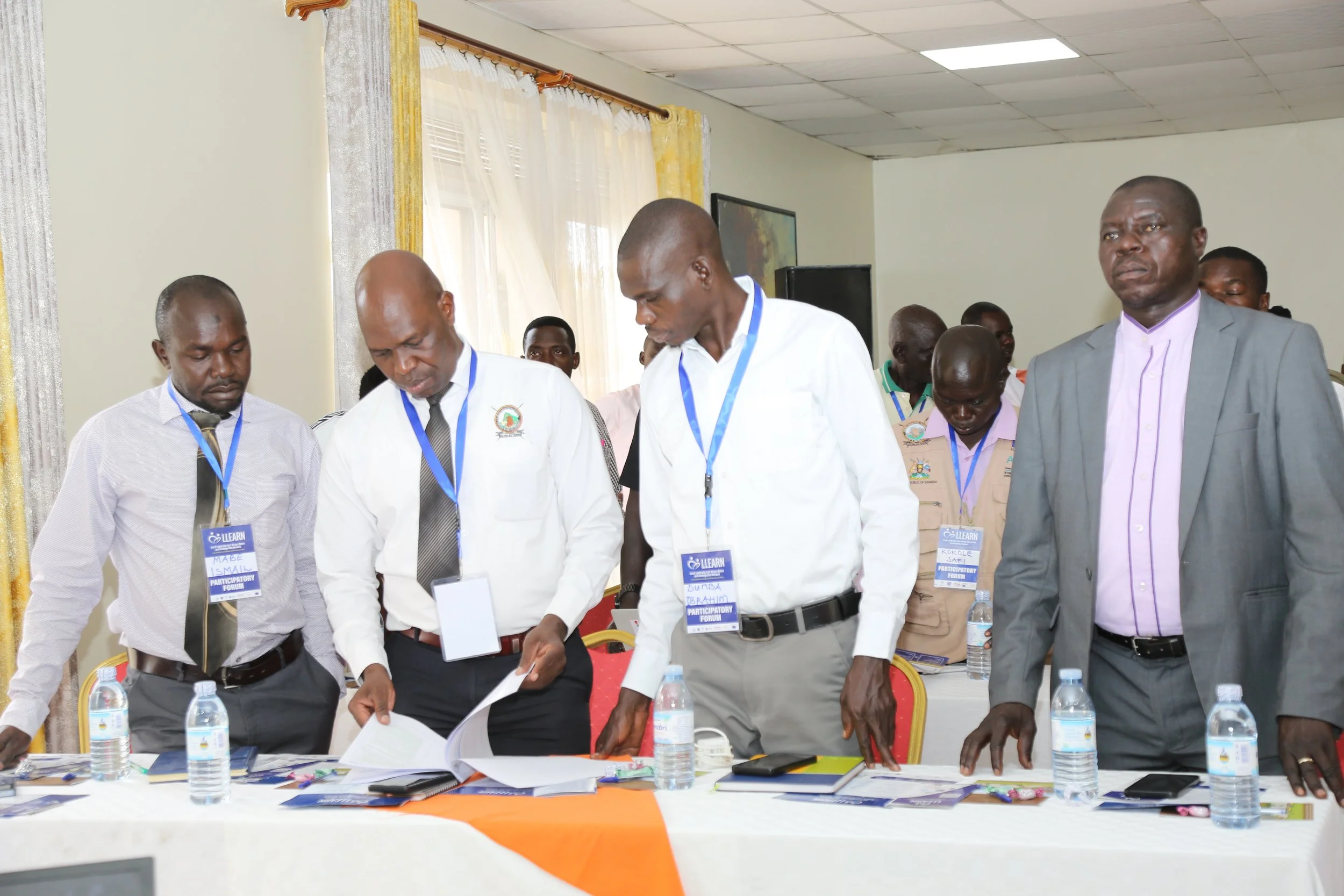
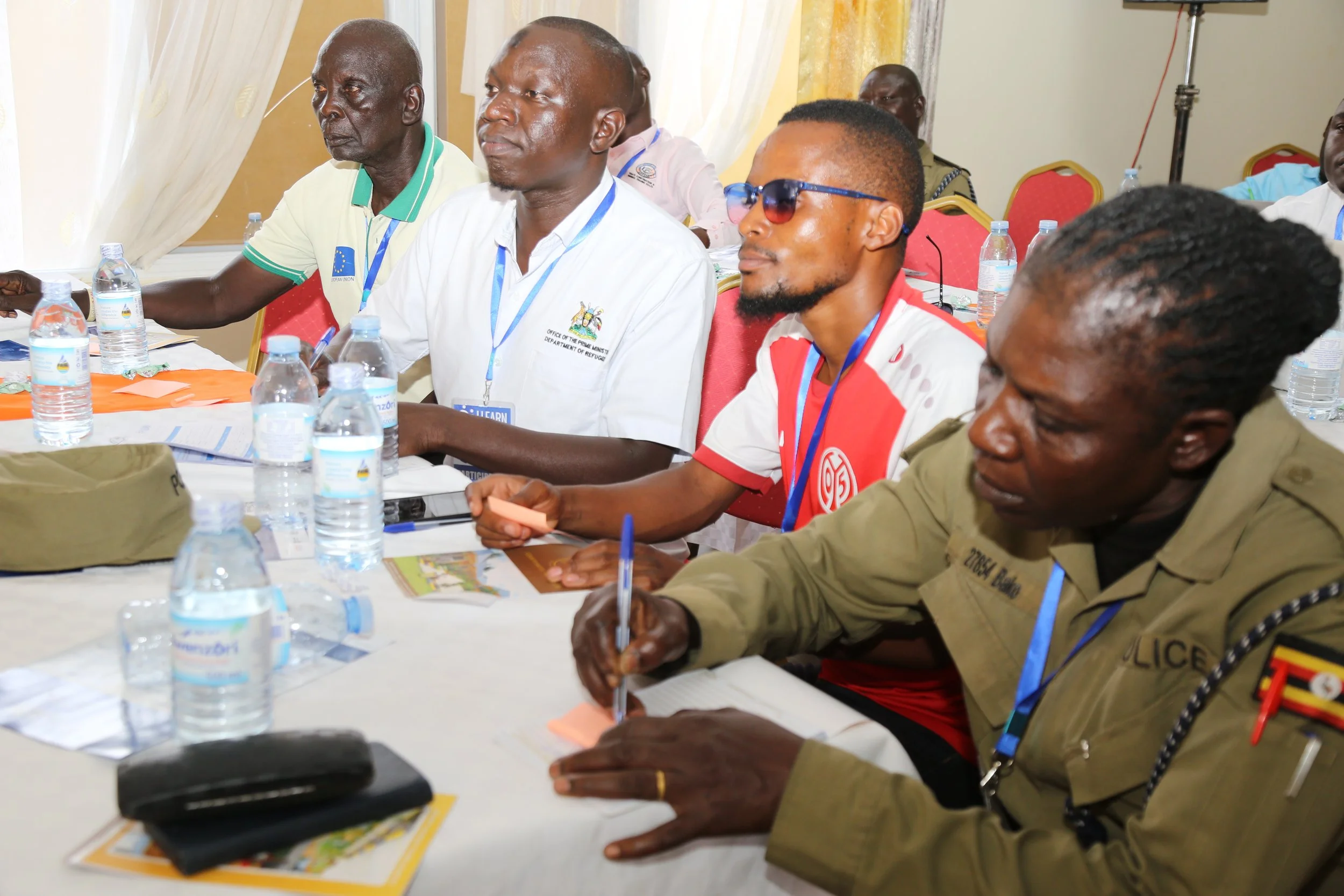
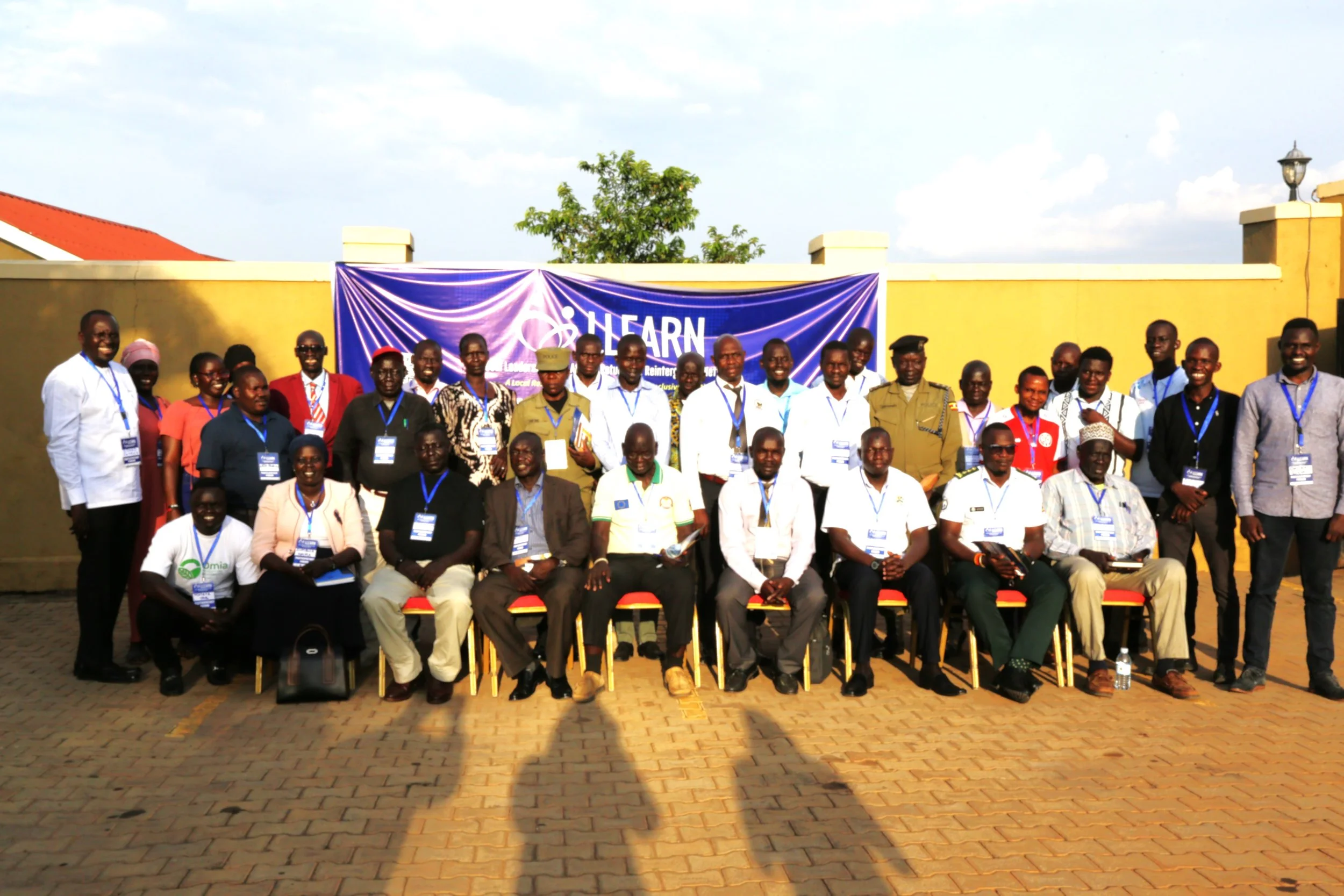
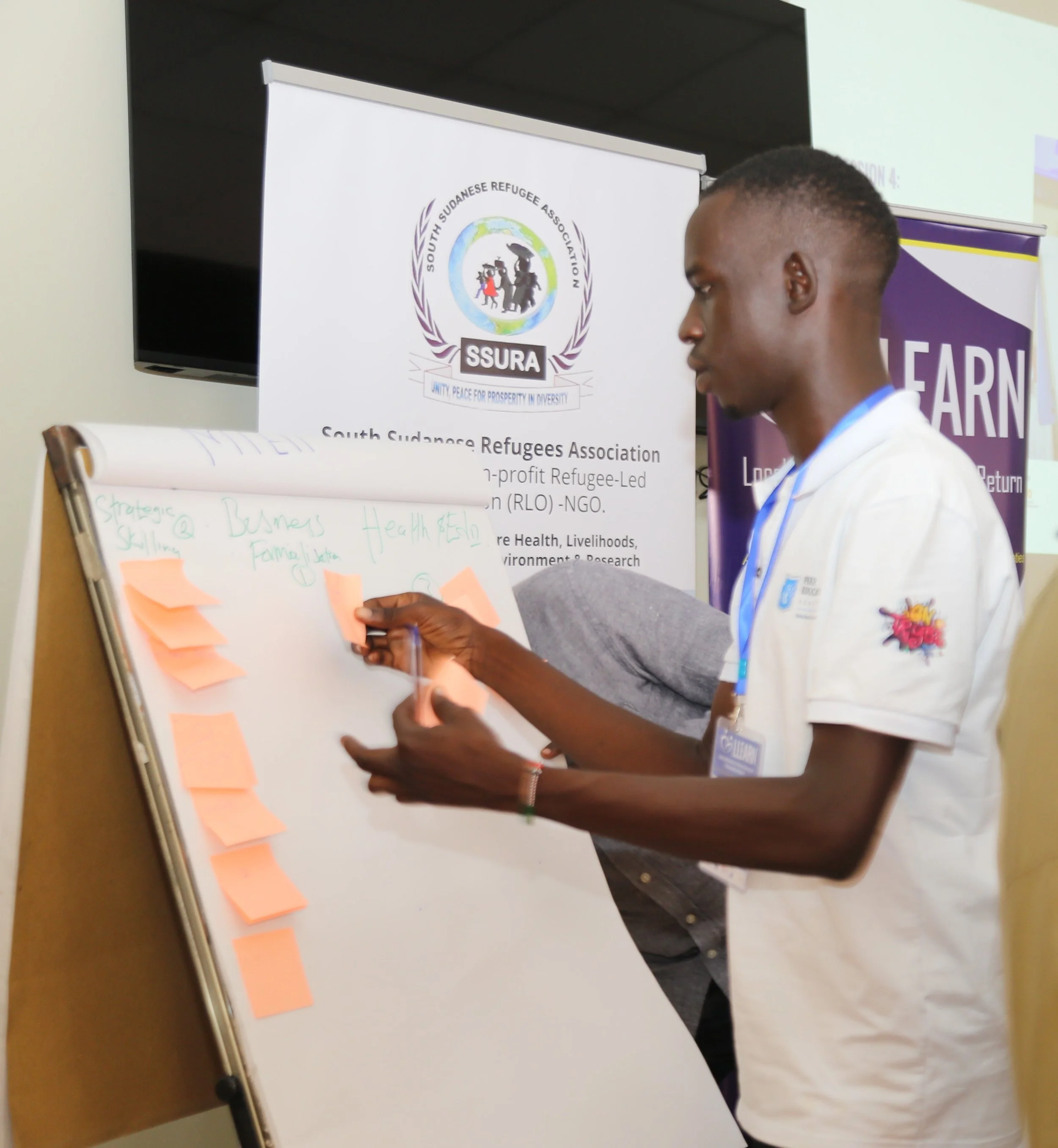
Community participation:In Koboko, Uganda, our partner South Sudanese Refugee Association (SSURA) convened 61 participants for the third Participatory Forum, bringing together local government, refugee and host communities, civil society, the private sector and technical institutions. Building on earlier forums, participants refined community-led project concepts and identified the partnerships needed to move them towards implementation.
Participant dialogue: Participants worked to strengthen proposals on strategic skilling, education and health, and business formalisation before selecting strategic skilling as the priority concept. Discussions emphasised integrating vocational training with entrepreneurship, business support and certification, while ensuring programmes are more inclusive of people with disabilities and better aligned with local labour market needs.
Governance gaps and lessons for future forums: Participants highlighted that meaningful participation should begin at the earliest stages of project design and that stronger collaboration between government, communities and technical partners is essential for successful implementation. The forum also demonstrated the value of participatory decision-making, with group discussions and voting helping build shared ownership of the final concept.
PF3: Aweil, South Sudan
June 2026
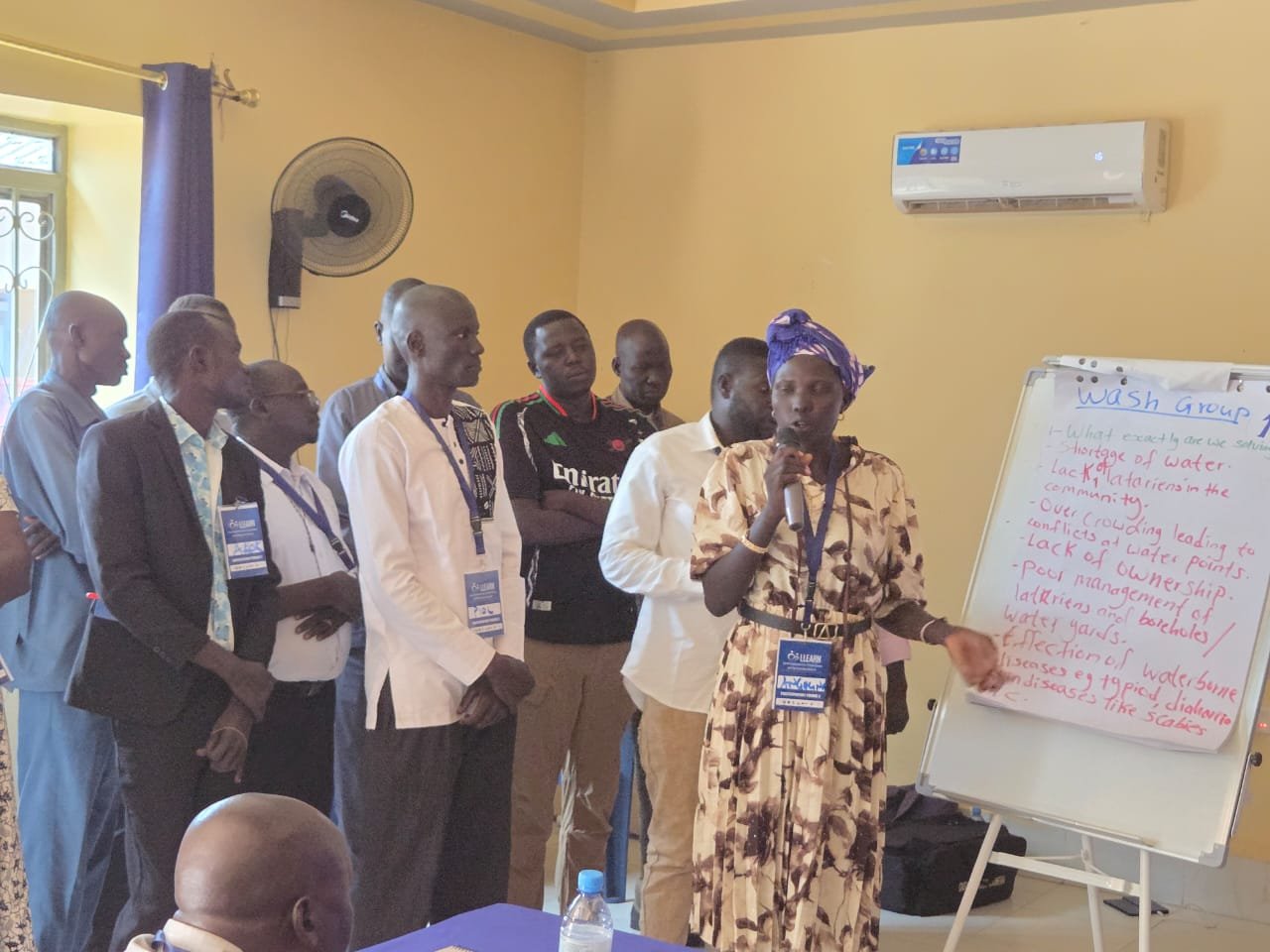
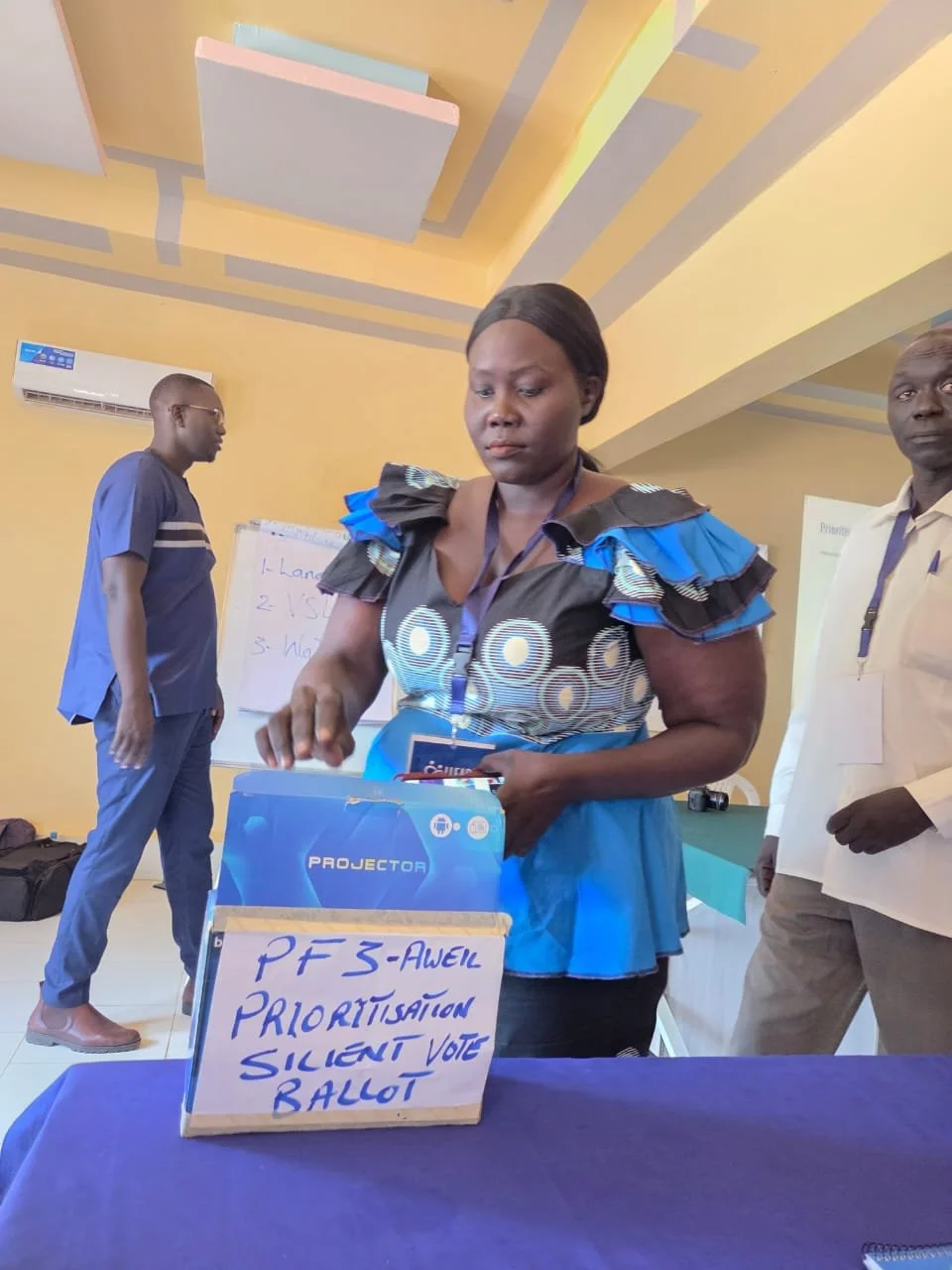
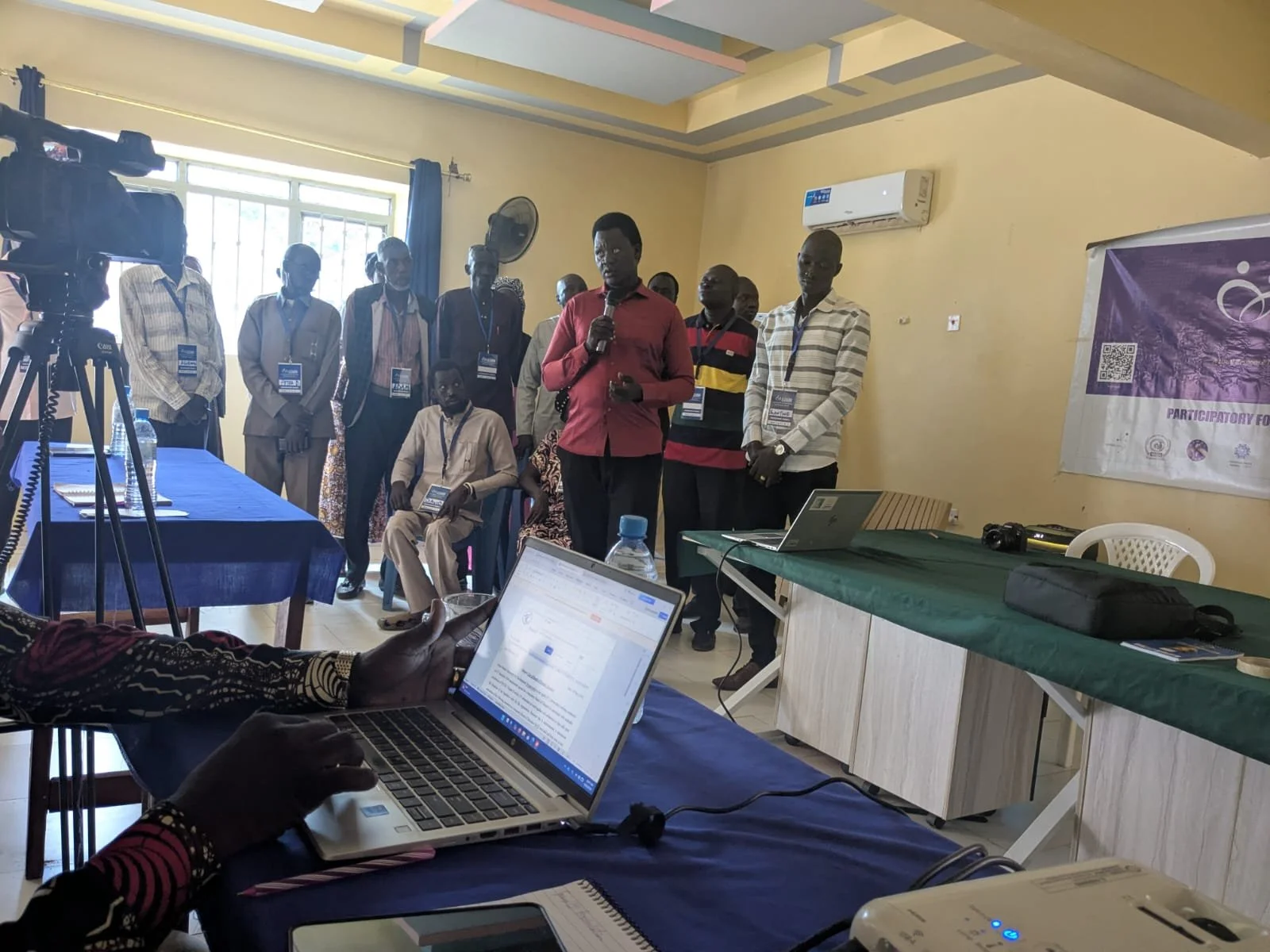
Community participation: In Aweil, South Sudan, our partner Bridge Network convened 61 participants for the third Participatory Forum, bringing together refugees, returnees, internally displaced people (IDPs), host community leaders, local government officials, the Relief and Rehabilitation Commission (RRC), the Commission for Refugee Affairs (CRA), and members of the organised forces. Building on previous forums, participants refined three community-led project concepts before selecting a priority intervention through a participatory voting process.
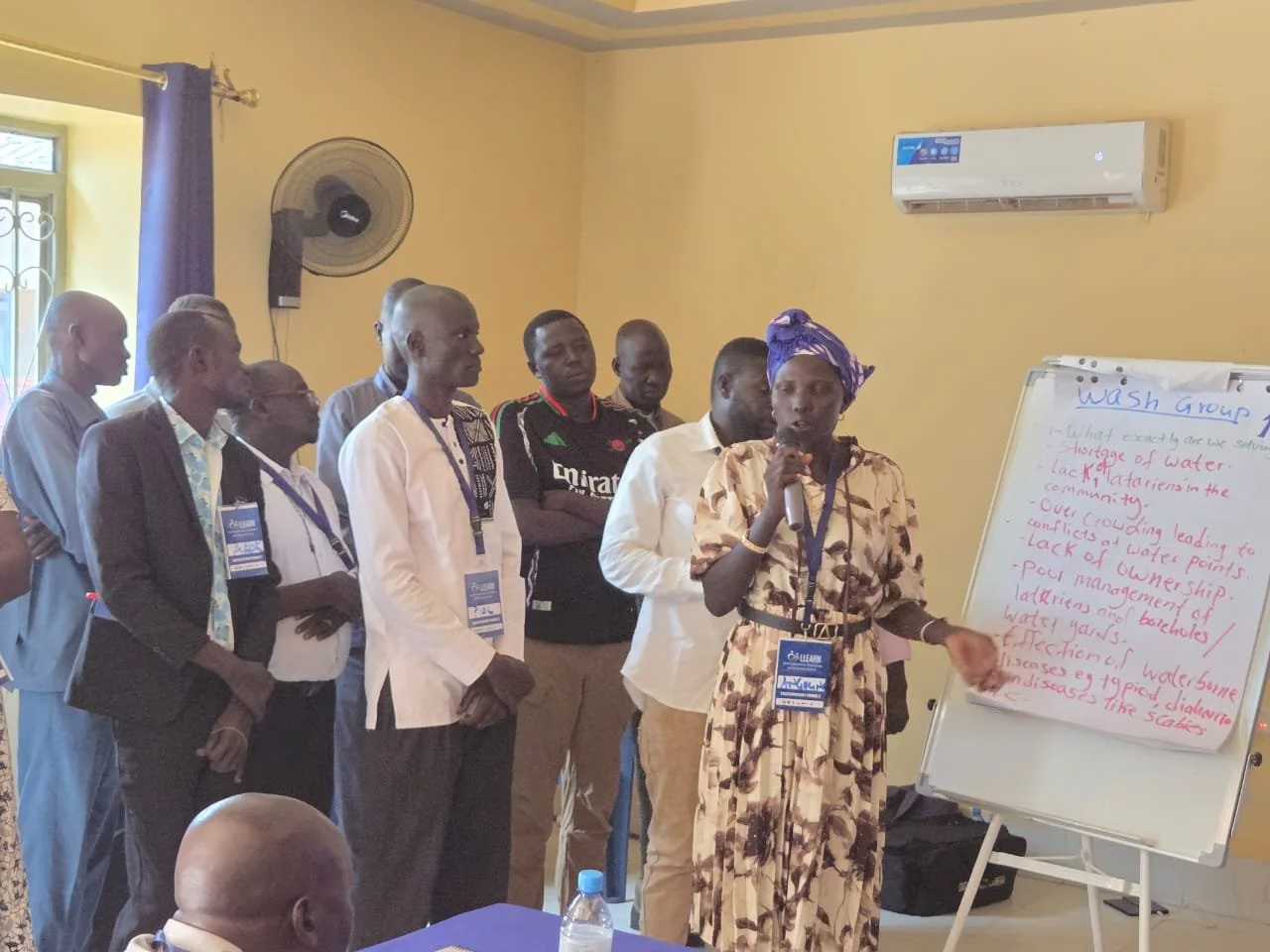
Participant dialogue:Participants developed and presented concepts on Land Documentation and Settlement Pathways, Women-Led VSLAs and Small Business Recovery, and Water Yard Upgrades. Following group discussions, participants assessed each proposal against criteria including relevance, feasibility, inclusivity and local ownership before voting. The Water Yard Upgrade concept emerged as the priority intervention and was subsequently validated and strengthened through plenary discussion.
Governance gaps and lessons for future forums:The forum demonstrated the value of transparent, participatory decision-making, with stakeholders collectively selecting and validating the final concept. Government representatives, NGOs, WASH actors, civil society organisations and community leaders committed to supporting implementation, coordination and mobilisation, reinforcing the importance of shared ownership in moving community priorities into action.
PF3: Bosaso, Somalia
June 2026
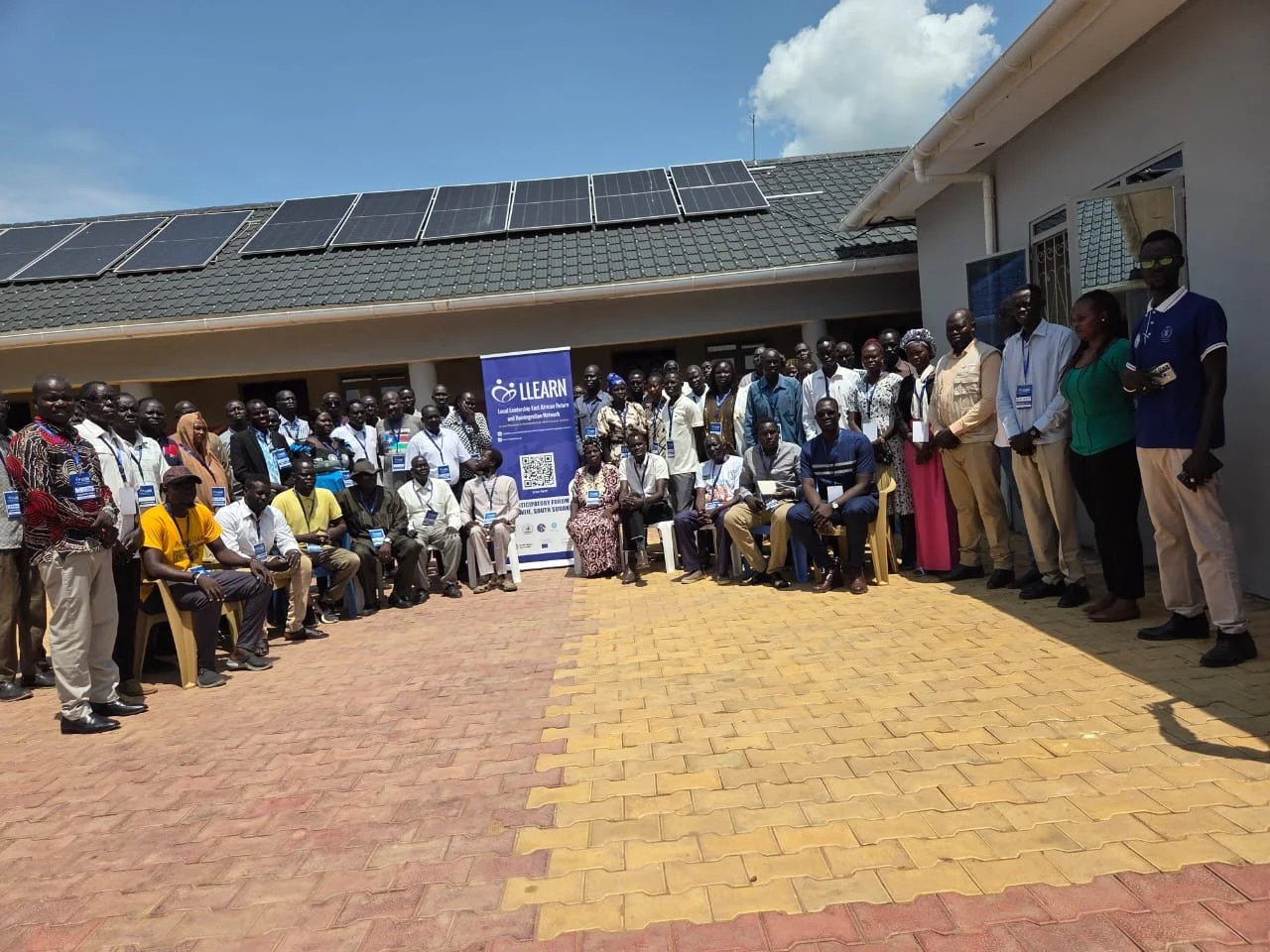
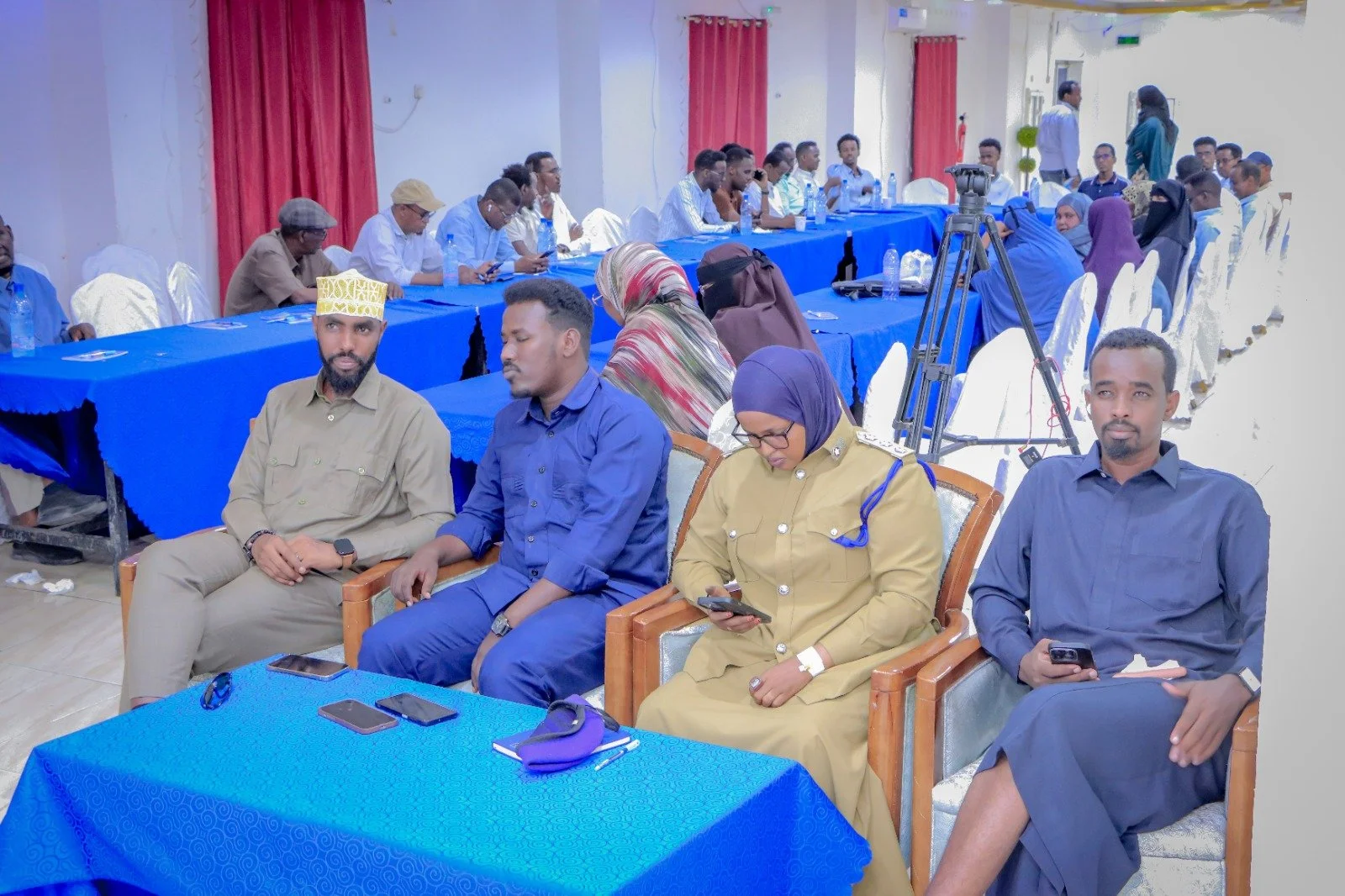
Community participation: In Bosaso, Somalia, our partner Tadamun Social Society (TASS) convened 50 participants for the third Participatory Forum, bringing together members of the Bosaso Local Council, traditional elders, the private sector, internally displaced people (IDPs), persons with disabilities (PWDs), minority groups and community representatives. Building on previous forums, participants refined three community-led project concepts and worked towards identifying the most feasible and impactful intervention.
Participant dialogue: Participants worked in thematic groups to further develop concepts on Land and Housing, Livelihoods, and Services. Rather than identifying challenges, discussions focused on how proposed interventions could be implemented in practice, the institutions and policies that could support delivery, and the roles different stakeholders could play. Across all themes, participants emphasised the importance of building on existing municipal systems, community structures and partnerships to ensure locally led and sustainable solutions.
Governance gaps and lessons for future forums: Following a participatory voting process, the Services concept was selected as the highest priority for future action, reflecting broad agreement that improving access to basic services is fundamental to successful reintegration and urban inclusion. The forum reinforced the value of inclusive participation, bringing together diverse perspectives to develop practical, community-owned concepts that can guide future programming and resource mobilisation.